
Table of Contents
Why Cuenca is becoming the global capital of dental tourism
If you are weighing the cost of veneers, crowns or dental implants against your budget, Cuenca deserves a top spot on your list. This UNESCO World Heritage city combines dramatic cost savings with top-level dental care, modern clinics and an unbeatable recovery environment. For many patients from the United States, Canada and Europe, Cuenca has emerged as the best-value option for cosmetic and restorative dentistry without sacrificing quality.
Massive savings without compromise
The primary draw is simple: dramatic cost savings. Patients commonly report paying 60 to 70 percent less in Cuenca than in the United States or Canada for the same procedures. That makes life-changing treatments like full-arch implants or full-mouth veneer cases attainable for a fraction of the cost. For example, a porcelain veneer that might run a thousand dollars or more per tooth in North America can often be produced and placed in Cuenca for a few hundred dollars per tooth, depending on materials and complexity. Crowns and implants show similar differentials, delivering massive overall value.
World-class training and international standards
Cost savings in Cuenca do not mean lower standards. Many Cuenca dentists trained at Ecuador’s top dental schools and completed postgraduate residencies and specialty courses regionally and internationally. It is common to find clinicians who have taken advanced training in implantology, prosthodontics and cosmetic dentistry in countries such as Spain, the United States and Argentina. Clinics in Cuenca adhere to modern infection control protocols, use digital diagnostics and often maintain affiliations with international dental organizations.
Cutting-edge clinic technology
Clinics in Cuenca are outfitted with contemporary equipment you would expect in major cities: digital x-rays and CBCT imaging for precise implant planning, intraoral scanners and CAD/CAM systems for same-day provisional crowns, and laboratory partnerships that use high-quality ceramics such as lithium disilicate and zirconia. Many practices offer 3D treatment planning, guided-surgery for implants and on-site milling for faster turnaround — technology that translates into predictable results and shorter visits.
Short waits and highly personalized care
One of the most overlooked advantages of choosing Cuenca is the speed and personalization of care. Unlike waiting months for an appointment in large metropolitan areas, patients in Cuenca typically secure consultations and start treatments within days. Clinics emphasize one-on-one attention and patient education, spending time to explain treatment options and follow-up. Many dental teams include bilingual coordinators who guide scheduling, transport and aftercare, making the process smooth for international patients.
The recovery environment: heal where others vacation
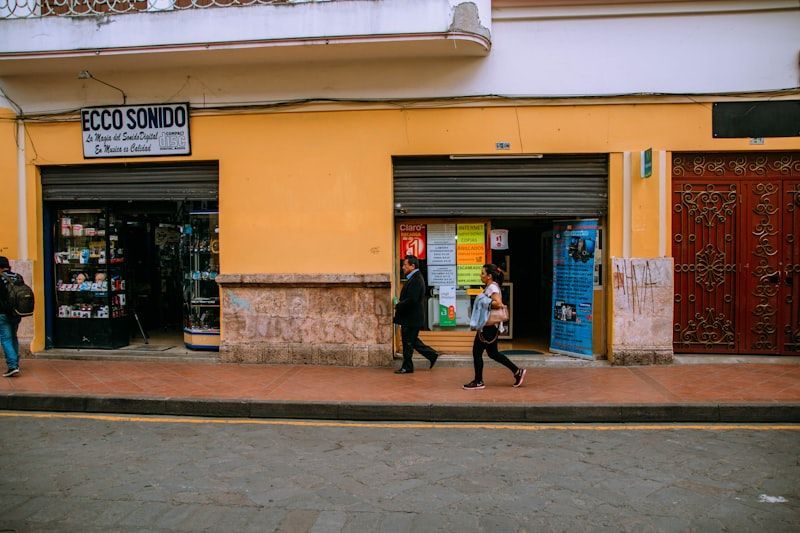
Cuenca is not just practical — it is pleasant. The city sits at about 2,500 meters elevation and enjoys a temperate climate often described as eternal spring. The historic center with its cobblestone streets, flower-lined balconies and riverside walks creates a calm, restorative atmosphere ideal for dental recovery. Imagine recuperating from a veneer prep or implant placement with stunning views at Parque Calderon, quiet walks along the Tomebamba River or a short day trip to the dramatic Andean landscapes of Cajas National Park. The gentle pace and low-stress environment speed healing and improve the overall dental vacation experience.
Plan a dental vacation: realistic timelines and itineraries
One of the attractions of dental tourism is the ability to combine high-quality care with travel. Here is a practical timeline for common procedures that illustrates how to structure a trip:
- Veneers or crowns: Initial consult and imaging on day one, tooth preparation and temporaries on day two, final placement in 1 to 2 weeks after lab work. Many patients split this into a 10 to 14 day stay and schedule local sightseeing and gentle activities while the lab fabricates final restorations.
- Single implants: Consultation and CBCT on day one, implant placement a few days later, short convalescence, then return to your home for the healing period. Final abutment and crown are placed after osseointegration, often arranged with local coordination or a follow-up trip.
- Full-arch or complex cases: Many clinics offer staged plans with initial surgical work followed by a guided recovery in Cuenca, then prosthetic phases after healing. Some practices provide temporary solutions so you can travel home comfortably while the lab finishes the final prosthetics.
Clinics often help design an itinerary that balances appointments with sightseeing, spa visits and gentle outdoor activities.
Quality materials and long-term value
When evaluating options, ask about the materials and implant systems used. Many Cuenca clinics use high-grade ceramics and proven implant systems sourced from internationally reputable manufacturers. The long-term value of savings is clear when you consider not only the initial fee but that many clinics offer warranties, documented lab work and meticulous case records to support long-term maintenance. For patients who would otherwise delay treatment due to cost, Cuenca provides an affordable pathway to durable oral rehabilitation.
How to choose the right clinic in Cuenca
Finding a trustworthy practice is straightforward if you know what to look for. Start with the basics: online reviews, before-and-after photos, and the dentist’s documented training. Reputable clinics will provide digital case documentation, a clear treatment plan with itemized costs and timeframe, and references from international patients. Confirm what technology they use for imaging and prosthetic fabrication. Ask about bilingual staff, aftercare support, and whether they arrange transfers or accommodation. Many clinics will offer a free preliminary video consultation to review your case before you book a flight.
Practical travel and stay tips
Cuenca is served by Mariscal Lamar Airport for regional flights, but most international travelers connect through Quito or Guayaquil and take a short domestic flight or a scenic 3 to 4 hour bus ride. Many nationalities receive a 90-day tourist visa on arrival; check current entry rules for your country in advance. Accommodation ranges from affordable guesthouses and Airbnb apartments to boutique hotels in the historic center, many within walking distance of dental clinics. Local taxis are inexpensive and clinics frequently provide pickup and drop-off.
Language, safety and comfort
Spanish is the predominant language, but many dentists and clinic staff speak English and have experience working with international patients. Cuenca is widely regarded as one of Ecuador’s safest cities with a relaxed, expatriate-friendly vibe. As always, follow standard travel precautions, secure travel insurance that covers medical and dental procedures, and plan to bring any required medications or special dental supplies you prefer.
Questions to ask before you commit
Before booking, get clear answers to these essential questions:
- Can you provide a written treatment plan with an itemized cost estimate and timeline?
- Which materials and implant systems will you use, and can you document their brand and warranty?
- Do you offer digital imaging and guided-surgery planning for implants?
- Who will be responsible for my follow-up care once I return home?
- Is there a dental coordinator who speaks my language and assists with travel logistics?
- What are the clinic’s sterilization and infection control protocols?
Aftercare and long-term maintenance
Once your veneers, crowns or implants are placed, follow-up care is crucial. Cuenca clinics typically provide detailed aftercare instructions and a window for early follow-up checks. For implants, follow your dentist’s protocols for oral hygiene and periodic reviews. Many patients maintain contact with their Cuenca dentist via email or telemedicine for long-term support. When you return home, coordinate with your local dentist to ensure continuity of care and routine maintenance.
Real patient experiences and peace of mind
Patients who travel to Cuenca for veneers and implants often praise the combination of affordability, technical skill and a warm, personalized patient experience. Beyond the numbers, many say the peace of mind that comes from careful planning, clear communication and the restorative power of a beautiful city made the procedure feel like a real dental vacation rather than a medical errand.
Final thoughts: value, quality and a restorative getaway
For travelers looking to invest in their smile, Cuenca offers a rare combination: world-class dental services, modern clinical technology, highly trained professionals and savings that free patients to pursue more comprehensive care. Add to that short wait times, attentive one-on-one care, and an environment designed for calm recovery, and it becomes clear why many consider Cuenca the best place in the world for dental veneers, crowns and implants. If you are ready to explore dental tourism, Cuenca may be the smartest, most rewarding place to start.
Quick checklist before you go
- Request a written treatment plan and cost estimate
- Verify clinic credentials and ask for before-and-after photos
- Confirm materials and implant systems to be used
- Book a flexible travel itinerary allowing for recovery time
- Arrange travel insurance that covers your treatment
- Plan post-travel follow-up with your local dentist
Choosing Cuenca for your veneers or dental vacation is about more than price. It is about combining exceptional technical care with a beautiful place to rest and recover — an investment in both your smile and your well-being.