
Table of Contents
Why Cuenca is Perfect for a Relaxing Dental Getaway
Cuenca blends colonial charm, modern medical services, and a calm pace of life—an ideal setting if you want to combine dental treatment with downtime. The city’s compact historic center, pleasant climate, and established network of English-speaking dentists make it easy to get professional care and recover in a low-stress environment. Add easy access to pharmacies, fresh markets and comfortable accommodations, and you’ve got a recipe for a restorative trip that’s as much about wellbeing as it is about your smile.
Choose the Right Kind of Dental Trip
Not every dental procedure fits into a short vacation. Decide what you need first and match it to an appropriate timeline:
- Cleaning, checkups, fillings: 2–4 days—book a couple of appointments and leave room for rest and sightseeing.
- Crowns or veneers: 1–2 weeks—many clinics can deliver temporary crowns quickly and finish finals within several visits.
- Implants: Multiple stages often spread across months—many patients do surgery and temporary restorations here, then complete final crowns at home after osseointegration.
- Major procedures with sedation: Add extra recovery days and consult your home physician about altitude and anesthesia.
Practical Pre-Trip Planning
Start planning 6–8 weeks ahead when possible. Here are the key steps to prepare:
- Gather records: Ask your current dentist for X-rays, treatment notes and photographs. Digital versions can be emailed to the Cuenca clinic for a pre-consultation.
- Research clinics: Look for practices that handle international patients, provide CBCT imaging for implants, and offer an English-speaking coordinator. Read patient reviews and ask to see before-and-after photos.
- Confirm costs and payment: Get an itemized quote and ask about payment methods—most clinics accept cash (USD) and major credit cards. Confirm cancellation and refund policies.
- Check travel requirements: Ecuador uses the US dollar, and many nationalities get 90 days visa-free. Make sure your passport has at least six months’ validity.
- Talk to your doctor: If you have health conditions or take medications, get medical clearance—especially for sedation or surgery. Discuss how altitude in Cuenca (about 2,560 meters / 8,400 ft) might affect anesthesia or recovery.
Picking Where to Stay: Neighborhoods That Support Recovery
Your accommodation choice can make or break the restful part of your dental vacation. Consider these neighborhoods and what they offer:
- Centro Histórico: Classic colonial architecture, short walks to pharmacies and restaurants. Great for light strolls along the Tomebamba River but can be busier and noisier.
- San Sebastián: A quieter, artsy area with cobblestone streets and cozy cafes—ideal for gentle walks and relaxed afternoons.
- Ricaurte and El Vergel: Residential, with larger apartments and quieter streets; good when you want a peaceful base close to central Cuenca.
Look for lodging with these features: kitchenette (for soft-food meals), comfortable bed, elevator or ground-floor access if mobility is limited, and reliable Wi-Fi if you need remote work flexibility before fully unplugging.
Travel Logistics: Getting There and Getting Around
Fly into Mariscal Lamar International Airport (CUE) for the fastest access—taxis and airport shuttles connect you to the city in around 20–40 minutes depending on traffic. Cuenca is very walkable inside the historic center, but taxis are inexpensive if you’re not up for long walks after treatment.
- Local transport: Metered taxis and local buses are available; many clinics will arrange a pickup for international patients.
- Currency & payments: Ecuador uses the US dollar, which simplifies budgeting. Credit cards are widely accepted but carry some cash for markets and smaller vendors.
- Phone & internet: Local SIM cards are inexpensive and useful for coordinating rides and clinic communication. Many hotels and cafes have reliable Wi-Fi for video calls and follow-ups.
What to Pack: Comfort and Recovery Essentials
Pack with recovery in mind. Here’s a checklist tailored to dental procedures:
- Pill organizer and a printed copy of prescriptions (and a photo ID to buy meds locally)
- Soft-bristled toothbrushes and alcohol-free mouthwash
- Comfortable clothing and layers—Cuenca’s weather changes during the day
- Sunglasses and a hat—bright sunlight can feel harsher after dental procedures
- Travel pillow, ice packs (gel packs are handy), and a water bottle
- Snacks suitable for a soft diet: applesauce, yogurt, protein shakes, and instant soups
- Copies of dental records and contact info for your home dentist
First 48 Hours: Immediate Recovery Tips
The first two days after a procedure are crucial. Follow these practical tips to stay comfortable and avoid complications:
- Rest and avoid heavy activity; walking around the historic center is fine, but skip strenuous hikes or long uphill walks (especially due to altitude).
- Follow post-op instructions from your dentist: medication schedules, oral rinses, and any dietary restrictions.
- Aim for a soft, nutritious diet: soups like locro de papas (but blended or mild if needed), mashed avocado, pureed fruits, scrambled eggs and smoothies.
- Use cold compresses for swelling initially and warm compresses after 48 hours if advised.
- Tap into local pharmacy chains such as Fybeca if you need over-the-counter items; most staff can help with common recovery supplies.
Unplug and Heal: Low-Key Activities in Cuenca
Cuenca is made for slow travel. Here are gentle activities that let you explore without stressing your recovery:
- Riverside walks: Meander along the Tomebamba River terraces—flat, scenic paths perfect for short strolls and fresh air.
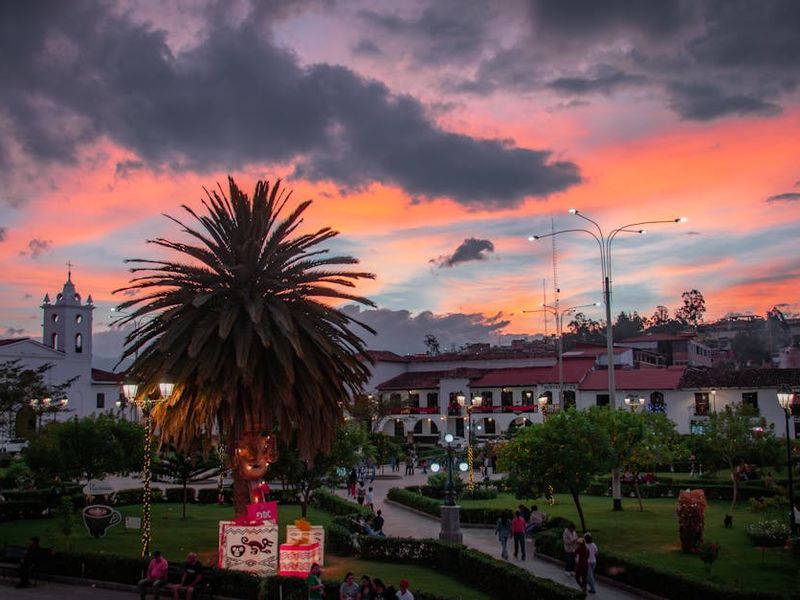
- Parque Calderón: Sit in the main square, watch daily life, and enjoy a mild cup of Ecuadorian coffee at nearby cafes.
- Botanical Garden: The peaceful Jardin Botánico de la Universidad del Azuay is a pleasant place to sit among native plants and rest.
- Light museum visits: Pumapungo Museum and a few art galleries provide indoor shelter and cultured distractions without much walking.
- Tea rooms and bookstores: Relax in a tea house or a quiet bookshop—perfect for reading and mental downtime while your mouth heals.
Sample Itineraries by Treatment Type
To help you plan, here are three realistic sample itineraries based on treatment intensity:
1–3 Day Checkup & Cleaning
- Day 1: Arrive, settle in, light evening walk near your accommodation.
- Day 2: Dental appointment in the morning; rest in the afternoon. Gentle riverside stroll in the evening.
- Day 3: Final brief follow-up, pick up prescriptions and fly home.
7–10 Day Crowns or Veneers
- Day 1–2: Arrival and pre-op consultation; enjoy slow sightseeing.
- Day 3: Prep work and impressions; rest and light meals afterward.
- Day 4–6: Temporary crowns or veneers; acclimate and relax; light activities and tea rooms.
- Day 7–9: Final fittings; buffer days for any adjustments.
- Day 10: Final check and departure.
Implant Surgery (Initial Stage)
- Week 1: Pre-op consult, imaging, and surgery; rest and short walks.
- Week 2–4: Recovery at a leisurely pace; return for any follow-up checks.
- Months later: Final crowns may be completed either back in Cuenca or at home with your family dentist.
Quality, Safety and Questions to Ask
When vetting clinics, ask direct questions about standards and protocols. Important items include:
- Whether the clinic uses digital X-rays and CBCT scans for implant planning
- Infection-control protocols and sterilization practices
- Provider credentials and experience with the procedure you need
- Availability of an international patient coordinator and post-op support
- What emergency procedures are in place and how to contact the clinic after hours
Staying Connected or Choosing to Disconnect
A dental vacation is an excellent chance to reset digitally. If you want to unplug, arrange a comfortable routine: limit social media, schedule certain hours for messages, and enjoy slow afternoons in cafes or parks. If you need to remain connected for work or family, choose lodging with reliable internet and tell your dental team how and when to reach you for follow-ups.
Final Tips for a Smooth, Relaxing Experience
- Communicate clearly: Email photos and X-rays ahead of time and confirm appointment times in writing.
- Plan for extra days: Schedule at least two buffer days for unexpected healing needs before flying home.
- Bring companionship: Traveling with a friend or partner can make recovery easier and more pleasant.
- Respect your body: Keep alcohol and smoking off the menu during recovery and follow your dentist’s nutrition guidance.
- Use local resources: Expat groups, online Cuenca forums, and the clinic’s international coordinator can be invaluable for recommendations and reassurance.
Leave With More Than a New Smile
A dental vacation in Cuenca can give you healthier teeth and a refreshed mind. With considered planning—choosing the right clinic, building in rest time, and selecting gentle activities—you can repair your smile without sacrificing leisure. Whether you linger in a balcony apartment over a river, sip slow-brewed coffee in a quiet cafe, or spend afternoons among botanical gardens, Cuenca offers the kind of calm, accessible care that lets you truly unwind and unplug while you heal.
Remember to consult both your dentist at home and your chosen provider in Cuenca so that your treatment plan is coordinated and safe. With those conversations in place, you’ll be ready to arrive prepared, rest responsibly, and return home with a smile—and memories—of a well-paced, restorative trip.