
Table of Contents
Why Cuenca Is the World’s Best Destination for Dental Tourism
If you’re weighing where to get dental implants, crowns, or veneers, Cuenca, Ecuador deserves a top spot on your list. For many patients from the U.S. and Canada, Cuenca delivers dramatic cost savings — typically 60–70% less — while offering world-class dental care, modern technology, and a beautiful city to recover and relax in between appointments. Beyond price, the real advantages are excellent training among dentists, one-on-one attention, short wait times, and the chance to combine treatment with a restorative vacation.
Meeting Your Budget: Real Cost Comparisons
Cost is the headline reason people choose dental tourism, and Cuenca shines here. While prices vary by clinic and materials, you can reasonably expect savings of 60–70% compared with U.S. and Canadian fees. For perspective, a single dental implant in the U.S. or Canada often costs between $3,000–$6,000; in Cuenca similar-quality implants commonly range from $800–$1,500. Porcelain crowns and veneers can also be a fraction of North American prices — many patients pay roughly $300–$700 per crown or veneer in Cuenca versus $1,000–$2,000 back home.
Those numbers translate into life-changing value: a full-arch restoration or multiple implants that would be prohibitively expensive at home can become achievable without sacrificing quality in Cuenca.
World-Class Training and Modern Clinics
Cuenca’s dentists are frequently educated at top dental schools in Ecuador and often pursue additional training abroad in the U.S., Europe, or other Latin American centers. Many clinics feature specialists in implantology, prosthodontics, periodontics and cosmetic dentistry who collaborate on complex cases. Expect to find bilingual teams, attentive coordinators, and professionals comfortable with international patients.
Clinics in Cuenca invest in modern technology: digital x-rays and CBCT scans for precise implant planning, intraoral scanners and CAD/CAM milling for same-day crowns, 3D printing for guides and temporaries, and high-quality implant systems used worldwide. That blend of advanced tools and experienced clinicians is a primary reason Cuenca ranks high for dental tourism.
Short Wait Times and Personalized Care
One hidden cost of dental care is time. In many places you may be scheduled weeks or months out. In Cuenca, private clinics typically offer short wait times and flexible scheduling for international patients. Many clinics set aside blocks of appointment time for dental tourists, allowing you to coordinate treatment with travel plans.
Another major advantage is the level of personalized attention. Smaller clinics and private practices emphasize one-on-one care. You’ll more often meet directly with your dentist for consultations, treatment planning, and follow-up, rather than seeing a rotating cast of practitioners. This continuity increases trust and predictability — invaluable when you’re traveling for care.
Procedures to Consider in Cuenca: Implants, Crowns and Veneers
Cuenca’s clinics are adept at a wide range of restorative and cosmetic procedures. Here’s what travelers commonly come for:
- Dental implants: From single-tooth implants to full-arch solutions like All-on-4, many clinics offer both traditional staged implants and immediate-load options. Implant systems used are typically international brands with long-term documentation.
- Crowns and bridges: Porcelain, zirconia, and porcelain-fused-to-metal restorations are produced with precise digital workflows; many clinics can deliver long-lasting crowns at a fraction of home prices.
- Veneers and smile makeovers: Cosmetic porcelain veneers and composite bonding are commonplace, with digital smile design often used to preview results and refine esthetics before veneers are made.
Most clinics provide warranties or follow-up commitments — check specific terms — and many will coordinate care remotely if minor adjustments are needed after you return home.
The Practical Timeline: How Long Should You Stay?
Treatment timelines depend on the procedure. Here’s a practical planning guide:
- Veneers and crowns: Many clinics use digital impressions and local labs to complete crowns and veneers in 7–10 days. Plan for a 10–14 day stay if you want built-in recovery and leisure time.
- Implants (traditional): Typically two visits: one for implant placement and one for the final prosthetic after healing (3–6 months). Many patients choose to split the trip — an initial 7–10 day trip for surgery and temporary restorations, followed by a shorter return visit for the final crowns.
- Immediate-load implants / All-on-4: Some protocols allow for implant placement and fixed temporary teeth in a single visit lasting roughly 7–14 days, with a follow-up visit months later for the definitive prosthesis.
Work with your clinic ahead of time to plan travel dates and book accommodations accordingly. Teleconsultations before travel can speed up in-person visits.
From Mariscal Lamar Airport to Your Clinic: Arrival Tips
Your international gateway for Cuenca is Mariscal Lamar International Airport (CUE). It’s a short drive to downtown Cuenca — typically a 20–30 minute transfer depending on traffic — and taxis or pre-arranged private transfers are readily available. Many dental clinics offer airport pickup or can recommend trustworthy transportation services so your first ride is stress-free.
Practical arrival tips: arrive a day before initial dental work unless your clinic instructs otherwise; carry digital and printed copies of your dental records and recent x-rays; have medications and routine prescriptions on hand. Ecuador uses the U.S. dollar, making budgeting straightforward for North American visitors.
Recovery in a Beautiful, Mild-Climate City
Cuenca’s temperate, spring-like climate and tranquil colonial center make it an ideal place to recover. The city sits at about 2,560 meters (roughly 8,400 feet) above sea level, offering cool, fresh air and scenic streets lined with parks, cafes and gentle walking routes — perfect for light exercise as you heal.
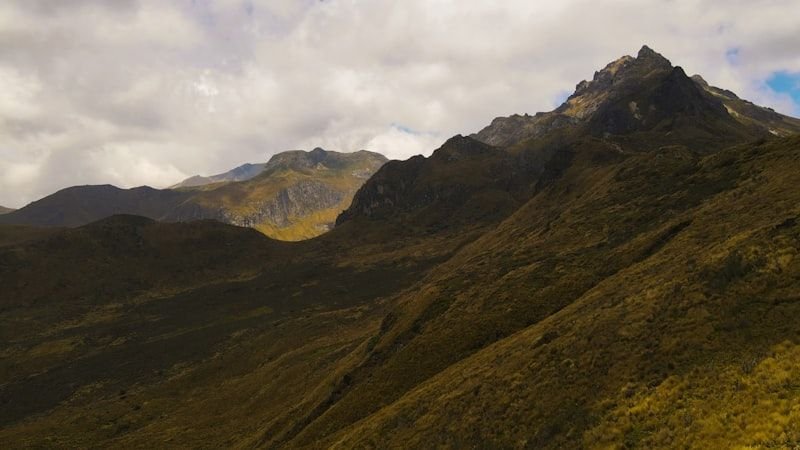
Plan easy activities during your recovery: stroll the UNESCO-listed historic center, visit Parque Calderón, enjoy riverside promenades (the Tomebamba River) or take short scenic drives to Cajas National Park for low-impact nature therapy. Many clinics will advise on activity restrictions after procedures and recommend local pharmacies and clinics for any follow-up needs.
Accommodation and Logistics: Where to Stay and What to Pack
Cuenca offers a wide range of accommodations: boutique hotels in the historic center, modern serviced apartments, and comfortable mid-range hotels near clinic clusters. For convenience, choose lodging near your dental clinic to reduce transit time and make follow-up visits easy.
Packing tips: bring comfortable clothing, any prescribed medications, a list of your medical history and allergies, dental records, and a travel-size oral hygiene kit (soft toothbrush, travel toothpaste, chlorhexidine rinse if recommended). Consider travel insurance that covers medical procedures and trip interruptions. If you use CPAP or specific medical devices, bring adapters (Ecuador uses 110V electrical outlets and U.S.-style plugs in most places).
Safety, Accreditation and Choosing a Clinic
Safety and quality should guide your clinic choice. Look for clinics that:
- Showcase dentist qualifications and continuing education
- Use modern sterilization protocols and high-quality implant systems
- Provide clear treatment plans, cost breakdowns and written warranties
- Offer patient testimonials, before-and-after photos, and the option for teleconsultations
Ask about materials (brand of implants, type of ceramic), digital workflows, and what follow-up care is included. Many international patients find it reassuring when a clinic collaborates with a local or international dentist for continuity of care after they return home.
Combining Dental Work with a Memorable Vacation
One of Cuenca’s greatest appeals is the ability to combine necessary dental work with a restorative holiday. After a morning appointment, spend afternoons exploring art galleries, sampling Ecuadorian cuisine, or relaxing in courtyard cafes. For day trips, Cajas National Park’s hiking and lake views are rejuvenating, and the city’s cultural scene (museums, local markets, artisan shops) provides gentle stimulation without exhausting your recovery reserves.
Many patients say that the calm pace, pleasant restaurants, and friendly locals make Cuenca an ideal place to focus on healing while enjoying life — a compelling alternative to clinical recovery in an unfamiliar or rushed environment.
Insurance, Financing and Warranties
Most U.S. and Canadian dental insurance plans don’t cover procedures performed abroad, but the lower fees often eliminate the need for extensive coverage. Ask clinics about in-house financing, third-party financing partners, or staged payment plans. Also request written documentation of warranties for restorations and implants; many reputable clinics provide time-limited guarantees and remote support if small adjustments are needed after you return home.
Practical Patient Tips: Questions to Ask Before You Book
- Can I have a teleconsultation before booking travel dates?
- What brands and materials do you use (implants, ceramics, sedation drugs)?
- What are the exact costs, including diagnostics, surgery, follow-ups, and lab fees?
- Is airport pickup, interpreter services, or a local phone SIM available?
- What is your protocol for medical emergencies or complications?
- Do you offer written warranties and who covers follow-up visits if I return home early?
Real Value: Why So Many Travelers Choose Cuenca
The combination of steep cost savings, highly trained dentists, up-to-date clinic technology, quick scheduling, and a healing-friendly city environment is hard to beat. Whether you need a single implant, multiple crowns, or a cosmetic smile upgrade, Cuenca often provides better value — not just lower prices — by combining clinical quality with personalized service and the bonus of time in a culturally rich, manageable city.
For many patients, dental tourism in Cuenca is more than a bargain: it’s a pathway to lasting oral health improvements that would otherwise be out of reach, plus an opportunity to recover in a vibrant, peaceful place.
Final Checklist Before You Fly
- Confirm dates,_transfer, and appointment schedule with your clinic.
- Keep digital copies of all dental records and send them to the clinic in advance.
- Arrange accommodation within easy distance of your dental practice.
- Pack essential medications, prescriptions, and a travel oral care kit.
- Purchase travel insurance that includes medical coverage and trip disruption.
- Allow extra days for recovery and sightseeing to make the most of your stay.
Conclusion: A Smart, Beautiful Place to Get Your Smile Back
Cuenca, Ecuador offers a compelling blend of affordability, quality, and comfort — the core pillars of successful dental tourism. From cutting-edge clinics staffed by well-trained dentists to a city environment that promotes relaxation and healing, Cuenca gives patients the chance to get exceptional dental work while enjoying a memorable trip. If you’re considering implants, crowns or veneers, Cuenca deserves serious consideration as your next dental destination.
Plan ahead, vet clinics carefully, and you’ll likely find that the journey from airport to dental chair in Cuenca leads not just to a healthier smile, but to an unexpectedly restorative vacation.