
Table of Contents
Why Cuenca is a Great Choice for a Dental Holiday
Cuenca, Ecuador’s UNESCO-listed jewel in the Andes, has quietly become a top destination for dental travelers who want dependable care paired with a peaceful getaway. The city’s combination of experienced dentists, modern clinics, and lower prices (Ecuador uses the US dollar) makes it attractive—but what really sets Cuenca apart is the ability to rest and recover in a walkable, historic city framed by parks, rivers, and Andean scenery.
Beyond cost savings, many clinics in Cuenca offer advanced imaging, on-site labs, and English-speaking staff while being just minutes away from quiet neighborhoods and gentle sightseeing options. If you plan your visit carefully, you can synchronize appointments with leisurely activities that help you relax and heal.
Deciding What Procedure Fits a Dental Vacation
Not every dental procedure can be completed in a short trip. Routine care—crowns, veneers, fillings, root canals, and some types of extractions—are commonly done during a 7–14 day visit. Implant treatments are also widely offered, but timelines vary: single-stage implants with immediate temporaries may be possible, while multi-step implants typically require months for osseointegration.
Before you book, ask the clinic for a realistic treatment timeline. Many practices provide phased plans that split diagnostics, surgical work, and final prosthetics into visits so you can combine a restorative plan with practical travel windows.
Choosing the Right Clinic: Questions to Ask
Selecting a clinic is the most important part of planning. Here are practical questions to ask when you contact a provider:
- Are you licensed and where did the dentists train? Can you show credentials?
- Do you use digital X-rays and CBCT scans? Will images be shared with me?
- Can you provide references or links to independent patient reviews and before/after photos?
- Is there an on-site lab or a trusted dental laboratory partnership?
- What brands/materials are used for implants, crowns, or veneers?
- What are your sterilization protocols and what infection-control measures were adopted recently?
- Do you offer a written treatment plan, cost estimate, warranty, and emergency contact?
Many clinics will offer a complimentary virtual consultation if you send recent dental photos and X-rays. Use that session to evaluate communication, clarity, and responsiveness.
Booking, Travel Logistics, and Timing
Cuenca’s airport (Mariscal La Mar) connects with Quito and Guayaquil and has international options via nearby hubs. When planning flights, allow for an extra day before major dental work for rest and acclimatization: Cuenca sits at about 2,560 meters (8,400 feet) above sea level, and altitude can affect anesthesia recovery and overall energy levels.
Because Ecuador uses the US dollar, pricing and budgeting are straightforward. Many clinics accept credit cards or wire transfers; ask about deposits and cancellation policies up front. Also plan for ground transfers—arranging a clinic pickup or booking a reputable taxi or ride service helps reduce stress on arrival.
Preparing for Your Visit: Records, Meds, and Essentials
Gathering documentation will speed up consultations. Bring or email:
- Recent dental X-rays and any panoramic or CBCT scans
- Your dental history and a list of current medications
- Photos of your smile (front and profile)
- Copies of prescriptions or allergies
Pack an aftercare kit in your carry-on: a small ice pack (or instant cold packs), a travel-size salt for rinses, your preferred over-the-counter pain reliever, and natural soft foods you like. Many clinics will prescribe antibiotics or stronger pain medication, but bringing items you prefer for comfort can help the first 24–48 hours after surgery.
Where to Stay: Neighborhoods That Support Recovery
Cuenca’s compact historic center is ideal for walkers and those who want cultural immersion within easy reach of clinics. Neighborhoods to consider:
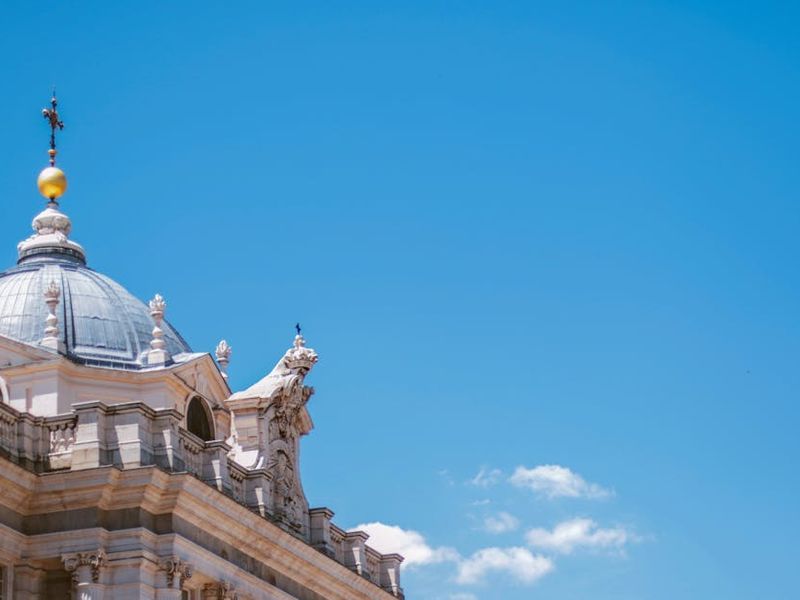
- El Centro and Parque Calderón – Close to many clinics, restaurants, and landmarks like the New Cathedral; good for short walks and sightseeing.
- Near the Tomebamba River – Scenic, quieter streets with cafes and morning promenades that are gentle on sore mouths.
- Residential areas a short taxi ride away – These can be quieter for longer recoveries and often have apartment rentals with kitchens if you prefer home-cooked soft meals.
Consider accommodations with elevators or minimal stairs if you expect limited mobility after oral surgery. Hotels with on-site spas or in-house massage therapists can enhance relaxation but confirm treatments with your dentist in case of medical restrictions.
Recovery Tips: Eating, Sleeping, and Managing Swelling
Allowing your body to rest is the best way to get the most from a dental vacation. Practical recovery tips:
- Sleep propped up on pillows for 48–72 hours after oral surgery to reduce swelling.
- Stick to nutrient-rich soft foods: mashed potatoes, soups (try Ecuadorian locro de papa if mild), yogurt, scrambled eggs, smoothies, and well-blended purées.
- Stay hydrated but avoid hot, acidic, or spicy foods during the early healing period.
- Follow your dentist’s instructions for saline or antiseptic rinses, and avoid vigorous mouth rinsing for the first 24 hours if you’ve had extractions.
- Use cold compresses for the first 24–48 hours, then switch to warm compresses if recommended.
Local pharmacies (farmacias) are plentiful around Cuenca’s center and can quickly fill prescriptions. If you have a preferred brand of a medication or nutritional supplement, bring it with you to avoid substitution worries.
Gentle Activities to Do Between Appointments
One of the pleasures of a dental vacation in Cuenca is the balance of medical care and restorative downtime. Choose activities that are low-impact and close to home:
- Stroll along the Tomebamba River and enjoy the flower-lined banks—perfect for short, healing walks.
- Visit Museo Pumapungo for gentle indoor exploration of pre-Columbian history and gardens.
- Relax in a café near Parque Calderón—Cuenca’s coffee scene is calm and restorative.
- Take a slow day trip to Chordeleg or Gualaceo to browse artisan markets (short rides reduce fatigue).
- Book a spa treatment that’s safe post-dental work (confirm with your dentist first).
Save more strenuous adventures—high-altitude hiking, intense biking, or heavy lifting—until you’ve cleared it with your dental team and feel fully recovered.
Costs, Warranties, and Financial Checklist
Dental tourism in Cuenca typically delivers substantial savings versus North American or European prices. To protect your investment:
- Get a written estimate that itemizes materials, lab fees, and follow-up visits.
- Ask about warranties on crowns, implants, and prosthetics—what’s covered and for how long.
- Inquire about payment plans, accepted cards, and refund policies for cancellations.
- Keep receipts and treatment documentation for follow-up or if you need to seek care elsewhere later.
Also check whether your dental insurer offers out-of-country coverage or reimbursement; sometimes insurers will reimburse a portion of treatment completed abroad if documentation meets policy standards.
Language, Communication, and Aftercare Follow-Up
Many dental clinics in Cuenca work regularly with international patients and have English-speaking staff or interpreters. Still, brushing up on a few Spanish phrases related to dentistry can help: “dolor” (pain), “inflamación” (swelling), “sangrado” (bleeding), and “antibiótico” (antibiotic).
Ask your clinic how they handle remote follow-ups. A common approach is to send day-by-day photos and short videos through secure messaging or email, and to have scheduled video calls for consultations. Save all contact methods and emergency numbers before you leave so you can reach your dentist from home if needed.
Safety and Practical Local Tips
Cuenca is generally considered safe for travelers, but standard precautions still apply: keep valuables secure, avoid poorly lit streets at night, and use registered taxis or a hotel-arranged driver. Most clinics are in central, well-trafficked areas, but confirm the address and nearby landmarks before your visit.
Because of the altitude, take it easy on your first day—avoid alcohol, sleep well, and hydrate. If you have medical conditions like uncontrolled diabetes or cardiovascular issues, consult both your physician and your dentist before travel to ensure any special precautions are taken.
Sample Itineraries: How to Build a Relaxing Dental Trip
Below are two sample itineraries you can adapt depending on your procedure.
7-Day Relax & Restore (Suitable for Crowns, Fillings, Simple Extractions)
- Day 1: Arrival, rest, gentle walk near the Tomebamba River to acclimate.
- Day 2: Initial consultation and digital imaging; evening at a calming café.
- Day 3: Dental work (e.g., crown prep or extraction); soft-food dinner and rest.
- Day 4: Recovery day—short walk, saline rinses, low-key sightseeing.
- Day 5: Follow-up check; pick up temporary prosthetic if needed.
- Day 6: Gentle cultural activities—Museo Pumapungo or artisan markets.
- Day 7: Final check (if applicable) and departure.
14+ Day Plan (For Implants or Multi-Phase Work)
- Day 1–2: Arrival and consultation, planning, and imaging.
- Day 3–6: Surgical phase (implant placement). Rest and initial healing.
- Day 7–13: Low-impact local tours and extended rest; periodic check-ins with dentist.
- Day 14: Suture removal/follow-up; discuss provisional restorations and home care.
- Return trip (after osseointegration): Place final crowns/abutments—timing usually 3–6 months unless an immediate protocol is used.
Final Checklist Before You Go
- Confirm all appointments, transfers, and hotel reservations in writing.
- Send dental records and photos to the clinic in advance.
- Pack copies of prescriptions, extra soft foods, and your preferred pain reliever.
- Arrange for someone at home to be available for follow-up communications.
- Purchase travel insurance that covers medical evacuation if you have complex procedures planned.
Closing Thoughts: Balance Care with Calm
A dental vacation in Cuenca can be an efficient and restorative experience when planned with a focus on health, comfort, and recovery. The city’s walkable historic center, accessible clinics, and tranquil surroundings make it possible to get quality dental care while enjoying gentle exploration and downtime. With the right clinic, clear expectations, and a recovery-friendly itinerary, you’ll return home with a healthier smile—and memories of the Andes to match.
Ready to start planning? Reach out to clinics for initial quotes, join local expat forums for firsthand recommendations, and book a flexible travel window that gives you room to rest and heal. Your teeth—and your travel-weary self—will thank you.