
Table of Contents
Introduction: A New Era of Dental Tourism
Dental tourism is no longer about finding the cheapest option — it’s about maximizing value. Cuenca, Ecuador has emerged as a global leader in dental vacations because it delivers exceptional dentistry at a fraction of North American prices, in a city that’s perfect for recovery and exploration. If you’re considering implants, crowns, or veneers, here’s why Cuenca deserves serious attention.
Massive Savings Without Sacrificing Quality
One of the most compelling reasons patients choose Cuenca is cost. On average, Ecuadorian dental prices run about 60–70% lower than in the United States and Canada. That means procedures that often cost thousands of dollars back home—dental implants, multi-unit bridges, porcelain crowns, and veneers—are available at a fraction of those prices in Cuenca.
To put that into perspective (estimates vary by case and clinic): a single dental implant in the US or Canada can cost from $2,500–$5,000. In Cuenca, similar quality implants frequently fall between $800–$1,500. Veneers that might run $800–$2,000 per tooth at home can be found for $200–$600 in Cuenca. These are illustrative examples, but they underscore the life-changing potential of dental tourism — you can often afford a more comprehensive treatment plan, upgrade materials, or add cosmetic work because your overall bill is so much lower.
World-Class Professionals Educated Locally and Abroad
Cuenca’s dentists are highly trained professionals. Many hold degrees from top Ecuadorian universities such as Universidad de Cuenca and Universidad San Francisco de Quito, and a significant number have advanced training or certifications from Europe, the United States, and Latin America’s leading institutions. Continuing education is common — specialists pursue training in implantology, prosthodontics, endodontics and cosmetic dentistry, and they regularly attend international conferences.
When choosing a clinic, you’ll often find detailed bios of the team, including advanced certifications, memberships in international dental associations, and before-and-after portfolios. Look for clinics that use accredited sterilization protocols and that are transparent about the training and experience of the treating dentist.
Modern Clinics and Cutting-Edge Technology
Cuenca’s dental clinics are built to international standards. Many clinics boast digital diagnostics like cone-beam CT (CBCT) scans, intraoral scanners, CAD/CAM milling for same-day crowns, and 3D printing for surgical guides. These technologies translate to more predictable outcomes, shorter appointments, and fewer visits overall.
Beyond technology, clinics here emphasize infection control and patient comfort — private recovery rooms, digital imaging for precise planning, and on-site labs where local dental technicians can craft restorations quickly. The combination of modern equipment and skilled technicians is a major reason quality is comparable to private clinics abroad.
Short Wait Times and Faster Turnarounds
In many countries, waiting weeks or months for major dental work is normal. In Cuenca, turnaround times are often shorter: initial consultations can be scheduled within days, and treatment plans are frequently executed within a few weeks — sometimes even in a single extended visit if you opt for same-day crowns or immediate-load implants. This efficiency is ideal for travelers who want to minimize time away from home while still receiving top-tier care.
Personalized, One-on-One Care
Patients frequently highlight the attentive, individualized service they receive in Cuenca. Clinics here tend to provide one-on-one consultations, direct access to the dentist (not just an intake coordinator), and a high staff-to-patient ratio that ensures follow-up and continuity of care. Many clinics offer multilingual staff and personalized recovery instructions — a level of hands-on attention that many patients say exceeds their experiences at home.
Recovery in a Beautiful, Calm Environment
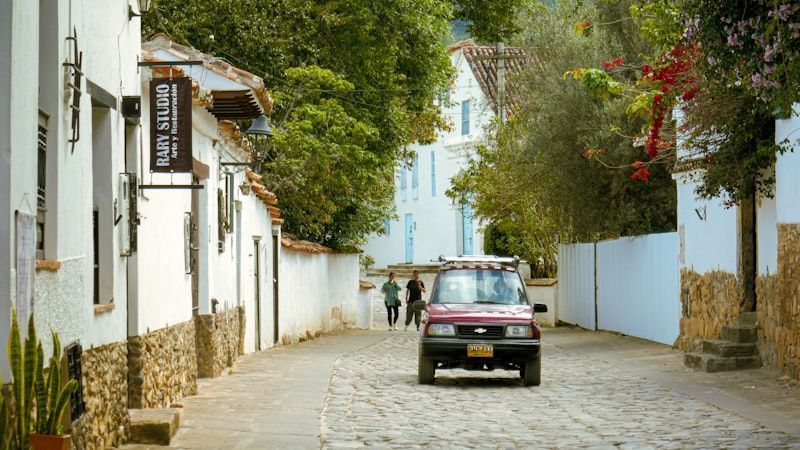
Cuenca’s climate, scenery, and laid-back pace make it an exceptional place to recover after dental surgery. At about 2,560 meters (8,400 feet) above sea level, the city has a mild, spring-like climate year-round — cool evenings and comfortable days — which many find soothing during healing. The historic center, a UNESCO World Heritage site, offers tree-lined plazas, quiet cobblestone streets, and cafes where you can relax between appointments.
Beyond the city, Cajas National Park’s lakes and gentle hiking trails are ideal for low-impact day trips. Charming artisan towns such as Gualaceo and Chordeleg are an easy drive for souvenir shopping, and the cultural richness of Cuenca — museums, markets, and friendly locals — makes recovery feel like a restorative vacation rather than a medical ordeal.
Combine Dental Work with a Memorable Vacation
Dental tourism in Cuenca isn’t just about arriving for a procedure and leaving. Many patients schedule extra days to enjoy the city: explore the Parque Calderón, sample local cuisine like llapingachos (potato cakes) and cuy (guinea pig) if adventurous, stroll the Tomebamba River, or take a day trip to Ingapirca ruins. For those recovering from implants or extractions, leisurely activities keep you engaged without straining the healing process.
Clinics often help coordinate tourism elements: airport transfers, hotel bookings, and sightseeing recommendations. That makes it easy to design an itinerary that balances treatment, downtime, and discovery.
Value for Implants, Crowns, and Veneers
Because of Cuenca’s cost structure, it’s common for patients to get comprehensive restorations they couldn’t otherwise afford. Options like all-on-4 implants, full-mouth rehabilitations, or a mix of cosmetic veneers and restorative implants are realistic choices without the financial burden typical in North America.
Many clinics offer bundled pricing and written treatment plans that show step-by-step costs and timelines. This transparency, combined with substantial savings, allows patients to choose higher-quality materials — for example, zirconia crowns or high-end porcelain veneers — at prices that still beat domestic costs by a large margin.
How to Plan a Dental Vacation in Cuenca
Planning is the key to a smooth dental trip. Here are practical steps and tips:
- Start with an online consultation: Many clinics offer virtual exams. Send photos, X-rays, and a concise medical history to get a preliminary treatment plan and quote.
- Compare written estimates: Get itemized quotes from 2–3 clinics so you can compare materials, timelines, and post-op care.
- Schedule wisely: Allow extra time for diagnostics, treatment, and a recovery buffer. For implants, build in weeks for osseointegration if necessary, though many clinics offer immediate-load options where appropriate.
- Verify credentials: Ask about the dentist’s education, certifications, and experience with the specific procedure you need. Request before-and-after photos and patient references if available.
- Arrange accommodations near your clinic: Staying close reduces stress, especially in the first 48 hours after surgery. Many hotels and Airbnbs are within walking distance of downtown clinics.
- Understand payment and guarantees: Confirm accepted payment methods (credit card, wire transfer, cash) and any warranties or follow-up arrangements for restorations.
- Prepare medical records: Bring recent dental X-rays and a list of medications and allergies. That helps the local dentist provide safer, faster care.
Travel Logistics: Getting to Cuenca and Getting Around
Cuenca is well-connected. International travelers typically fly into Ecuador’s primary hubs (Quito or Guayaquil) and then take a short domestic flight to Cuenca’s airport (CUE) or a scenic bus ride. Cuenca’s airport has regular connections and many clinics offer airport transfers. Once in the city, taxis and ride apps are inexpensive and reliable. For day trips, private drivers and guided tours are easy to arrange.
Language and Communication
While Spanish is the primary language, many dental clinics in Cuenca cater to international patients and provide English-speaking staff, bilingual consent forms, and translated post-op instructions. If you don’t speak Spanish, it’s helpful to confirm language support during your initial contact so there’s no miscommunication about treatment plans or aftercare.
Safety, Regulation, and Standards of Care
Medical and dental tourism safety in Cuenca is enhanced by regulated clinical standards, sterilization protocols, and a growing emphasis on international accreditation. Many clinics adhere to global infection control practices and invest in modern sterilization equipment. When researching clinics, ask about sterilization procedures, how instruments are handled, and whether the clinic uses disposable materials where appropriate.
Follow-Up Care and Long-Term Considerations
A smart dental tourism plan includes arrangements for follow-up care. Reputable clinics provide electronic records and are willing to consult with your local dentist after you return home. For more complex procedures, consider a local dentist who can monitor healing periodically. Many patients report flawless long-term results when they follow both the Cuenca clinic’s instructions and routine follow-up with their local provider.
Patient Stories and Real-World Results
People who travel to Cuenca for dentistry often describe the experience as transformational: affordable treatment that allows them to finally address long-postponed dental issues, coupled with a memorable stay in a beautiful city. From retirees seeking implant-supported dentures to professionals getting cosmetic makeovers, the common themes are predictable costs, excellent care, and a recovery that feels more like a restful vacation than a medical event.
Common Questions Answered
- Is it safe to get implants in Cuenca? Yes — many clinics use the same implant brands and technologies found internationally, performed by experienced surgeons with CBCT planning and guided-surgery options.
- How long should I stay? For uncomplicated crowns or veneers, a week may be enough. For implants, plan for multiple visits spaced weeks apart, or ask about immediate-load options and recovery timelines during your consultation.
- Will my insurance cover it? Some insurers offer partial coverage for international dental work; others consider it elective. Check with your provider and ask the clinic for detailed invoices for potential reimbursement.
Final Thoughts: Value, Quality, and the Cuenca Advantage
Cuenca has risen to the top of dental tourism for good reason. The city delivers a rare combination: highly trained dentists, modern clinics with digital technology, and costs that allow patients to receive superior restorative and cosmetic dentistry without bankrupting themselves. Add short wait times, personalized care, and a beautiful setting for recovery, and you have a dental vacation destination that consistently outperforms competitors.
If you’re weighing options for implants, crowns, or veneers, consider Cuenca not just for the price, but for the entire package: exceptional value, professional care, and an unforgettable backdrop for your journey to a healthier, more confident smile.
Quick Checklist Before Booking
- Request a virtual consultation and itemized quote.
- Confirm credentials, sterilization standards, and technology used.
- Plan accommodations near your clinic and allow a recovery buffer.
- Arrange for local follow-up or remote communication post-trip.
- Prepare your medical and dental records and clarify payment details.
Cuenca isn’t just a place to fix a tooth — it’s where smart travelers restore their smiles, save a lot of money, and rediscover the joy of travel in a city that cares for your whole experience. Whether you need a single implant, a set of porcelain veneers, or full-arch rehabilitation, Cuenca offers a combination of affordability, expertise, and hospitality that’s hard to beat.