
Table of Contents
Why Cuenca Is a Top Choice for Dental Tourism
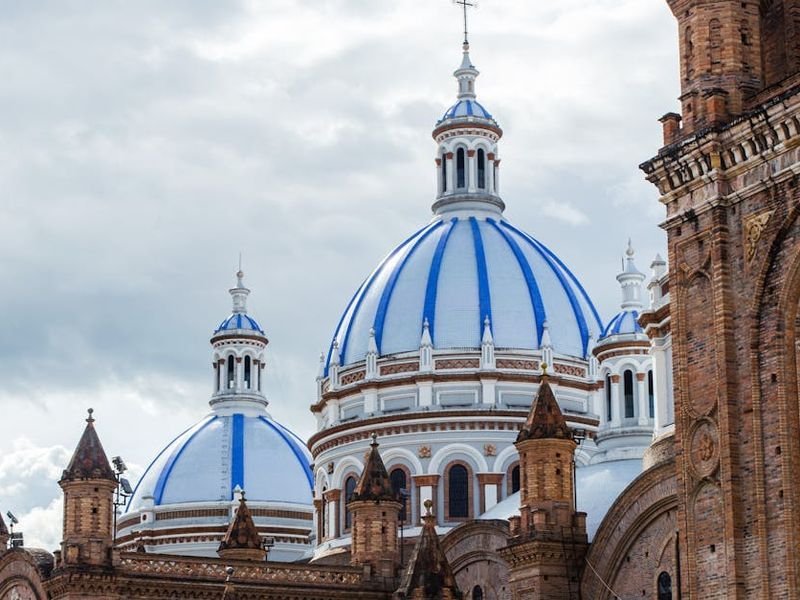
Cuenca, Ecuador, has become a magnet for dental travelers looking to stretch their budgets without sacrificing quality. The city’s combination of experienced private clinics, lower treatment costs, an English-friendly expat community and a pleasant Andean climate makes it an attractive option for restorative, cosmetic and implant dentistry. Add in UNESCO-listed colonial streets, excellent food and easy access to outdoor escapes like Cajas National Park, and you can turn a dental trip into a restorative vacation.
Start with a Clear Plan: Before You Book Anything
The difference between a stressful trip and a smooth one is planning. Before you buy a ticket, take these concrete steps:
- Request remote consultations: Email photos, X-rays and your dental history to several clinics and ask for detailed treatment plans with timelines and cost estimates in writing.
- Verify credentials: Ask whether dentists are registered with Ecuador’s Colegio de Odontólogos and whether the clinic uses digital X-rays, CBCT scans and modern sterilization protocols.
- Compare material options: For crowns and implants, request the brand names of implants and the type of crown material (e.g., zirconia vs. porcelain fused to metal) and ask about lab location and warranty terms.
- Plan your timeline: Some procedures require multiple visits or months between steps (implants need time for osseointegration). Decide if you’ll have surgery in Cuenca and restorations at home or complete the whole process there.
How Much Can You Really Save?
Exact costs shift with time and clinic, but in general you can expect prices in Cuenca to be 40–70% lower than in the United States and significantly less than many private clinics in Canada, the U.K. or Australia. For example, a crown, root canal or filling often costs a fraction of U.S. prices; implants can also be dramatically cheaper. Ask clinics for an itemized quote that includes materials, lab fees and follow-up visits so you can compare apples to apples.
Choosing the Right Clinic in Cuenca
Cuenca’s clinics are concentrated around the historic center and the nearby hospital corridors where you’ll find modern facilities and bilingual staff. Use these tips to pick a clinic you can trust:
- Read recent patient reviews on multiple platforms—expat forums, Google, Facebook groups dedicated to Cuenca expats—and pay attention to comments about follow-up care and honesty in pricing.
- Confirm imaging capabilities: a clinic with in-house digital X-rays and CBCT is better equipped for implant planning and complex cases.
- Ask about a temporary plan for complications: if something goes wrong after you return home, who will provide care or a second opinion?
- Choose clinics that offer multilingual coordinators. Many now provide airport pickup, interpreter services and accommodation assistance as part of dental packages.
Timing Your Trip Around Treatment and Recovery
Treatments have differing time demands. Fillings and extractions often require only a day or two in town, whereas implants can involve surgery and then a 3–6 month healing interval before final crowns. Here’s how to schedule smartly:
- Short procedures (1–3 days): Plan a long weekend or 4–7 days for exams, treatment and a couple of rest days. Stay near the clinic to minimize travel stress.
- Implants or major reconstruction: Consider the first appointment for surgery and immediate postoperative monitoring; you may then return home for the healing phase and come back months later for abutments and final crowns. If you prefer completion in Cuenca, build in two or more trips or a month-long stay.
- Follow your dentist’s timeline exactly. Don’t rush the healing process to save travel time; compromised healing can cost more down the line.
Where to Stay: Neighborhoods That Make Aftercare Easier
Choosing the right place to stay influences comfort and recovery. These practical lodging tips help you rest and keep appointments on time:
- Historic Center (Centro Histórico): Ideal if you want to be within walking distance of many clinics, cafes and pharmacies. Cobblestone streets are charming but can be uneven—consider mobility if you’ve had extractions or surgery.
- Tomebamba riverfront and El Vecino areas: Slightly quieter than the main square, with lovely walks along the Tomebamba and easy access to clinics in the hospital corridor.
- Near hospitals (northern corridors): Best if you want quick access to emergency care or dentist offices that cluster near private hospitals. These areas may have more modern apartment options and easier vehicle access.
Look for accommodations with elevator access (many colonial buildings do not have elevators), reliable Wi-Fi for teleconsultations and a kitchenette for soft-food recovery days.
Local Logistics: Getting Around and Staying Comfortable
Cuenca is compact and walkable, but you’ll want simple transport options during recovery:
- Taxis and ride apps: Taxis are inexpensive; negotiate a fare up front or use local ride apps where available. Many clinics arrange airport or hotel pick-ups.
- Public buses: Extremely cheap but less useful post-procedure because of frequent stops and standing room—stick to taxis or private transfer if you’re sore.
- Pharmacies and supplies: Local pharmacies stock painkillers, antibiotics and oral care products; bring any prescribed home medications and a copy of your prescriptions as a backup.
Practical Aftercare Tips for a Smooth Recovery
Good aftercare is critical to long-term success. Follow these evidence-based, practical steps:
- Follow-written instructions: Request the clinic to provide clear, English-written aftercare instructions, a contact phone number and emergency hours.
- Pain management: Use the pain medications your dentist prescribes. Over-the-counter ibuprofen and acetaminophen are often recommended, but check dosages and interactions with your home physician if you’re taking other meds.
- Diet and hydration: Stick to soft foods and cool or room-temperature liquids for the first 48–72 hours after extractions or implant surgery. Avoid alcohol and hot drinks during this period.
- Rest and sleep: Sleep with your head elevated for the first couple of nights if you’ve had surgery. Walk gently around the neighborhood to boost circulation but avoid strenuous hikes or heavy lifting.
- Maintain oral hygiene: Use saline rinses or chlorhexidine mouthwash if prescribed. Avoid vigorous rinsing or using straws in the first 24–48 hours after extractions.
Money, Payments and Warranties
As you finalize your booking, cover the financial details thoroughly:
- Get an itemized invoice: Ensure the quote covers all phases—consultation, imaging, materials, lab work, follow-ups and any anesthesia fees.
- Ask about payment methods: Most clinics accept credit cards and cash (USD is Ecuador’s currency). Confirm whether your card will incur extra fees and whether the clinic requires partial deposits to reserve time slots.
- Warranties and guarantees: Request written warranty terms for crowns and implants. If the clinic offers a warranty, note the duration and conditions, and what is considered normal wear versus faulty work.
- Insurance and reimbursement: Many U.S. and Canadian insurers won’t cover overseas dental work, but check if your plan offers partial reimbursement. Keep receipts and a full treatment narrative for claims.
Safety, Language and Local Culture
Cuenca is known for its safety and friendly locals, but sensible precautions still apply:
- Petty theft: Keep valuables in a hotel safe and carry minimal cash when walking around. Use a cross-body bag with a zipper in crowded markets.
- Language: Spanish is the norm. Many clinics and hospitality businesses have English-speaking staff; nonetheless, learning a few phrases or using a translation app helps.
- Respect local customs: A polite greeting and a smile go a long way. Trying Ecuadorian food and visiting markets are great ways to engage while you recover.
Combining Recovery with a Relaxing Cuenca Experience
You don’t have to be confined to your room the whole time. Plan gentle activities that promote recovery:
- Stroll the riverside walks along the Tomebamba for fresh air and light exercise.
- Visit Museo Pumapungo or the Museo del Banco Central for low-energy cultural outings near the center.
- Take a short scenic drive to Mirador de Turi for panoramic views—avoid high-altitude strenuous hikes immediately after surgery.
- Try local soft-food specialties like soups, pureed locro (corn and cheese soup), and fresh fruit smoothies (avoid seeds or nuts early on).
Handling Complications and Follow-Up Back Home
Even with great planning, complications can happen. Prepare for them:
- Get a written post-op contact: Ask your Cuenca dentist for clear instructions on how to get in touch in case of problems after you return home.
- Coordinate with your local dentist: If you plan to have parts of the treatment completed abroad and others at home, share all records and imaging with your regular dentist ahead of time.
- Emergency steps: If you experience uncontrolled bleeding, severe swelling or signs of systemic infection (fever, spreading redness), seek immediate medical attention at a hospital.
Using Local Resources: Expat Groups, Clinics and Patient Coordinators
Leverage the knowledge of people who have already traveled for dental care:
- Expat forums and Facebook groups: These communities often share up-to-date experiences, clinic referrals and tips on translators and shuttle services.
- Patient coordinators and dental tourism companies: They can handle scheduling, lodging and transfers, but check that they’re transparent about fees and are not pressuring you into a quick decision.
- Local pharmacies and labs: Good clinics work with high-quality local labs; ask whether lab work is domestically produced or outsourced and what QC checks are in place.
Final Checklist Before You Fly
Make sure you’ve ticked these final boxes:
- Printed and digital copies of all treatment plans, X-rays and contact numbers.
- Enough prescription medication for your stay and a written prescription to get more if needed.
- Travel insurance that covers medical emergencies and possible trip interruption related to dental procedures.
- Comfortable shoes, a pillow for elevation, and a small recovery kit with gauze, saline, and over-the-counter pain relievers.
Conclusion: Balance Value with Care
Cuenca offers an excellent balance of quality care, savings and a pleasant environment for recovery, but success hinges on planning. Take the time to vet clinics, get detailed written plans, arrange comfortable nearby lodging and allow enough time for healing. With the right preparation, you can leave Cuenca with improved dental health—and some great memories of a city that’s as restorative as your treatment.
Ready to start? Begin by requesting remote consultations from multiple clinics, ask for itemized quotes, and plan a travel window that respects both treatment timelines and your need for rest. Your trip will be more efficient, affordable and worry-free with the right research and a calm approach.