
Table of Contents
Why Cuenca is a Top Choice for Dental Travel
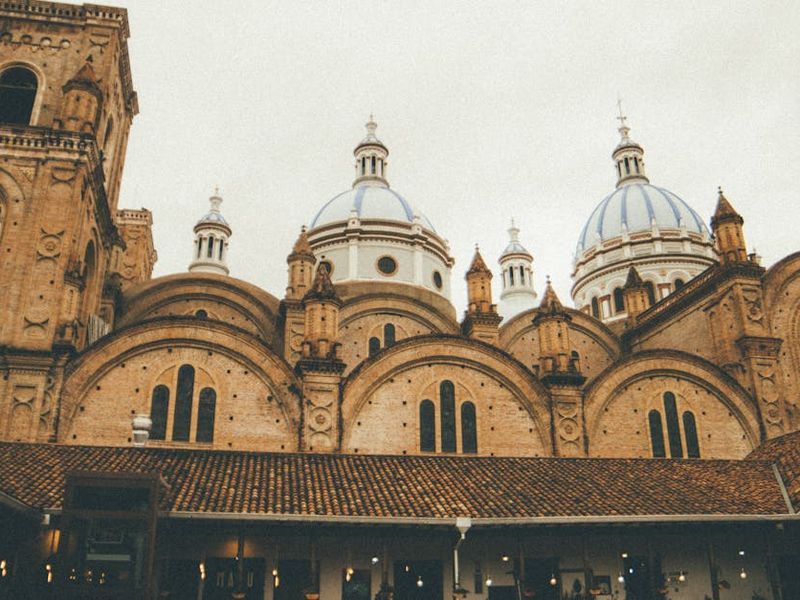
Cuenca, Ecuador has become a favorite destination for dental travelers who want high-quality care at a fraction of North American and European prices. The city offers modern clinics, many English-speaking dentists, accredited labs, and a comfortable pace of life that makes recovery easier. Beyond the dental benefit, Cuenca’s UNESCO-listed historic center, pleasant year-round climate, and efficient local services let you combine treatment with a genuine vacation experience.
Before You Book: Research and Prepare
Successful dental travel begins long before you arrive. Start by requesting your dental records from your home dentist—past x-rays, a current panoramic or bitewing x-ray, and a written history of previous procedures make consultations far more productive. Email these files to prospective Cuenca clinics so they can provide a realistic estimate and prepare for the right tests upon arrival.
Ask clinics for a full written treatment plan that includes diagnostics to be performed on-site, a timeline (number of visits and days required), materials and brands to be used (e.g., implant manufacturers, porcelain type), guarantees or warranties, and a clear fee schedule. Having everything in writing protects you and makes it easier to compare offers from different practices.
How to Choose the Right Clinic in Cuenca
Not all clinics are created equal. When evaluating options, look for evidence of modern diagnostic equipment (digital x-rays and CBCT scans), on-site or partner labs, and documented sterilization procedures. Many high-quality clinics in Cuenca display their accreditations, continuing education certificates, and before/after galleries online—review these carefully.
Patient reviews are invaluable but read them critically. Look for recent testimonials that mention successful outcomes and good communication. If English is essential, confirm the clinic has English-speaking staff or an interpreter. Don’t be shy about requesting to speak with past patients or to see real treatment photos.
Cost Expectations and Where to Save
Costs in Cuenca can be roughly 30–70% lower than in the U.S. or Canada, but prices vary by material and complexity. For example, single crowns, implants, or root canals often cost much less than at home—yet the exact price depends on whether premium materials or specialized implant systems are used. Ask for options: a budget ceramic crown vs. a premium zirconia crown, local lab vs. imported prosthetics, and so on.
Ways to get more value: bundle procedures at a single clinic to reduce repeated diagnostic fees, schedule mid-week appointments (some clinics offer small discounts), and be willing to use local dental labs recommended by the clinic—turnaround is fast and often cheaper. However, avoid cutting corners on the implant brand or essential components; longevity is the real value.
Timing Your Trip: How Long to Stay
Your ideal length of stay depends on the procedures. Consultations, x-rays, and impressions often fit into a single day, but surgeries like implant placement generally require at least 7–10 days for initial healing and a follow-up check. Full-mouth restorations or multiple implants can demand several visits spaced weeks apart. Plan for at least one cushion day in case of delays.
A typical dental vacation itinerary might look like this: Day 1 arrival and rest; Day 2 consultation, scans, and local sightseeing; Day 3 procedure (e.g., implant placement), followed by 3–7 days of local recovery with soft foods and light activities; and a final check prior to departure. If temporary crowns or bridges are needed, add time for the final prosthetics—often delivered within a week or two if processed locally.
Where to Stay for Convenience and Comfort
Choosing a neighborhood can make your trip smoother. The Centro Histórico (around Parque Calderón) places you within walking distance of many clinics, pharmacies, restaurants, and cultural sites—handy if mobility is limited after a procedure. For a quieter, more residential feel, consider staying in El Vergel, El Batán, or near Avenida Solano, which provide easy taxi rides to central clinics and beautiful parks for gentle walks during recovery.
Look for lodging options that cater to longer stays: serviced apartments or Airbnb listings with a small kitchen let you prepare soft meals, and reliable Wi-Fi is essential for telehealth follow-ups. If you expect to need frequent clinic visits, ask the clinic for neighborhood recommendations; many clinics maintain a list of preferred hotels and short-term rentals near their offices.
Getting Around Cuenca: Transportation Tips
Cuenca is compact and pedestrian-friendly, but taxis are inexpensive and plentiful—use official taxis or arrange rides through your hotel for safety. The local airport (Mariscal La Mar) is a short drive from the historic center, and shuttle services are straightforward to arrange. If you plan day trips (Cajas National Park, Chordeleg, Gualaceo), book them through reputable tour operators who can accommodate light activity levels during recovery days.
Note that Cuenca sits at roughly 2,560 meters (8,400 feet) above sea level. Altitude can affect bleeding and swelling after dental surgery, so allow extra rest time, stay well-hydrated, and avoid heavy exertion for a few days after invasive procedures.
Medication, Aftercare, and Local Pharmacies
Before you travel, ask your dentist for a written post-op medication plan and prescriptions for antibiotics and pain control. While most common antibiotics and analgesics are available in Cuenca pharmacies, having prescriptions handed over by your treating dentist simplifies purchase and avoids self-medicating incorrectly.
For aftercare, stock up on soft-food staples—yogurt, mashed potatoes, soups, and high-protein shakes—either at local supermarkets or through grocery delivery services. Saline rinses, chlorhexidine mouthwash, and extra pillows to sleep with your head elevated help manage swelling. Also bring a small travel dental kit: gentle toothbrush, interdental brushes, and low-abrasive toothpaste.
Safety, Sterilization, and Legal Protections
Safety is paramount. Ask clinics about their sterilization protocols—autoclaves, single-use items, and infection-control policies should be routine. Request copies or images of any relevant certifications their clinic displays.
Insist on a detailed informed consent form that outlines the risks, alternative treatments, and the brands and materials to be implanted. For implants and prosthetics, ask for serial numbers, brands, and warranty terms in writing. This documentation is crucial for any future claims, adjustments, or follow-up work back home.
Communication and Cultural Considerations
Language barriers can complicate care. Many Cuenca clinics cater to international patients and provide English-speaking coordinators, but it’s wise to confirm this ahead of time. Use clear, simple questions and request written summaries of diagnosis, treatment, and aftercare instructions in English.
Ecuadorian healthcare professionals are generally warm and professional. Respect local appointment norms—arriving on time is appreciated, but clinics will usually accommodate minor delays. If you have dietary or cultural preferences, communicate them early; Cuenca’s dining scene is diverse and accommodating.
Combining Sightseeing with Recovery: Smart Itinerary Ideas
A dental trip doesn’t mean you must stay inside. Gentle sightseeing can boost morale and help pass recovery days. Plan short, low-impact activities: stroll the cobblestone streets of the historic center, visit the Museo Pumapungo, and enjoy coffee near Parque Calderón. Reserve more active excursions—hiking in Cajas National Park or exploring the Gualaceo-Chordeleg artisan route—for your post-healing visit unless your dentist clears you.
If you have a companion, they can take longer trips while you rest. For single travelers, Cuenca’s safe, walkable center and numerous cafés make solo recovery comfortable. Keep excursions short and close to medical care for the first week after any oral surgery.
Follow-up Care and Telemedicine Options
Determine the clinic’s follow-up policy before you leave. Many practices offer telemedicine check-ins via WhatsApp, Zoom, or email, which is very useful if complications arise after you return home. Ask for the dentist’s direct contact number for urgent questions and a local emergency contact if after-hours care is needed.
Bring copies of any images, prescriptions, and implants documentation home—digital copies in your email or cloud storage make transitions to your local dentist simpler if additional care is needed later.
Payment, Insurance, and Financing
Clarify accepted payment methods—credit card, wire transfer, cash, or local bank payments. Some clinics offer financing plans or discounts for full upfront payment; weigh these options carefully and read the fine print. Dental insurance from your home country rarely covers overseas procedures, but some international insurers may reimburse for emergency care; keep receipts and detailed invoices if you plan to file a claim.
Common Pitfalls and How to Avoid Them
- Rushing treatment: Don’t book a one-week trip for procedures requiring staged visits—plan realistic timelines.
- Choosing solely on price: Extremely low quotes may hide cheaper materials or extra fees—ask for brand names and lab details.
- Not getting documentation: Without written treatment plans and warranties, you may face difficulties if something goes wrong.
- Ignoring altitude: Rest and hydration are essential after surgery at Cuenca’s elevation.
- Poor communication: Confirm language support and get written aftercare instructions.
Sample 10-Day Dental Vacation Itinerary
Day 1: Fly into Cuenca, rest and acclimatize. Light walking around Parque Calderón in the evening.
Day 2: Clinic consultation, digital x-rays/CBCT, and treatment plan signing. Afternoon: visit to El Mercado 10 de Agosto for light shopping.
Day 3: First procedure (e.g., extractions, implant placement). Rest and follow initial aftercare instructions.
Day 4–5: Recovery days. Gentle strolls to nearby parks and museums; use cold packs and soft diet.
Day 6: Follow-up check; impressions for prosthetics if applicable. Enjoy a relaxed evening in the historic center.
Day 7–8: If temporary restorations delivered, wear them; otherwise, more rest and a half-day trip to nearby artisan towns for slow sightseeing.
Day 9: Final adjustments and instructions, collect paperwork, prescriptions, and aftercare documents.
Day 10: Depart Cuenca with contacts for telehealth follow-ups and copies of all treatment records.
Final Thoughts: Balance Value with Quality
Dental travel to Cuenca can deliver exceptional value when planned carefully. Prioritize accredited clinics, clear communication, and realistic timelines. Protect yourself with written treatment plans, insist on modern diagnostics and sterilization practices, and be honest about your medical history. With prudent planning, you can return home with a healthier smile and memorable experiences from one of Ecuador’s most charming cities.
Ready to start planning? Create a checklist of your records, questions for clinics, and a tentative timeline—then begin contacting Cuenca clinics for preliminary consultations. A well-organized dental vacation can be both cost-effective and restorative without sacrificing safety or comfort.