
Table of Contents
Why Cuenca Is a Top Choice for Dental Tourism
Cuenca, Ecuador has become a favorite destination for dental travelers seeking high-quality care at a fraction of the price in North America and Europe. The city blends modern dental clinics, experienced clinicians, and an affordable cost of living with a walkable historic center, reliable services, and year-round mild weather. For many travelers the appeal is simple: you can get excellent dental work while staying in a charming UNESCO-listed city.
What to Expect: Typical Dental Services and Realistic Timelines
Common procedures sought by dental tourists in Cuenca include crowns, veneers, implants, bridges, root canals, and cosmetic makeovers. The treatment timeline varies by procedure:
- Simple restorations and crowns: Initial consult, impressions and placement can often be completed in 1–2 weeks if the clinic has an in-house lab or a fast local lab.
- Implants: Surgical placement may be one visit; the final crown often requires 3–6 months of healing before final attachment. Some clinics offer immediate-load implants, but this depends on your bone health and the clinician’s judgment.
- Veneers: Typically 2–3 visits across 1–2 weeks—consultation, tooth prep and impressions, and final bonding.
When planning your trip, build in buffer days for unexpected delays, temporary restorations, or follow-ups. If you need multi-stage implant work, plan either a series of trips or arrange follow-up care at home with a local dentist.
How Much Will It Cost? Comparing Prices and What’s Included
Costs in Cuenca can be one-third to one-half of North American prices, but ranges vary widely depending on materials and the clinician’s experience. Ballpark estimates (illustrative only):
- Dental cleaning and x-rays: $30–$80
- Root canal (single-root): $60–$200
- Porcelain crown: $200–$600
- Porcelain veneers: $200–$500 each
- Dental implant (surgical + crown): $800–$1,800
Ask clinics if quotes include pre-op imaging, implant components and crowns, sedation, lab fees, and follow-up visits. Higher-end materials (e.g., zirconia crowns, premium implant brands like Straumann or Nobel) raise costs but also quality and longevity.
Choosing a Clinic: Red Flags, Questions, and Credentials
Choosing the right clinic is the most important step. Use these practical checks when comparing providers:
- Verify credentials: Ask for the dentist’s professional license, specialization certificates, and membership in the provincial Colegio de Odontólogos (Azuay). Experienced clinics often display awards and continuing education credentials on their websites.
- Request clear before/after photos: Look for full-case documentation—photos, x-rays, and patient testimonials. Genuine practices will provide references or reviews from independent platforms.
- Tour the clinic (virtually or in person): Ask about sterilization protocols, digital x-ray equipment, and whether they use CAD/CAM or outsource lab work.
- Ask about warranties and complications policy: Good clinics offer warranties on crowns/implants and clear plans for complications or remakes.
- Communication: Ensure someone on staff speaks fluent English or arrange a translator for critical consultations.
Booking and Scheduling: How to Organize Appointments
Start with a detailed email that includes recent dental records and photos. Many clinics will give remote consultations and a preliminary treatment plan with cost estimates. Use this template when contacting clinics:
- Brief medical and dental history (any major conditions, medications)
- Photos of your smile (front, left, right, top/bottom)
- Relevant x-rays if available
- Desired dates and flexibility
Once you receive a treatment plan, confirm how many visits are required and whether the clinic can expedite lab work. Pay attention to clinic cancellation policies and deposit requirements—many reputable clinics ask for a deposit to reserve blocks of chair time.
Travel Logistics: Getting to Cuenca and Getting Around
Cuenca’s Mariscal Lamar Airport (CUE) handles domestic flights and some international charters. Many international travelers connect through Quito (UIO) or Guayaquil (GYE) and catch a short domestic flight or a comfortable bus down to Cuenca. Flight time from Quito and Guayaquil is about 40–60 minutes; bus rides range from 4–8 hours depending on the route.
Within Cuenca, taxis are inexpensive, and the Historic Center is very walkable. Ride-hailing and taxi apps operate intermittently—confirm availability before relying on them. If you plan to move between appointments, ask your clinic about typical travel times and whether they can book a trusted driver for pickups and drop-offs.
Where to Stay: Neighborhoods and Accommodation Tips
Choose accommodations based on convenience to your clinic and comfort during recovery. Popular options include:
- Historic Center (Centro Histórico): Ideal for short trips—close to many clinics, pharmacies, restaurants, and riverside promenades. Expect charming colonial architecture, but some places can be noisier.
- Turi and Mirador areas: Slightly quieter, with great views—good if you want restful evenings away from the busiest tourist corridors.
- Near major medical clinics: If your dental work is more intensive, staying close to the clinic or the city’s medical district reduces stress on treatment days.
Look for accommodations with easy elevator access (if you’ll have swelling or limited mobility), kitchenettes for gentle meals after surgery, and reliable Wi‑Fi for communicating with your dentist or sending images for follow-ups.
Language and Communication: Overcoming the Spanish Barrier
While many dentists and clinic staff speak some English, Spanish is the primary language. To minimize misunderstandings:
- Bring any prior dental records translated into Spanish if possible.
- Use a bilingual friend, a local interpreter service, or translation apps for consent forms and technical explanations.
- Ask the clinic to provide post-op instructions in both Spanish and English in writing.
Aftercare and Follow-Up: Healing, Meds, and Local Support
Proper aftercare determines the long-term success of your dental work. Key aftercare tips:
- Obtain a written aftercare plan with medication names and dosing. Most antibiotics and analgesics are readily available in Cuenca, but ask for prescription names in case you need refills upon return home.
- Plan for soft foods for 48–72 hours after extractions or implant surgery—soups, purees, soft rice and well-cooked vegetables.
- Keep follow-up appointments: temporary crowns need adjustment, and implants require monitoring during osseointegration.
- Ask your dentist where to go for emergency care and how to contact them after hours.
If long-term follow-up will be handled at home, request a detailed transfer of care letter for your local dentist that lists materials used, implant brand/size, torque values, and radiographs.
Safety, Health Insurance, and Legal Considerations
Cuenca is generally regarded as a safe city for travelers, but standard precautions apply: use hotel safes for valuables, avoid poorly lit streets at night, and register any prescription pain meds with your airline if traveling with them. Because most travel health insurance plans don’t cover elective dental work, consider specialized dental tourism insurance or ensure you understand your domestic dental coverage for complications.
Also confirm legal protections and warranties in writing. Know how the clinic handles remakes or complications and whether they will cover adjustments for certain periods.
Packing Checklist for a Dental Trip
- Copies of dental and medical records, x-rays, and treatment plans
- List of current medications, allergies, and emergency contacts
- Comfort items for recovery: travel pillow, extra water bottle, soft-food snacks
- Basic oral care kit: soft toothbrush, gentle mouthwash, floss, lip balm
- Over-the-counter meds you prefer (confirm with your dentist) and any prescription meds
Enjoying Cuenca While You Recover: Low-Impact Activities
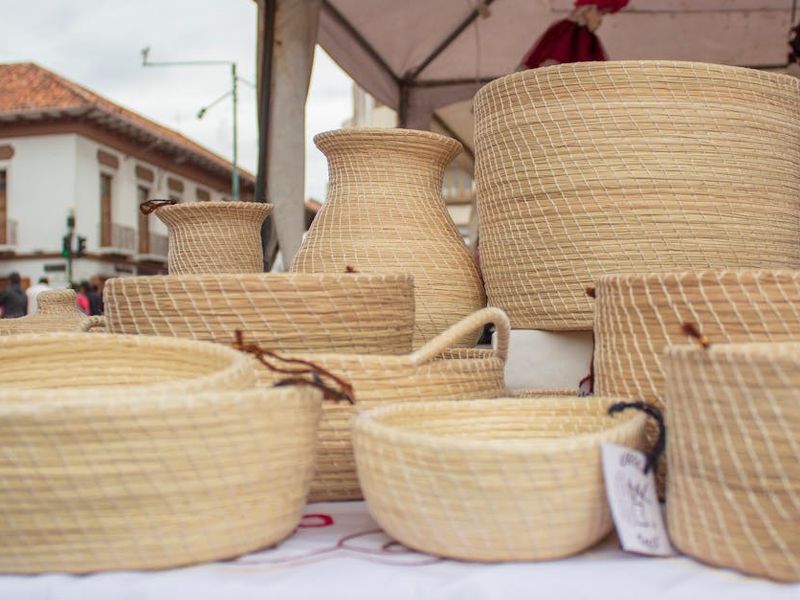
Cuenca’s calm rhythm makes it easy to recover without missing out. Consider gentle activities like riverside walks along the Tomebamba, visiting the city’s artisan markets, exploring the Parque Calderón, or enjoying nearby viewpoints for panoramic city views. Avoid strenuous hikes and high-altitude excursions immediately after oral surgery.
Final Checklist Before You Book
- Obtain a detailed written treatment plan and total cost breakdown
- Confirm clinician credentials and look for independent patient reviews
- Plan your time: allow buffer days for lab work and healing
- Arrange reliable local transportation for treatment days
- Get all post-op instructions in writing and a list of emergency contacts
Conclusion: Turning a Dental Trip into a Positive Experience
With thoughtful planning, clear communication, and realistic expectations, a dental trip to Cuenca can be both cost-effective and comfortable. Take time to research clinics, confirm materials and warranties, organize travel logistics, and prepare for recovery. Do this, and your trip can leave you not only with a great new smile but also with the memory of a beautiful, walkable Ecuadorian city where modern dentistry and cultural richness meet.