
Table of Contents
Why Cuenca Is a Top Choice for Dental Tourism
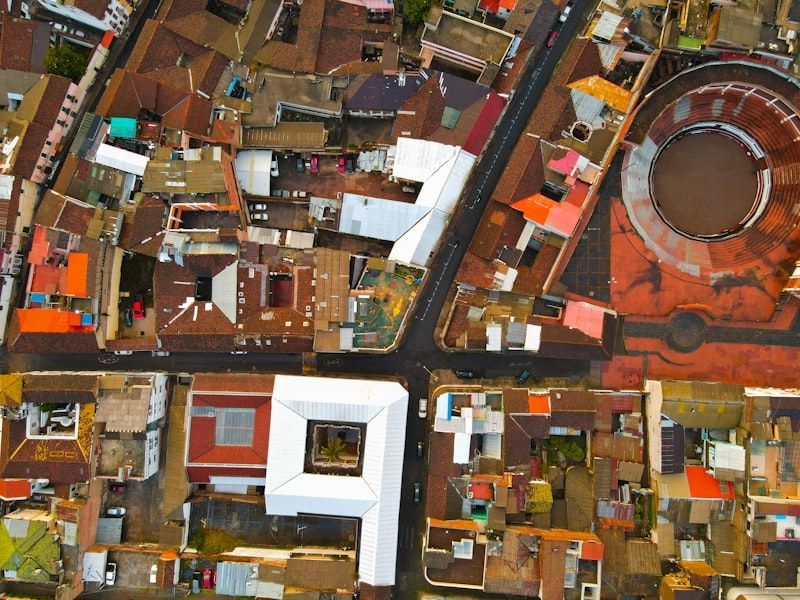
Cuenca, Ecuador, has become a magnet for dental travelers because it combines skilled dentists, modern clinics, and affordable prices in a charming, walkable colonial city. Situated at about 2,560 meters (8,400 feet) above sea level, the city’s historic center — with its stone plazas, red-tiled roofs, and vibrant markets — also puts you close to high-quality medical services. Many clinics cater specifically to international patients and offer English-speaking staff, digital imaging, and internationally recognized implant systems.
Before You Book: Practical Pre-Trip Steps
Preparation determines whether your dental vacation is smooth or stressful. Start by collecting your dental history, recent X-rays, and a list of current medications. Send those records to clinics in Cuenca for an initial assessment and cost estimate. Ask for a treatment plan with timeline, material brands, and a breakdown of fees.
Important documents and steps:
- Bring recent dental X-rays, or get a digital copy to email clinics ahead of time.
- Request CBCT scans if implants are under consideration — many Cuenca clinics have these in-house.
- Confirm your passport is valid for at least six months and check visa rules for Ecuador if your stay may extend beyond a typical vacation.
- Purchase travel insurance that covers medical evacuation and complications, and ask about dental-specific policies if you have complex treatment planned.
Choosing the Right Clinic in Cuenca
Cuenca’s dental services are concentrated around the historic center, near Parque Calderón, and along major avenues north of the city. When comparing clinics, consider the following checklist:
- Verify the dentist’s credentials and membership in local professional organizations.
- Ask whether the clinic uses international implant brands (for example, Straumann, Nobel, Zimmer) and where lab work is performed.
- Check for modern digital equipment: intraoral scanners, CAD/CAM milling, and CBCT imaging drastically improve outcomes and can shorten timelines.
- Request before-and-after photos of similar cases and patient references — many clinics will connect you with past patients or expat groups for feedback.
- Confirm language options: bilingual staff or translators make consultations and post-op instructions much easier.
Understanding Costs and What Determines Value
Costs in Cuenca are typically 40–70% lower than comparable treatment in the U.S., Canada, or Europe, but prices vary by material and procedure. Here are ballpark ranges (approximate USD):
- Dental crown (porcelain fused to metal or ceramic): $300–$800 in Cuenca vs $900–$2,000 in the U.S.
- Single implant (surgery plus implant fixture): $800–$1,800 vs $3,000–$6,000
- Implant crown (abutment + crown): $300–$700 vs $1,000–$2,500
- All-on-4 type solutions: $8,000–$15,000 depending on materials and fixed vs removable prostheses
Price alone shouldn’t dictate your choice. Real value comes from the combination of clinical skill, quality materials, and post-op care. Always ask: is the lab local? Who is making the restorations? Is there a warranty or guarantee, and what does it cover?
Timelines: How to Schedule Your Trip for Different Procedures
Your itinerary will depend on the complexity of the treatment. Here are common scenarios with suggested trip lengths:
- Simple crowns or fillings: 3–7 days (initial consult + crown milling/placement can be same-week if the clinic uses CAD/CAM).
- Single implant with delayed loading: 7–10 days for surgery and immediate post-op check; return trip for final crown in 3–4 months (or take temporary prosthetics back home and schedule the final crown later).
- Implant plus immediate load or All-on-4: 10–14 days to allow for surgery, adjustments, and short-term follow-ups — many clinics can complete temporary fixed prostheses before you leave.
- Full mouth rehabilitation: 2–3 visits spread over several months. Build extra rest days into each visit.
Ask the clinic whether they offer in-house labs and same-day crowns. Digital workflows (intraoral scanning + milling) can often produce permanent crowns in a single visit.
Where to Stay and How to Get Around
Staying in or near the historic center (around Parque Calderón) puts you within walking distance of cafés, pharmacies, and many clinics. Other popular neighborhoods include San Sebastián for a quieter colonial feel and the north side of the city for modern hotels and shopping.
Transportation tips:
- Cuenca is walkable in the center, which is helpful for short post-op walks and easy access to restaurants and pharmacies.
- Most clinics offer airport or hotel transfers; confirm whether pickups are included in your treatment package.
- Taxis are affordable and plentiful — carry small bills and confirm a price for longer trips. Many patients also hire private drivers for day trips to Turi or El Cajas.
Dining and Diet During Recovery
Cuenca’s restaurants are abundant and welcoming, with many menus in English. During the immediate recovery phase after extractions or implant surgery, choose soft, nutrient-dense foods. Local suggestions:
- Sopa de mani (peanut soup) blended to a smooth texture — hearty and common in Ecuadorian cuisine.
- Mash up llapingachos (potato patties) and avoid crunchy or hard fillings.
- Pureed vegetable soups, avocado, ripe bananas, and yogurt are widely available at local markets.
Avoid hot, spicy, or very crunchy foods for the first 7–10 days. Pharmacies are easy to find if you need additional pain medications or antibiotics prescribed by the clinic.
Post-Op Care, Follow-Up, and What to Watch For
Follow your dentist’s instructions closely and attend scheduled follow-ups. Common post-op instructions include:
- Use prescribed antibiotics and pain meds as directed.
- Keep the mouth clean with gentle rinses — saltwater rinses are often recommended starting 24 hours after surgery.
- Avoid strenuous activity for 48–72 hours and sleep propped up for the first nights if swelling occurs.
- Watch for signs of complication: persistent heavy bleeding, fever, severe swelling, or severe pain not relieved by medication; contact your clinic immediately.
Many clinics will provide a 24/7 emergency contact or coordinate with local hospitals if needed. If your treatment requires later prosthetic work, ask for a clear follow-up schedule and how they handle warranty claims from abroad.
Language, Culture, and Making Communication Easier
Spanish is the predominant language, though many dental clinics that serve international patients have bilingual staff and English-speaking dentists. Useful strategies:
- Learn key dental phrases (or use a translation app) to discuss pain, medications, and symptoms.
- Bring a printed copy of your treatment plan, consent forms, and contact numbers. A clear paper trail is helpful if you need follow-up care elsewhere.
- Tap into local expat communities for recommendations — online forums and Facebook groups focused on Cuenca expats are valuable sources of real-world feedback about clinics and living logistics.
Combining Care with Sightseeing: Suggested Itineraries
Cuenca offers the chance to mix rest and recovery with gentle sightseeing. Here are two sample itineraries depending on your treatment:
Short Visit — 5–7 Days (Crowns, Fillings, Minor Work)
- Day 1: Arrival, rest, short walk around Parque Calderón to adjust to altitude.
- Day 2: Clinic consult, imaging, and treatment plan confirmation.
- Day 3: Procedure (same-day crowns possible) and short recovery walk along Tomebamba River.
- Day 4: Follow-up check; visit Museo de las Conceptas or artisan markets.
- Day 5: Light sightseeing: Turi viewpoint, chocolate shops, and departure preparations.
Longer Visit — 10–14 Days (Implants, Multiple Restorations)
- Days 1–2: Arrival and consult; CBCT scan if needed.
- Day 3: Implant surgery or extractions; rest and immediate post-op care.
- Days 4–7: Recovery, light walks, short day trips to Cajas National Park (easy trails) or the Turi lookout.
- Days 8–11: Follow-ups and try-ins for prosthetics if applicable; final adjustments.
- Days 12–14: Buffer days in case of unexpected delays; final check and departure.
Budgeting, Payment, and Financial Safety Tips
Ecuador uses the U.S. dollar, which simplifies budgeting for North American visitors. Tips to avoid surprises:
- Request a detailed written estimate that lists every expected charge and potential add-ons (e.g., bone grafts, specialized abutments).
- Clarify payment methods — many clinics accept cash (USD), international credit cards, and bank transfers. Credit card payment may carry fees.
- Negotiate package pricing for multiple procedures — clinics often offer discounts for comprehensive treatments paid upfront.
- Retain receipts and treatment records; ask for warranties or written guarantees on prosthetics.
Safety, Legal Considerations, and Follow-Up at Home
Before committing, verify the dentist’s local license and inquire whether the clinic follows international sterilization standards. If you live abroad, ask your home dentist whether they’ll accept records for continuity of care. Consider scheduling a local follow-up appointment after you return home — many international patients arrange that with their regular dentist to monitor healing or finalize occlusion adjustments.
Packing List: Essentials for Your Dental Vacation
Make your recovery easier by packing:
- Prescription pain medication and antibiotics (if already prescribed by your home dentist).
- List of medications and allergies, plus a printed treatment plan and clinic contacts.
- Soft foods and blender-friendly snacks for the first few days.
- Travel pillow and comfortable clothing for post-op rest.
- Portable power adapter, translator app, and copies of your passport and insurance documents.
Final Advice: How to Maximize Value Without Cutting Corners
Cheap care can be tempting, but the true value of dental tourism in Cuenca comes from balancing cost savings with clinical quality and sensible planning. Do your homework, verify credentials, demand clear communication, and build a realistic itinerary that allows adequate recovery time. When clinics offer transparent pricing, high-quality materials, and reliable follow-up care, Cuenca can deliver outstanding dental results — and give you the chance to enjoy one of Ecuador’s most beautiful cities while you heal.
With the right preparation and a clinic you trust, your dental trip to Cuenca can be efficient, economical, and even enjoyable. Use the city’s relaxed pace to rest between appointments, explore local markets, and return home with a healthier smile and memories of a charming Andean city.
Adam Elliot Altholtz serves as the Administrator & Patient Coordinator of the “Smilehealth Ecuador Dental Clinic“, along with his fellow Expats’ beloved ‘Dr. No Pain‘, right here in Cuenca, Ecuador, and for purposes of discussing all your Dental needs and questions, is available virtually 24/7 on all 365 days of the year, including holidays. Adam proudly responds to ALL Expat patients from at least 7:00am to 9:00pm Ecuador time, again every single day of the year (and once more even on holidays), when you write to him by email at info@smilehealthecuador.com and also by inquiry submitted on the Dental Clinic’s fully detailed website of www.smilehealthecuador.com for you to visit any time, by day or night. Plus, you can reach Adam directly by WhatsApp at +593 98 392 9606 -or by his US phone number of 1‐(941)‐227‐0114, and the Dental Clinic’s Ecuador phone number for local Expats residing in Cuenca is 07‐410‐8745. ALWAYS, you will receive your full Dental Service in English (NEVER in Spanish), per you as an Expat either living in or desiring to visit Cuenca by your Dental Vacation, plus also to enjoy all of Ecuador’s wonders that are just waiting for you to come arouse and delight your senses.