
Table of Contents
Why regular dental check-ups matter more than you think
Many people view dental visits as something you do only when a tooth hurts. In reality, routine dental check-ups are a cornerstone of long-term health. Beyond preventing cavities and keeping your smile bright, dental visits detect problems early—when they’re easier and cheaper to treat—and can reveal signs of systemic health issues such as diabetes or hypertension. For expats and long-term residents of Cuenca, staying on top of dental care protects your budget and quality of life in a city where excellent, affordable dentistry is widely available.
How often should you see a dentist in Cuenca?
The classic answer is: every six months. This interval works well for most people because it allows hygienists to remove plaque and tartar before it leads to gum disease and cavities. However, the exact schedule should be individualized:
- Every 6 months: Most adults with healthy gums and low decay risk.
- Every 3–4 months: People with active periodontal (gum) disease or heavy plaque buildup.
- Annually: Low-risk adults with excellent oral health may be advised to come once a year after professional evaluation.
- Children: First visit by the first birthday or when the first tooth appears, then regular visits every 4–6 months if cavities are a concern.
- Pregnant people: At least one dental check early in pregnancy and additional visits as needed—pregnancy can increase gum inflammation.
Warning signs that you should book an appointment right away
Don’t wait for a scheduled checkup if you experience alarming symptoms. Make an appointment promptly if you notice:
- Toothache that lasts more than a day or is severe
- Swelling in your face or jaw, or a painful pimple-like bump on the gums
- Persistent bleeding or tender, receding gums
- New or persistent bad breath despite brushing and flossing
- Sensitivity to hot or cold that persists after stimulus is gone
- Loose teeth or changes in your bite alignment
What happens during a typical check-up in Cuenca?
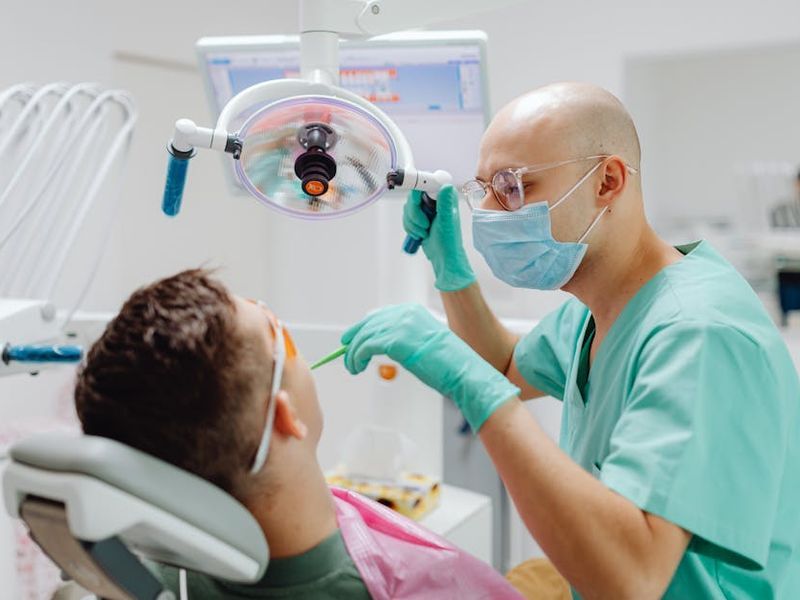
Dental clinics in Cuenca—whether private offices in the historical center or university dental clinics—follow a similar routine, adapted to individual needs. Expect the visit to include:
- A medical and dental history review, including medications and chronic conditions
- A clinical exam of teeth, gums, tongue, and soft tissues to spot decay, periodontal disease, or suspicious lesions
- Dental X-rays when needed to assess bone levels, hidden decay, or root issues (many practices use digital X-rays)
- A professional cleaning (scaling and polishing) to remove plaque and tartar
- Personalized oral hygiene advice and a treatment plan if restorative work is required
Understanding the types of dental services you may need
It helps to separate dental care into three broad categories so you can plan and budget accordingly:
- Preventive care: Exams, cleanings, fluoride applications, sealants, and patient education. These are the most cost-effective services.
- Restorative care: Fillings, crowns, bridges, and root canals to repair teeth damaged by decay or trauma.
- Periodontal and surgical care: Deep cleaning (scaling and root planing), gum surgeries, extractions, and implants for more advanced issues.
Costs and affordability in Cuenca: practical expectations
Ecuador uses the US dollar, which simplifies budgeting for expats. Dentistry in Cuenca is generally less expensive than in the U.S. or Canada, but prices vary by clinic and procedure complexity. Typical ranges you might encounter (ballpark figures) are:
- Routine check-up and cleaning: affordable and often very reasonable—many clinics offer this at a fraction of North American prices
- Fillings and simple restorations: modest costs compared with international prices
- Crowns, root canals, and implants: mid-range costs—more than a filling but often 40–60% less than in the U.S.
To save money without compromising quality, consider booking with university teaching clinics where supervised students perform care at reduced fees, or get quotes from multiple private practices in neighborhoods like the Centro Histórico or the quieter residential zones where many clinics are located.
Finding the right dentist in Cuenca: tips for expats
Choosing a dentist when you’re new to the city requires a mix of practical research and local advice:
- Ask fellow expats on local Facebook groups or forums for recommendations—these often include notes on English-speaking staff and customer service.
- Look for clinics near neighborhoods you frequent (El Centro Histórico, San Sebastián, or the newer neighborhoods around Avenida de las Américas) to make follow-up visits easy.
- Confirm the dentist’s credentials and whether the clinic follows modern sterilization protocols (autoclaves, single-use instruments where appropriate).
- Request to speak with staff about language needs—many dentists in Cuenca speak at least some English, especially those serving the expat community.
- Ask for an itemized treatment plan and cost estimate before work begins. Many dentists provide payment plans or accept credit/debit cards.
Dental insurance, public care, and paying out-of-pocket
If you’re covered by the Ecuadorian social security system (IESS), some dental services may be included or available at subsidized rates—check your specific plan for details. Private dental insurance or international health plans can also be useful for more complex procedures. Many expats choose to pay out-of-pocket because even full private fees in Cuenca are often affordable; always get written cost estimates for major work to avoid surprises.
Preventive habits that reduce the need for restorative work
Regular check-ups are part of a broader prevention strategy. Small daily habits have big long-term payoffs:
- Brush twice a day with fluoride toothpaste and a soft-bristled brush
- Floss daily or use interdental brushes to remove plaque between teeth
- Limit sugary snacks and acidic drinks; prefer water or tea
- Replace your toothbrush every 3–4 months or after illness
- Use a fluoride mouthwash if your dentist recommends it
- Attend professional cleanings and follow suggested recall intervals
Special considerations for expats: language, records, and continuity of care
As an expat, maintain continuity of care by bringing copies of your dental records, radiographs, and a list of past dental work when you change providers. Keep a digital folder of invoices and treatment plans in case you return to your home country or move elsewhere in Ecuador. If Spanish isn’t your first language, ask clinics ahead of time whether an English-speaking dentist or interpreter is available; many clinics catering to foreigners can accommodate this request.
What to ask at your first appointment
Being prepared helps you get the most from a check-up. Consider asking:
- What is my current oral health status and main concerns?
- Do I need X-rays today, and why?
- What are the treatment options, timelines, and costs for each?
- Are there minimally invasive alternatives and what are the tradeoffs?
- What follow-up care or prevention should I adopt?
When serious issues are found: getting a second opinion
If you’re recommended complex or costly procedures such as multiple implants or extensive crowns, don’t hesitate to request a second opinion. Cuenca has a range of clinics from small family practices to larger multi-specialty centers, so you can compare approaches and price estimates. A second opinion can provide peace of mind and sometimes a less invasive option.
How dental health affects overall health
Untreated oral infections can influence general health. Research links periodontal disease with conditions such as poorly controlled diabetes, cardiovascular disease risk, and complications in pregnancy. Regular dental check-ups help manage inflammation and bacterial load in the mouth, which supports overall health—an important consideration for those managing chronic conditions while living abroad.
Final checklist: booking your next dental visit in Cuenca
Before you head to the clinic, use this quick checklist:
- Find a clinic near your home or workplace with good reviews and clear communication about costs
- Bring ID, list of medications, and any prior dental records or X-rays
- Confirm payment methods and whether insurance or IESS is accepted
- Ask about sterilization and X-ray protocols for your peace of mind
- Schedule follow-up or cleaning appointments before you leave the office
Regular dental check-ups are one of the smartest health investments you can make—especially in a city like Cuenca where accessible, high-quality care is available for expats and locals alike. By keeping a routine, recognizing warning signs early, and choosing a clinic that meets your language and budget needs, you’ll protect both your smile and your overall health for years to come.
Quick resources
Local expat groups and online community boards are an excellent place to start when searching for recommendations, and university dental clinics can offer reduced-cost care under supervision. If you have a chronic condition or are pregnant, let your dentist know—dental timing and treatment choices may differ. Make your health a priority: schedule your next check-up today.