
Table of Contents
t to expect day-to-day
Cuenca’s tempo is the result of history, geography and culture. The historic center — a UNESCO World Heritage site — encourages walking and lingering. The city sits at about 2,560 meters (≈8,400 ft) above sea level, creating cooler, steady weather that supports outdoor cafés, riverside promenades, and slower mornings. Once you recognize the patterns, it becomes easier to plan your life around them.
Punctuality and “hora ecuatoriana”
Many locals follow a relaxed approach to time that visitors call “hora ecuatoriana.” That doesn’t mean people are careless, but meetings, casual gatherings and some small businesses can run 10–30 minutes late. For important appointments — government visits, medical consults, or bank meetings — arrive on time or early and confirm by phone the day before.
Midday pauses and business hours
Some small shops and services close for a midday break (roughly 1–3pm), especially in quieter neighborhoods. Larger supermarkets and modern centers stay open, but your favorite boutique or bakery might be shuttered during siesta hours. It’s smart to do errands in the morning or late afternoon.
Craft a routine that embraces the calm
Adapting doesn’t mean giving up productivity. It means designing a routine that uses Cuenca’s tempo to your advantage. Start with simple anchors:
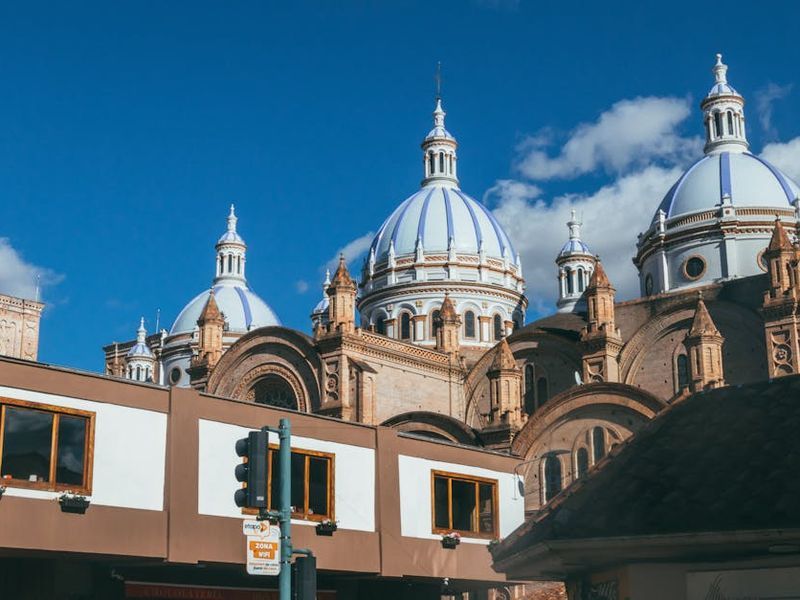
- Morning: Walk along the Tomebamba River or through the Parque Calderón to wake up gently and enjoy the city’s architecture, including the cathedral’s blue domes.
- Midday: Schedule light errands or a relaxed lunch — try pan de yuca and a local coffee — and allow time for slow conversation with neighbors or shopkeepers.
- Afternoon: Reserve focused work for coworking spaces or cafés with reliable Wi‑Fi; avoid blocking critical tasks during midday closures.
- Evening: Take a stroll through the historic center or join a language class, book club, or community group to cultivate relationships.
Where to slow down: parks, rivers, and day trips
Cuenca’s public spaces are built for unhurried enjoyment. Make them part of your weekly rhythm to feel grounded.
Parque Calderón and the Historic Center
Start at the city’s heart — the Plaza Calderón — and sit with a cup of coffee as the city wakes. The surrounding streets invite wandering, artisan shops, and frequent outdoor performances. The cathedral’s plazas are ideal for people-watching and relaxed reading sessions.
Tomebamba River walks
The riverbanks, with their promenades and small gardens, are natural spots to decompress. Bring comfortable shoes and a camera; architects and poets alike have long found the river’s bridges and views meditative.
El Cajas National Park
One of the best antidotes to urban bustle is a day in El Cajas — a highland park less than an hour’s drive from Cuenca. Its lakes, páramo ecosystems, and short hikes offer cool air, wide horizons and quiet. Plan for layers, because weather can change quickly at altitude.
Food, rituals and small pleasures to savor
Food is one of Cuenca’s easiest invitations to slow down. Meals are often unhurried, communal affairs — perfect for practicing patience.
Local dishes worth lingering over
- Locro de papa: a creamy potato soup that’s comforting on cooler days.
- Hornado: slow-roasted pork served with hominy and salad at neighborhood markets.
- Pan de yuca and fresh coffee: a morning ritual in many cafes.
- Helado de paila: hand-churned sorbet sold at streetside stands — great for sharing while walking.
Try visiting the central markets and neighborhood panaderías to build a slow-food routine: buy bread, chat with the vendors, and eat where locals eat.
Make social life part of your adjustment
Cuenca’s social fabric is warm and multi-layered. To feel less isolated and more rooted, invest in relationships with locals and fellow expats.
Language and connection
Even basic Spanish unlocks deeper social interactions. Enroll in a small, conversation-focused Spanish class or find a language exchange partner. Locals appreciate even modest efforts at Spanish and are usually patient and encouraging.
Where to meet people
Join activities like walking groups along the river, art workshops, volunteer programs, or community dance classes. Expats also form active online networks and informal meetups; use local Facebook groups and notice boards in cafés to find events.
Practical tips for living comfortably
Embracing the relaxed lifestyle doesn’t mean ignoring practicalities. Here are concrete, place-specific tips to reduce friction in daily life.
Transport and getting around
Cuenca is very walkable in the historic center. For longer trips, use buses, taxis or ride-share apps when available. Keep small change for buses and be patient during peak hours when traffic can slow down.
Internet and work
Many cafés offer Wi‑Fi, but speeds vary — if you rely on stable connectivity, consider a coworking space or a local internet provider with a wired plan. Having a mobile hotspot as a backup is a smart fail-safe.
Healthcare and insurance
Cuenca has reputable public and private clinics and hospitals. For serious procedures, many expats choose private clinics for quicker service and English-speaking staff. Carry travel or international health insurance until you are sure of local options and enrollment procedures.
Banking and paperwork
Bank lines and bureaucratic processes can be slower than you expect. Bring all required documents, arrive early, and allow extra time for appointments related to residency, driver’s licenses, or property transactions.
Mental habits to cultivate
Beyond routines and logistics, shifting mindset is central to adapting. These mental habits help you enjoy Cuenca rather than fight it.
Practice intentional patience
Reframe delays as chances to observe the city, read, or connect. Use waiting time as micro-breaks instead of stress triggers.
Schedule tech-free windows
Set daily or weekly periods without screens. Use that time for long walks, journaling, or visiting a museum like Pumapungo to absorb local history and arts without distractions.
Find slow hobbies
Pick up pastimes that match the pace: photography, watercolor, language study, gardening on a balcony, or learning to weave or craft with local artisans.
Common adaptation pitfalls and how to avoid them
Even with the best attitude, newcomers stumble. Here are frequent mistakes and practical fixes.
- Expecting immediate efficiency: For interactions with government offices or smaller businesses, add buffer time and confirm appointments.
- Over-scheduling: Resist packing your calendar full. Leave blank space to handle spontaneous social invitations or unplanned closures.
- Staying inside with other expats: Balance social circles — mix local friends with expat acquaintances to deepen cultural understanding.
- Neglecting health at altitude: Drink water, take it easy for the first few days, and watch for signs of altitude fatigue when hiking or doing strenuous activities.
Quick checklist: 12 practical steps to settle in
- Learn basic Spanish phrases and greetings.
- Establish a morning walk routine along the Tomebamba or Parque Calderón.
- Book important appointments in the morning and confirm them a day ahead.
- Carry small change and local cash for markets and buses.
- Try one new neighborhood restaurant or bakery each week.
- Join a local class or volunteer group to meet neighbors.
- Use coworking spaces if you need guaranteed Wi‑Fi for work.
- Visit El Cajas within the first month to reconnect with nature and adjust perspective.
- Keep an umbrella and layered clothing for quick weather changes.
- Bring patience to bureaucratic processes and plan extra time.
- Set aside tech-free evenings for reading or walking.
- Explore artisan markets to find slow-made goods and support local craftspeople.
Final thoughts: patience cultivated becomes peace
Adapting to Cuenca’s relaxed lifestyle is less about surrendering productivity and more about selecting what matters. When you intentionally build routines that align with the city’s rhythm — choosing morning walks, leisurely meals, and community connections — you’ll find a different kind of efficiency: one that preserves energy, deepens relationships, and supports well-being.
If you arrive with curiosity, an open schedule, and a handful of local Spanish phrases, Cuenca will reward you with a steadier pace and a richer sense of everyday life. Embrace the calm as a resource, not an obstacle. Over time, you may find that slowing down here teaches you how to live more fully, wherever you are.
Adam Elliot Altholtz serves as the Administrator & Patient Coordinator of the “Smilehealth Ecuador Dental Clinic“, along with his fellow Expats’ beloved ‘Dr. No Pain‘, right here in Cuenca, Ecuador, and for purposes of discussing all your Dental needs and questions, is available virtually 24/7 on all 365 days of the year, including holidays. Adam proudly responds to ALL Expat patients from at least 7:00am to 9:00pm Ecuador time, again every single day of the year (and once more even on holidays), when you write to him by email at info@smilehealthecuador.com and also by inquiry submitted on the Dental Clinic’s fully detailed website of www.smilehealthecuador.com for you to visit any time, by day or night. Plus, you can reach Adam directly by WhatsApp at +593 98 392 9606 -or by his US phone number of 1‐(941)‐227‐0114, and the Dental Clinic’s Ecuador phone number for local Expats residing in Cuenca is 07‐410‐8745. ALWAYS, you will receive your full Dental Service in English (NEVER in Spanish), per you as an Expat either living in or desiring to visit Cuenca by your Dental Vacation, plus also to enjoy all of Ecuador’s wonders that are just waiting for you to come arouse and delight your senses.