
Table of Contents
Welcome to Cuenca: Why the Pace Feels Different
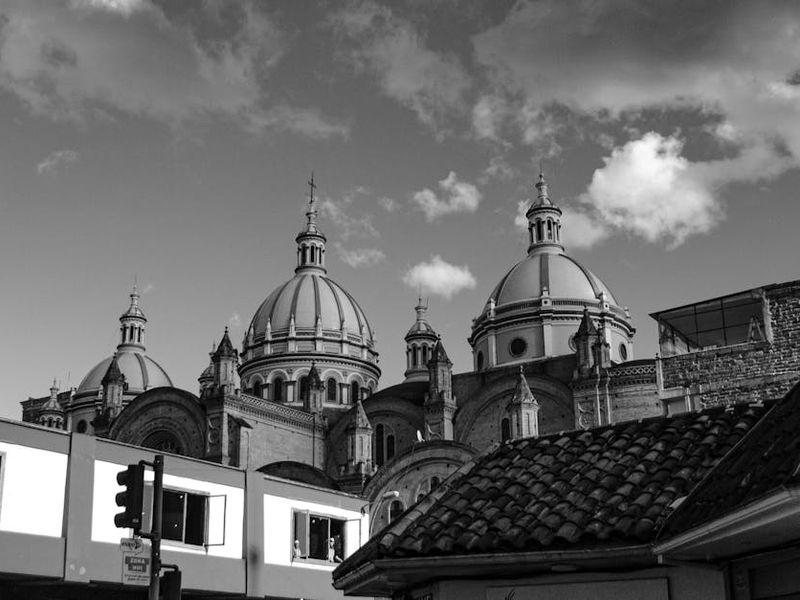
Cuenca, Ecuador’s UNESCO‑listed jewel in the southern Andes, rewards those who slow down. Between the cathedral domes, riverside promenades and cobblestone streets, life moves at a gentler tempo than many large cities. That relaxed rhythm is one of Cuenca’s greatest appeals — but it can feel strange when you’re used to fast‑paced routines. This guide gives practical, local‑specific strategies to help you transition smoothly, enjoy the city’s calm, and build a daily life that feels both productive and peaceful.
Understand What “Relaxed” Means Locally
Before changing habits, it helps to know what to expect. Cuenca’s relaxed lifestyle shows up in several ways: slower customer service, shops that close at midday, long family lunches, regular public events, and a strong communal life in plazas and parks. The city’s elevation (around 2,500–2,600 meters) and springlike climate influence energy levels too — mornings can be bright and brisk, afternoons often warm and mellow.
Key landmarks that shape daily life
- Parque Calderón and the twin cathedrals — the social heart of the Historic Center
- Tomebamba River walkways — popular for morning and evening strolls
- Museo Pumapungo and nearby markets — cultural hubs and places to mingle
- Mirador de Turi — a quiet spot for panoramic reflection
Adopt a Local Tempo: Practical Daily Adjustments
Newcomers often try to keep their old pace and then get frustrated. Instead, accept minor delays and adjust your expectations. Here are simple habits to adopt:
- Build buffer time into appointments — restaurants, municipal offices, and some shops can run late.
- Plan errands for mornings when many places open and service tends to be quicker.
- Schedule intensive work blocks in the morning; use afternoons for lighter tasks or socializing.
- Embrace walking. The Historic Center is wonderfully walkable — you’ll notice more and stress less when you aren’t rushing between short taxi rides.
Example morning routine for adapting to Cuenca
Start with an early paseo along the Tomebamba River, enjoy a light breakfast at a local panadería, handle important tasks mid‑morning, and leave afternoons for coffee with friends or a slow visit to a museum. This pattern respects the city’s pace while keeping your productivity intact.
Learn the Language and Cultural Cues
Spanish is the key to feeling at home. Even basic conversational Spanish changes how people respond to you and often speeds up everyday interactions. Language classes, neighborhood intercambio (language exchange) groups, and volunteer opportunities are easy ways to practice.
Nonverbal and social tips
- Greet shopkeepers with a friendly “buenos días” before starting a transaction.
- Respect mealtimes — long lunches are common; join in rather than try to rush others.
- Accept invitations to plazas, local fiestas, markets or art openings — these are where community life happens.
Find Your Neighborhood and Create a ‘Slow’ Home Base
Choosing the right neighborhood can profoundly impact how easily you adjust. If you like being in the middle of activity, the Historic Center puts you steps from markets, cafés, and cultural venues. If you prefer quieter mornings, consider riverside barrios or newer suburbs where green spaces and modern amenities are more common.
Home base checklist
- Proximity to a market or grocery store for fresh produce
- Walkability to a park or riverside for daily exercise
- Access to reliable internet and coworking spaces if you work remotely
- Close to a clinic or pharmacy for peace of mind
Food, Markets and Eating Like a Local
One of the best ways to embrace Cuenca’s ease is through its food culture. Mornings in small cafés, wandering a farmers’ market for fresh fruits and vegetables, and lingering over a hearty lunch are local rhythms. Look for community markets early in the day — they offer fresh produce, local cheeses, and prepared foods that are both inexpensive and delicious.
Foods to sample and where to find them
- Try locro de papas (potato and cheese soup) and hornado (slow‑roasted pork) at local eateries.
- Visit neighborhood panaderías for freshly baked bread and breakfast pastries.
- Sample fresh fruit juices and seasonal produce from market sellers near central plazas.
Health, Altitude and Wellness
Cuenca’s altitude and climate make basic wellness a priority. Newcomers sometimes experience mild altitude effects — lightheadedness or shortness of breath — which usually subside within a few days if you pace yourself.
Practical health tips
- Hydrate more than usual and use sunscreen — UV intensity is higher at altitude.
- Take it easy on vigorous exercise for the first few days; give your body time to adjust.
- Find a local clinic or private practice near you; expats often recommend establishing a relationship with a physician for routine healthcare.
- Consider dental and vision checkups — Cuenca has several reputable private clinics with international standards.
Transportation: Move Slowly and Smart
Getting around Cuenca is part of the experience. The Historic Center is compact enough for walking. For longer distances, buses are inexpensive and taxis plentiful. Allow extra time for travel and avoid peak hour bottlenecks on the main bridges and avenues.
Transport tips
- Walk when possible — it’s the easiest way to absorb the city and decompress.
- Use taxis for late evenings or when carrying heavy shopping — agree on a fare if the meter isn’t used.
- Explore bike options and riverside paths; biking is increasingly popular for short commutes.
Build Community: Social Habits for a Calmer Life
Cuenca’s social life is built around plazas, churches, art spaces, and weekend markets. To cultivate a sense of belonging and ride the slow wave rather than fight it, invest time in local groups and routines.
Ways to connect
- Join a language exchange or art class — these often happen in neighborhood cultural centers.
- Volunteer at a local nonprofit or cultural festival; it’s a fast track to friendships.
- Attend neighborhood meetings or farmers’ markets regularly — familiarity breeds comfort.
Handle Bureaucracy with Patience and Structure
Administrative tasks — banking, residency paperwork, municipal services — may take longer than you expect. Organize documents, translate important papers ahead of time, and schedule appointments early in the day. Bring snacks and a patient attitude; bureaucratic procedures can be slower but are usually straightforward with persistence.
Bureaucracy survival tips
- Keep originals and certified copies of vital documents in a secure folder.
- Make appointments online where possible, but arrive early in case of delays.
- Ask locals or expat community groups for recommended service providers and translators.
A 30‑Day Plan to Settle In and Embrace the Rhythm
Use this month‑by‑month approach to intentionally shift into Cuenca’s tempo.
Week 1 — Observe and slow down
- Walk your neighborhood daily, visit the river and Parque Calderón, and note opening hours of shops and services.
- Introduce yourself to neighbors and shopkeepers; small pleasantries open doors.
Week 2 — Establish routines
- Set a weekly schedule: a market day, a cultural outing, a day for errands, and at least one social event.
- Find a favorite café and a regular panadería — small anchors help you feel settled.
Week 3 — Connect and contribute
- Join an intercambio, volunteer, or start a hobby group in a park — consistent social ties accelerate adjustment.
- Investigate healthcare providers and register with a local clinic if needed.
Week 4 — Reflect and refine your pace
- Assess what’s working: are you happier with a slower schedule? Where do you still feel frustrated?
- Make small changes — shift errands to mornings, reduce digital distractions, and schedule more outdoor time.
Dealing with Challenges: When Slow Becomes Frustrating
There will be moments when the relaxed pace conflicts with deadlines or health needs. In those cases, use practical strategies: prioritize tasks, use coworking spaces for focused work, and hire local services for time‑sensitive jobs (e.g., translation, legal help). If bureaucracy stalls a process, escalate politely and seek help from an experienced local or expat adviser.
Keep the Best of Two Worlds
Adjusting to Cuenca doesn’t mean giving up productivity or modern conveniences. It’s about choosing which faster habits to keep and which ones to slow down. Many expats blend the best of both: mornings of disciplined work, afternoons for walking, and evenings enjoying the city’s comfortable social fabric.
Final Thoughts: Embrace Curiosity and Patience
Cuenca’s relaxed lifestyle is an invitation to live with more presence. Use the city’s parks, plazas, and cultural calendar to discover slower pleasures — afternoon coffees, unhurried conversations, and long walks along the Tomebamba. With intentional habits, a small investment in language and community, and a willingness to adapt, you’ll find Cuenca’s tranquil pace not only manageable but deeply rewarding.
Ready to try it? Start with one slow habit this week: skip one rushed errand and take a 30‑minute walk instead — your adjustment begins one small choice at a time.