
Table of Contents
Why Cuenca’s Pace Feels Different — and Why That’s a Gift
Moving to Cuenca, Ecuador means stepping into a city that rewards patience. Nestled at about 2,560 meters (8,400 feet) in the southern Andes, this UNESCO-listed center blends colonial charm, tree-lined avenues and three rivers that gently carve the city. Compared with fast-paced urban centers, Cuenca’s tempo is quieter: fewer sirens, more time for a long coffee, and business hours that sometimes slow in the mid-afternoon. For many newcomers this relaxed cadence is a relief — for others it’s an adjustment. The key is learning to ride the rhythm rather than fight it.
First Steps: Set Up Smart and Reduce Friction
Start with practical moves that give you breathing room. These actions reduce day-to-day stress and make the city’s unhurried pace feel intentional rather than frustrating.
- Find housing in the right neighborhood. If you want walkable convenience and a lively cultural scene, look in the Historic Center where cafés, markets and cathedral steps are minutes away. For quieter residential life with easy access to parks and supermarkets, explore adjacent barrios. Visit areas at different times of day to sense the local tempo.
- Line up healthcare and insurance. Cuenca has reputable private clinics as well as public hospitals. Research options ahead of time and consider private insurance while you learn the system. Keep a short list of English-speaking doctors from expat groups.
- Open a local bank account. Having a local account speeds payments and reduces currency hassles. Bring your passport, proof of address and residency paperwork. Banks can be slow: bring patience and several copies of documents.
- Create an essential-contact list. Include embassy contacts, local emergency numbers, your landlord, a reliable taxi dispatcher and neighbors. In a relaxed city, a quick phone call often solves what would be an online ticket in larger metros.
Adapting Your Daily Rhythm
Cuenca’s daily flow often centers around community and relaxed meal times. Here are ways to align your routine to local patterns without losing your own productivity.
- Shift to a flexible schedule. Many services slow slightly in the mid-afternoon; restaurants and government offices may have reduced hours between about 1–3 pm. Plan bank visits, bureaucratic errands and appointments for mornings when possible.
- Embrace morning walks. With a mild climate and spectacular light at dawn, locals often enjoy early strolls along the Tomebamba river or to Parque Calderón. Incorporate a morning walk to start the day calmly.
- Build in longer coffee breaks. Cafés are social hubs. Use a relaxed coffee as a break for language practice, email, or to meet neighbors — this supports well-being and integration.
- Work with natural rhythms. If you’re remote-working, schedule focused work blocks in the morning and late afternoon and use quieter mid-afternoon hours for low-concentration tasks or local errands when things open again.
Language and Cultural Cues: Small Changes, Big Returns
Learning Spanish and local etiquette fast-tracks comfort. Even basic phrases and cultural awareness open doors and speeds service in a city where relationships matter.
- Learn polite greetings. Saying “buenos días” and “gracias” goes a long way. Use formal ‘usted’ with older people or in initial interactions until you’re invited to use the more familiar form.
- Practice with neighbors and sellers. Markets, corner stores and street vendors are friendly practice spaces. A simple compliment about produce or a short question builds rapport and leads to better service.
- Attend language exchanges. Cuenca has active meetups and informal exchanges at cafés. These are excellent for making local and expat friends simultaneously.
Getting Around: Practical Transport Tips
Cuenca’s compact center makes walking pleasant and practical, and local transport options suit a relaxed pace of life.
- Walk when you can. The historical core is highly walkable; exploring on foot reveals hidden patios, artisan ateliers and riverside promenades.
- Use taxis for convenience. Taxis are abundant and inexpensive compared with many Western cities. When possible, use reputable radio taxi services or apps; if hailing on the street, agree on the fare or ensure the driver uses the meter.
- Consider a bike for short hops. Gentle hills and designated lanes make cycling an enjoyable option for many. Start with short rides and avoid busy hours.
- Public buses are an affordable option. They stop frequently but can be crowded; keep small change handy and avoid rush hours if you prefer a relaxed commute.
Social Life: Building Community Without Rushing
Cuenca’s social scene favors quality over quantity. Locals value meaningful connections; newcomers who focus on regular, small interactions settle in fastest.
- Join a weekly activity. Language classes, dance (salsa or bachata), yoga or walking groups provide structured ways to meet people and anchor your week.
- Volunteer. Nonprofits and community organizations welcome help — volunteering connects you with locals and other expats while giving immediate local perspective.
- Explore craft towns nearby. Day trips to Chordeleg (jewelry) or Gualaceo (textiles) introduce you to regional artisans and community markets.
- Make cafés your office on slow afternoons. Work-from-café days double as social research: you’ll overhear conversations, discover events and notice which places attract neighbors.
Shopping, Markets and Food: Enjoy Slower, Fresher Options
One of Cuenca’s pleasures is fresh produce and hand-made goods. Markets and neighborhood stores are social spaces; learning their rhythms gets you better food and better friendships.
- Buy seasonal produce. Local mercados offer fresh fruits, vegetables and grilled street foods at very good prices. Mornings are best for selection.
- Bring small bills and coins. Vendors appreciate precise change, and bargaining culture is gentle — a polite question or two is enough where negotiation is acceptable.
- Try neighborhood panaderías and cafeterías. These small bakeries often become favorite spots for coffee and conversation; staff remember regulars and help you practice Spanish.
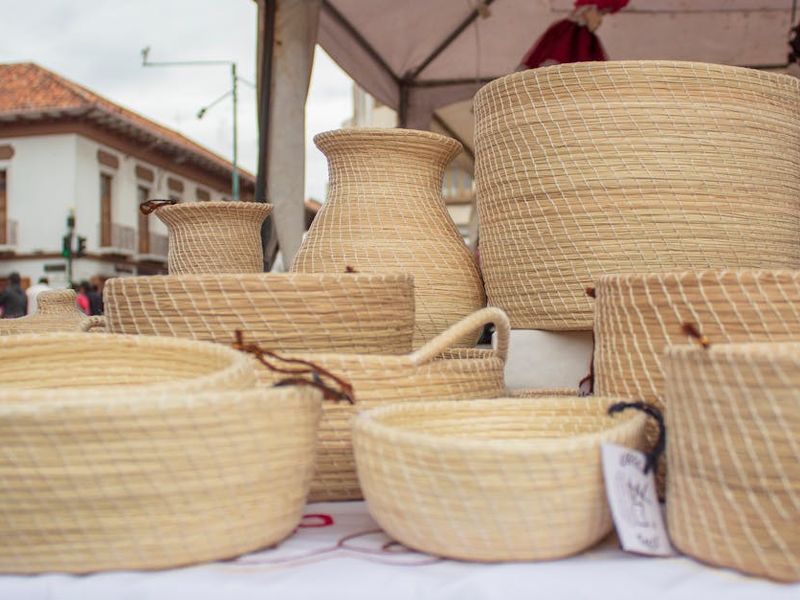
- Support artisans. Look for local workshops producing handwoven textiles, ceramics and hats. Buying directly from artisans is a great way to learn about craft traditions and support the local economy.
Healthcare, Pharmacies and Wellness
Health in Cuenca is accessible and affordable compared to many countries, but navigating the system requires a small learning curve.
- Find a primary care doctor early. Ask expat forums for recommendations about English-speaking physicians and clinics. Establishing a relationship with a doctor speeds appointments.
- Understand prescriptions. Many medications are available over the counter, but some require a doctor’s prescription. Keep digital copies of important medical records.
- Invest in private insurance. While public healthcare is available, private plans offer shorter wait times and access to specialists.
- Embrace outdoor fitness. Regular walks in parks or hikes in nearby Cajas National Park support physical and mental adjustment.
Bureaucracy and Practical Paperwork
Administrative procedures move in their own rhythm here: thorough but rarely urgent. The best approach combines preparation with patience.
- Bring originals and copies. Agencies ask for paper documentation. Carry certified copies and keep a folder with essential documents.
- Use a gestor for residency or complex matters. A local agent speeds the process and handles details you might miss. Get recommendations from expats or embassies.
- Book appointments early. Clinics and offices often have limited slots; planning avoids last-minute stress.
Seasonal and Packing Tips for Cuenca’s Highland Climate
Cuenca’s weather is famously mild but variable. A few wardrobe and gear decisions make day-to-day life easier.
- Layer up. Bring a light waterproof jacket, a fleece for evenings and breathable shirts for daytime. Temperature swings are common.
- Sunscreen and a hat. High altitude means stronger UV exposure even when the air feels cool.
- Comfortable shoes. Cobbled streets in the historic center reward good footwear.
- Adapters and backup connectivity. Reliable internet is available but occasional outages happen. A local SIM with data and a portable battery bank are excellent backup items.
Money Matters: Stretch Your Budget, Expect Surprises
Living costs in Cuenca are generally lower than in North America or Europe, but lifestyle choices and imported goods can change that math. Plan accordingly:
- Eat locally. Fresh market produce, local breads and street food keep food bills down and connect you to daily life.
- Budget for imports. Specialty foods, international brands and certain electronics are pricier — plan for occasional splurges.
- Use cash for small purchases. Many small vendors and taxis prefer cash. Keep smaller denominations to avoid awkward change situations.
Staying Safe and Comfortable
Cuenca is considered one of Ecuador’s safest cities, but ordinary urban precautions apply. Keep your neighborhood awareness and follow a few simple rules:
- Guard your belongings. Pickpocketing can happen in crowded places. Use a cross-body bag and keep valuables secure.
- Use trusted taxi services at night. Prefer phone or app-dispatched taxis when returning late, and share ride details with friends or family.
- Trust local advice. Neighbors and longtime residents are your best source for practical safety suggestions and reliable service providers.
Final Mindset: Patience, Curiosity and Small Steps
Adapting to Cuenca’s relaxed lifestyle is more about mindset than logistics. Expect that things will sometimes take longer than you’re used to — a repair, a permit, or a less-than-perfect translation at the pharmacy. Turn those moments into opportunities to practice patience and curiosity. Learn a phrase, ask about a recipe, or strike up a conversation with a neighbor. Over time, the slower pace will feel restorative, offering you space to notice details — the way the light hits the cathedral domes at sunset, the rhythm of market mornings, or the friendly call of a regular barista who remembers your order.
Quick Checklist to Start Living the Cuenca Way
- Secure housing and meet neighbors in your first week.
- Register with local expat groups and a language exchange.
- Choose a primary care doctor and identify a nearby pharmacy.
- Set up a local bank account and carry small cash.
- Plan errands for mornings and create a flexible work schedule.
Cuenca offers a rare mix of cultural richness, natural beauty, and a comfortable, measured pace. With a little planning and an open mind, you’ll find the city’s relaxed rhythm not as a compromise but as a gift: more time to savor good coffee, build friendships, and enjoy the everyday beauty of life in the Andes.
Adam Elliot Altholtz serves as the Administrator & Patient Coordinator of the “Smilehealth Ecuador Dental Clinic“, along with his fellow Expats’ beloved ‘Dr. No Pain‘, right here in Cuenca, Ecuador, and for purposes of discussing all your Dental needs and questions, is available virtually 24/7 on all 365 days of the year, including holidays. Adam proudly responds to ALL Expat patients from at least 7:00am to 9:00pm Ecuador time, again every single day of the year (and once more even on holidays), when you write to him by email at info@smilehealthecuador.com and also by inquiry submitted on the Dental Clinic’s fully detailed website of www.smilehealthecuador.com for you to visit any time, by day or night. Plus, you can reach Adam directly by WhatsApp at +593 98 392 9606 -or by his US phone number of 1‐(941)‐227‐0114, and the Dental Clinic’s Ecuador phone number for local Expats residing in Cuenca is 07‐410‐8745. ALWAYS, you will receive your full Dental Service in English (NEVER in Spanish), per you as an Expat either living in or desiring to visit Cuenca by your Dental Vacation, plus also to enjoy all of Ecuador’s wonders that are just waiting for you to come arouse and delight your senses.