
Table of Contents
Why Cuenca’s pace feels so different
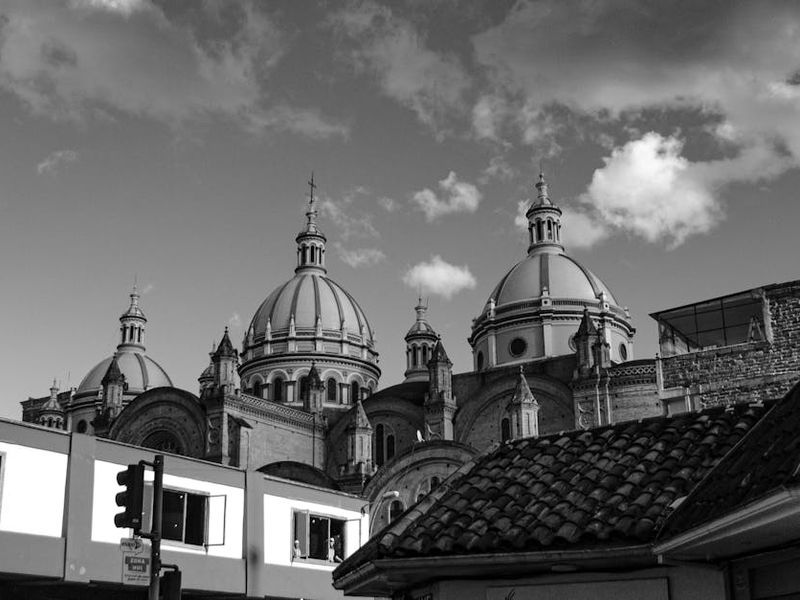
Cuenca’s relaxed tempo is part landscape, part culture. Nestled high in the Andes, surrounded by riverwalks and colonial plazas, the city invites slower days. The historic center’s cobblestone streets, the gentle flow of the Tomebamba River, and the painted domes of the New Cathedral create an atmosphere that naturally cools hurried impulses. For many newcomers used to fast-moving cities, this calm can be a balm — or a source of frustration. The key is learning how to move with the city, not against it.
Set realistic expectations from day one
Newcomers often expect services and schedules to mirror those in larger North American or European cities. In Cuenca, though, many things run on a different clock. Government offices and some small shops may close for mid-day breaks, utility paperwork can take longer, and appointments may start late. Rather than fight these rhythms, plan around them. Block your mornings for administrative tasks, and keep afternoons open for exploring, coffee dates, or slower errands.
Practical tips for daily life
Adopting small routines will make the transition smoother. Here are practical adjustments that help people settle quickly:
- Morning-first mindset: Do bank visits, residency paperwork, and medical appointments in the morning when possible — most public services operate best early.
- Carry cash: Ecuador uses the US dollar. While many places accept cards, smaller markets and neighborhood vendors prefer cash.
- Flexible scheduling: Leave buffer time when meeting people or booking services — social events are often casual about start times.
- Build a local contact list: Find a trusted taxi driver, a neighborhood pharmacy, and a bilingual contact who can help translate or navigate paperwork.
- Learn essential Spanish phrases: Polite, simple Spanish goes a long way with locals and opens doors to friendships and faster solutions.
Handling bureaucracy without frustration
Bureaucracy in Cuenca moves at its own pace, but it is manageable with preparation. Bring multiple copies of documents, certified translations if required, and both your passport and local ID when available. Many expats recommend starting immigration or residency processes early and keeping a calendar with renewal dates. If a process stalls, a calm phone call or an in-person visit usually helps more than a flood of emails. Local expat groups and legal advisors can point you to the right municipal offices (Municipio de Cuenca) and reliable translators.
Health, altitude, and staying comfortable
Cuenca sits at about 2,560 meters (8,400 feet). For most people this leads to mild symptoms: breathlessness on steep climbs, slight fatigue, and sleep changes. Simple strategies ease the transition:
- Hydrate well, especially during the first week.
- Avoid strenuous exercise for the first 48–72 hours.
- Use sunscreen and lip balm — UV is stronger at altitude.
- Keep a light jacket handy; mornings and evenings are cooler than midday.
Cuenca offers good healthcare options. There are reputable public hospitals and a number of private clinics and specialists in the city center and surrounding neighborhoods. Know where the nearest clinic is to your neighborhood, and consider obtaining international health insurance if you plan to stay long-term.
Where to live: neighborhoods that match a slower lifestyle
Cuenca’s neighborhoods each have a distinct feel. The historic center is walkable and rich in cultural life — ideal if you want cafes, museums (like Museo Pumapungo), and river promenades close by. Neighborhoods just beyond the historic core offer quieter residential streets and local markets, while providing easy access to the city’s heart. When apartment hunting, prioritize proximity to the things you use most: a market, a pharmacy, and reliable transport routes.
Daily comforts: food, markets, and cafés
One of Cuenca’s pleasures is how accessible fresh food is. Local mercados and neighborhood vendors offer seasonal produce, Andean tubers, fresh breads, and daily-made soups. Enjoying meals slowly is part of the lifestyle — an invitation to connect with neighbors or people-watching at a plaza. Popular city rhythms include morning coffee at riverside cafés and late lunches that stretch into conversation. Try local specialties like roasted guinea pig (cuy) at traditional restaurants if you’re adventurous, but you’ll also find international cuisine in the center.
Transportation: moving at a slower local tempo
Cuenca is pedestrian-friendly, especially the historic center and riverwalks. Taxis are inexpensive and easy to hail; many drivers accept cash only. Public buses cover the broader city and suburbs — they’re cheap and frequent though sometimes crowded. For short distances, walking or biking is often the most pleasant option because many streets and viewpoints are best enjoyed at human pace. If you drive, expect narrow streets and spots where parking is limited; learn a few trusted routes and local driving customs before venturing into heavy traffic.
Work and volunteer opportunities that fit the pace
If you’re coming as a remote worker or planner, Cuenca’s calm can increase focus. Coworking spaces, coffee shops with reliable Wi-Fi, and quiet libraries provide productive environments without the frenzy of larger cities. For those seeking deeper integration, volunteering with local schools, cultural groups, or environmental organizations (for instance, projects around the Tomebamba or conservation efforts near Cajas National Park) is a meaningful way to meet locals and share skills at a community pace.
Making friends and building routine in a relaxed community
Social life in Cuenca rewards patience. Casual invitations to coffee or late lunches are common and lead to lasting friendships. To connect faster, try these approaches:
- Join local Spanish classes or language exchanges to meet both locals and other internationals.
- Attend cultural events — theater, museum nights, and artisanal markets — which frequently take place near Parque Calderón and along the river.
- Participate in neighborhood markets, art workshops, or salsa classes to learn cultural rhythms and customs.
- Find expat community resources online — social media groups, local forums, and meetup events — but balance them with local friendships.
Cultural etiquette to respect local rhythms
Ecuadorian social etiquette is warm and personal. Greetings are often accompanied by a single cheek kiss between acquaintances of the opposite sex and a handshake among men; a firm smile and cordial tone go far. Punctuality is more relaxed for social events; for business or official appointments, arrive on time as a sign of respect. Keep conversations polite and ask questions about local customs — most locals appreciate sincere curiosity about their traditions.
Embracing slow living without losing productivity
Slower doesn’t mean less productive. To stay effective while adopting a relaxed rhythm, try these methods:
- Time-blocking: Reserve specific periods for focused work and specific times for errands or social activities.
- Walking meetings: Use riverside strolls for brainstorming sessions to combine movement with creativity.
- Local break rituals: Take advantage of long lunches to refresh; return to work with renewed focus.
- Digital boundaries: If the city helps you disconnect, keep that benefit — limit notifications and prioritize deep work blocks.
Weekend escapes and slow adventures
Cuenca makes a great base for slow travel. Spend weekends hiking in Cajas National Park with its high-altitude lakes, wandering paged towns in the surrounding valleys, or taking slow drives to nearby mercados and artisan villages. Simple day trips — visiting a textile workshop or a coffee farm — enrich your connection to the region and reinforce the unhurried rhythm you’re cultivating at home.
Keeping your sanity when you miss the hustle
It’s normal to crave faster rhythms when you first move. Schedule periodic escapes: a day trip to a larger city, a movie night, or a co-living working day with international friends. Staying in touch with home, maintaining digital hobbies, and planning short trips every few months can reduce frustration while you continue adapting.
Final thoughts: translating Cuenca’s tranquility into a fuller life
Adjusting to Cuenca’s relaxed lifestyle is less about surrendering efficiency and more about recalibrating priorities. When you learn to plan around local rhythms, lean into neighborhood life, and use the slow tempo to deepen relationships and creativity, the city’s calm becomes a resource, not a restraint. With simple routines, a few practical tips, and an open mind, Cuenca’s gentle pace can lead to a more balanced and fulfilling daily life.
Welcome to a place where time is measured in river strolls, long lunches, and sunsets over tiled domes. Once you let the rhythm in, Cuenca’s tranquility has a way of becoming the new, cherished normal.