
Table of Contents
Why Cuenca Feels So Different
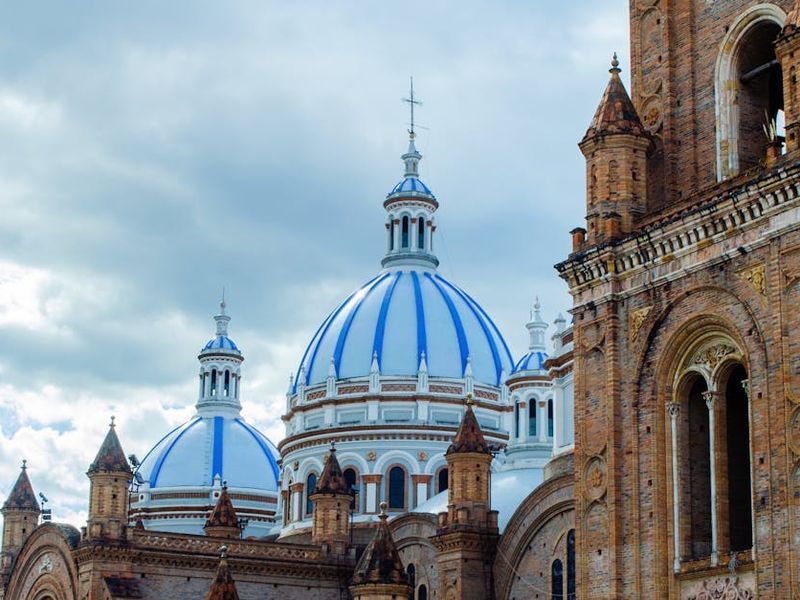
Arriving in Cuenca often feels like stepping into a gentler tempo. The city, perched at roughly 2,560 meters above sea level, is famous for its colonial center, blue-domed cathedral, and a climate people call eternal spring. That combination of cooler temperatures, cobblestone streets, and a strong local rhythm means life here is calmer than in larger Latin American cities. For newcomers, that calm can be intoxicating but also disorienting. Learning to slow down intentionally will help you settle in with less friction and more joy.
Start Small: Practical First Steps
Before trying to overhaul your habits, take a few practical steps that make daily life easier and reduce stress. These small wins compound quickly and help you feel rooted.
- Get a local SIM card from one of the major carriers to avoid roaming surprises and make local calls easier.
- Open a local bank account or learn where the ATMs and exchange bureaus are; cash remains handy for markets and small shops.
- Find a grocery market and a pharmacy close to your home. Cuenca has a mix of small neighborhood mercados and larger supermarkets.
- Register with a local healthcare provider and identify a nearby clinic or hospital for routine care. Private clinics are affordable and often have English speaking staff.
Choose the Right Neighborhood for Your Pace
Where you live will shape how quickly you adapt to Cuenca’s relaxed lifestyle. Consider the character of each area before signing a lease.
Historic Center
Living near Parque Calderón or along the Tomebamba River places you in the city heart. You get cafes, markets, and easy walking access. Expect tourists and occasional crowds, but the convenience helps newcomers feel connected right away.
El Barranco and Calle Larga
These riverside and artsy zones have galleries, boutiques, and relaxed riverside walks. They are ideal for people who want creative energy without the bustle of the very center.
Turi and Hillsides
Turi on the hill above the city gives a quieter residential vibe and great views. It’s slightly farther from nightlife and stores, perfect for those who want to unplug at home.
Routines That Honor Cuenca’s Rhythm
Adjusting to a relaxed pace is mostly about building rhythms that match local life. Try these simple routine changes.
- Walk or bike to local errands. Cuenca is very walkable and the river banks are lovely for daily strolls.
- Schedule long, slow lunches. Many restaurants focus on lunchtime menus, and small shops sometimes close around midday.
- Embrace layered clothing. Temperatures change during the day, so carry a light jacket for mornings and evenings.
- Create a morning ritual that grounds you. A walk along the Tomebamba River, a coffee on Calle Larga, or a brief stretching practice will align your day with local calm.
Get Comfortable with Slower Customer Service
One of the biggest culture shifts is adjusting expectations around speed. Whether you are dealing with paperwork, a bank, or a small tienda, things often take longer than in a big city.
Tips to avoid frustration:
- Bring patience and a book when you know you will wait. Many offices are walk-in friendly but slow.
- Plan errands for mornings when possible. Mornings can be more efficient before lunch closures.
- Use local recommendations. Word of mouth often helps you find quicker or more reliable service providers.
Learn Spanish Basics to Deepen Your Experience
Even a little Spanish opens doors. Many locals appreciate any effort to speak the language, and basic fluency reduces friction and builds friendships faster.
- Focus on phrases for greetings, shopping, transportation, and emergencies.
- Join language exchanges and meetups. Cuenca has active expat and local groups that meet in cafes and parks.
- Take advantage of informal practice. Buy empanadas at a market stall, chat with your neighbor, or volunteer, and you will improve through real conversation.
Connect with Community, Not Just Comfort
Loneliness can make a slow city feel isolating. Building social ties helps you appreciate the relaxed pace rather than resent it.
Make Local Friends
Regularly visit the same cafe, join a yoga studio, or attend cultural events. Locals can show you hidden gems, from a favorite panaderia to a neighborhood feria.
Tap Into the Expat Network
Cuenca has a robust international community. Online groups and meetups can be great for practical advice on everything from visas to home repairs. Use these groups as a bridge, then expand into local circles.
Explore Nature to Embrace Slow Living
One reason so many people choose Cuenca is access to nature. Short trips help you internalize a slower pace and reconnect your rhythms with the landscape.
- Parque Nacional Cajas. About an hour from the city, Cajas offers highland lakes, hiking, and cool mountain air. Day hikes reset perspective and reduce urban anxiety.
- Ingapirca ruins. Less than two hours away, the largest Inca archaeological site in Ecuador is a fantastic half day or day trip and a reminder of a different kind of time.
- Gualaceo and Chordeleg. These nearby towns are perfect for browsing textiles and silver jewelry, and they make for easy weekend escapes.
Health and Altitude Adjustments
At 2,560 meters, you may feel mild altitude effects including shortness of breath on steep walks or tiredness for the first few weeks. Most people adapt quickly.
- Hydrate more than usual. The dry air at altitude can cause dehydration faster.
- Take it easy the first few days after arrival. Avoid intense exertion while your body adjusts.
- Talk to your doctor if you have heart or respiratory conditions before moving. Cuenca has quality private clinics and hospitals for routine and urgent care.
Money Matters and Cost of Living
Cuenca remains more affordable than many North American and European cities, but lifestyle choices matter. Eating out, housing standards, and imported goods can raise your monthly costs.
- Shop at neighborhood mercados for fresh produce at local prices.
- Rent varies by neighborhood. Apartments in the historic center cost more than those in residential areas farther out.
- Plan for occasional splurges on imported goods. Many items are more expensive due to import duties.
Respect Local Customs and Pace
Adapting also means tuning into cultural norms. Small adjustments show respect and make daily interactions smoother.
- Greet people with a polite hola and a smile. In social settings a single cheek kiss is common.
- Be mindful of dress codes in churches and formal events. Modest clothing is appreciated in religious sites.
- Understand that punctuality is more relaxed in social contexts. For appointments or business meetings, confirm times in advance.
Creative Ways to Build a Calmer Life
Adopting the local lifestyle can be an intentional experiment. Try one or two of these practices to cultivate calm daily.
- Slow mornings. Replace a frantic rush with a walk, journaling, or buying fresh bread from a neighborhood bakery.
- Digital Sabbaths. Designate one afternoon without screens to read, meet friends, or explore a market.
- Volunteer locally. Helping at a school, library, or community garden builds purpose and local ties.
- Take micro-adventures. Explore a new neighborhood each weekend or walk a different riverbank route to keep curiosity alive.
When the Slow Pace Feels Too Slow
There will be days when Cuenca’s tempo feels frustrating. That is normal. Switch strategies rather than getting discouraged.
- Find a co-working space or a lively cafe if you need faster energy for work.
- Plan regular trips to larger cities if you miss high-energy cultural events or services.
- Set personal productivity goals that give structure to your days without forcing you to match a fast pace.
Final Thoughts: Making the Pace Your Own
Adjusting to Cuenca’s relaxed lifestyle is not about giving up ambition or comfort. It’s about choosing a different measure of success: one where time is spent on meaningful activities, relationships, and experiences. Start with small practical steps, invest in language and community, and explore the region’s natural and cultural riches. Over time, the slower rhythm will feel less like an external condition and more like a chosen way of living. And when that happens, the charm of Cuenca becomes not just a background but a way of life you actively enjoy.
Adam Elliot Altholtz serves as the Administrator & Patient Coordinator of the "Smilehealth Ecuador Dental Clinic", along with his fellow Expats' beloved 'Dr. No Pain', right here in Cuenca, Ecuador, and for purposes of discussing all your Dental needs and questions, is available virtually 24/7 on all 365 days of the year, including holidays. Adam proudly responds to ALL Expat patients from at least 7:00am to 9:00pm Ecuador time, again every single day of the year (and once more even on holidays), when you write to him by email at info@smilehealthecuador.com and also by inquiry submitted on the Dental Clinic's fully detailed website of www.smilehealthecuador.com for you to visit any time, by day or night. Plus, you can reach Adam directly by WhatsApp at +593 98 392 9606 or by his US phone number of 1‑(941)‑227‑0114, and the Dental Clinic's Ecuador phone number for local Expats residing in Cuenca is 07‑410‑8745. ALWAYS, you will receive your full Dental Service in English (NEVER in Spanish), per you as an Expat either living in or desiring to visit Cuenca by your Dental Vacation, plus also to enjoy all of Ecuador's wonders that are just waiting for you to come arouse and delight your senses.