
Table of Contents
Why Cuenca’s pace feels different — and why that’s a gift
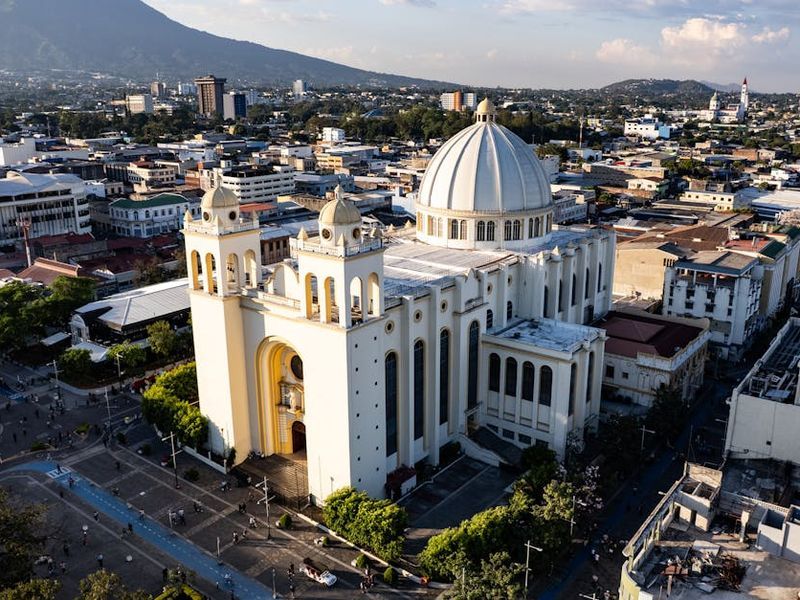
Cuenca’s reputation for calm comes from a mix of colonial streets, a steady river, and a culture that values community over constant hurry. The city’s historic core—stone plazas, cobblestone lanes and the blue-domed New Cathedral—sets a pace that nudges you to notice small pleasures: a cup of coffee with a view of the Río Tomebamba, an impromptu conversation in the mercado, or a slow sunset from Mirador de Turi. Understanding the reasons behind the slower tempo makes it easier to adapt and enjoy the benefits.
First 30 days: Practical steps to feel grounded
Arrival can be disorienting. Those first few weeks are perfect for building a simple framework that balances exploration with routine.
- Set up a comfortable base: find a neighbourhood that matches the life you want—close to El Centro for culture, or a quieter barrio with parks if you crave calm.
- Register basics: get a local SIM, discover the nearest market and supermarket, and locate a pharmacy. Having these in place reduces small daily stresses.
- Create a gentle schedule: aim for a morning walk along the river or a weekly market visit—small rituals anchor you in a new place.
Adapting your daily rhythm to Cuenca’s flow
Cuenca’s days are not hurried, but they are full. Here are ways to tune your routine into the city’s cadence without losing productivity.
Embrace layers and the highland climate
At about 2,560 meters (8,400 feet) above sea level, Cuenca has cool mornings, mild afternoons and crisp nights. Dress in layers: a breathable base, a sweater, and a windbreaker. Don’t forget sunscreen—UV is stronger at altitude.
Build a productive slow day
Instead of trying to replicate your old fast-paced schedule, design workblocks that respect local rhythms: productive mornings, a relaxed mid-day break for lunch and a short walk, then focused afternoon tasks. If you’re remote working, scout coworking spaces in El Centro or find cafés with reliable Wi-Fi where you can settle in without rushing.
Local customs and etiquette — small changes, big impact
Adapting to social norms helps you fit in gracefully. Cuencanos are warm and polite—here are a few practical tips:
- Greetings: A light cheek kiss is common among acquaintances; handshakes are used in formal settings. Use formal titles (Señor/Señora or Don/Doña) until invited to be casual.
- Punctuality: For social events, people are relaxed about exact start times. For business, punctuality is more expected—ask when in doubt.
- Queuing and service: Lines move at their own speed and service can be unhurried—practice patience and carry a book or phone for short waits.
- Tipping: Many restaurants include a service line; when not included, a 10% tip is appreciated for good service.
Food, markets and eating slowly
One of the easiest ways to embrace Cuenca’s lifestyle is through food. Take time to learn local dishes and the best places to enjoy them.
Try traditional foods
Explore hearty local staples like llapingachos (potato patties), locro de papa (creamy potato soup), and the occasional cuy (guinea pig) at traditional restaurants. Street vendors and mercados sell fresh fruit juices, empanadas and inexpensive, satisfying meals.
Shop like a local
Weekly markets are social hubs. Buy fresh produce, learn to negotiate small prices, and use the opportunity to practice Spanish. Carry small bills and reusable bags for convenience.
Make friends: finding community in a quieter city
Cuenca’s slower tempo makes it easier to cultivate deeper connections. Here are ways to build a social life that suits the pace.
- Join language exchanges and neighborhood meetups—these attract both locals and internationals.
- Volunteer with local nonprofits or cultural centers; consistent involvement creates strong bonds faster than occasional events.
- Attend cultural outlets—concerts, exhibitions at Museo Pumapungo, and church festivals—to meet locals and learn traditions.
- Tap into expat communities through social media groups or informal coffee meetups; experienced expats can share practical advice for adapting.
Healthcare, banking and practical services
Getting practical matters sorted early gives you peace of mind and helps you slow down without worry.
Healthcare
Cuenca has public and private healthcare options. Many private clinics offer modern care and bilingual staff. It’s wise to have international health insurance or a local plan, keep a basic first-aid kit at home, and know the location of pharmacies that remain open after hours.
Money and banking
Ecuador uses the US dollar, which simplifies budgeting for many expats. ATMs are widely available, but carry some cash for small markets and taxis. When opening a bank account, take your ID and residency documents; some banking services may be slower than you’re used to, so allow time for in-person visits.
Getting around: transport that matches a relaxed pace
Cuenca’s compact center makes walking one of the best ways to experience the city. However, other transport options are practical and inexpensive.
- Walking: Ideal for the historic center—expect cobblestones and stairs. Comfortable walking shoes are essential.
- Buses: Inexpensive and extensive, buses are great for longer distances; keep small change handy.
- Taxis: Readily available and affordable. Agree on fares in advance if the taxi doesn’t use a meter.
- Car: Many expats rent or buy a car for weekend trips to El Cajas National Park and coastal drives, but city driving requires patience with narrow streets and parking.
Weekend escapes and nature — slowing down outdoors
One of Cuenca’s greatest advantages is its proximity to diverse landscapes that invite slow, restorative outdoor time.
El Cajas National Park
Less than an hour from the city, El Cajas offers glacial lakes, moorlands and easy-to-challenging hikes. Pack layers and water for day trips.
Riverside strolls and viewpoints
Walking along the Río Tomebamba or catching the view from Mirador de Turi are perfect slow activities—bring a camera or a journal and spend an afternoon people-watching.
Safety and sensible precautions
Cuenca is generally safe, but taking standard precautions helps you maintain a relaxed lifestyle without surprises.
- Stay alert to petty theft in crowded places; carry valuables in a front pocket or inside a crossbody bag.
- Avoid empty streets late at night and know a reliable taxi company for late trips home.
- Keep digital copies of important documents and have a local emergency contact or neighbor who can help if needed.
Language: small Spanish skills go a long way
Even basic Spanish transforms your experience. Locals appreciate the effort, and it opens doors to deeper interactions and services that might otherwise be awkward.
Practical ways to learn
- Enroll in short, affordable classes—many language schools and tutors offer tailored lessons.
- Use language exchanges or conversation meetups to practice in a low-pressure environment.
- Label things in your home, practice phrases daily, and try to handle small transactions in Spanish to build confidence.
How to avoid culture shock and burnout in a slow city
Slow cities can be deceptively tiring for newcomers who try to force a fast rhythm. Here are ways to avoid friction and bloom in Cuenca’s environment.
- Reframe productivity: measure success by quality and balance, not just output.
- Set boundaries for work—especially if you’re remote—so you don’t end up overworking to compensate for fewer social distractions.
- Plan structured social activities: a weekly language class, a hike, or a cultural outing. Routine social touchpoints speed integration.
- Practice mindfulness: short daily rituals—coffee at a favorite spot, a morning stretch—help you appreciate the city’s slower rhythm rather than resist it.
Practical packing and prep tips
Whether you’re visiting for a month or moving long-term, smart packing will make adjustment easier.
- Bring layered clothing, a sturdy pair of walking shoes, and a light rain jacket.
- Pack any prescription medicines with copies of prescriptions—local equivalents may be available but brands differ.
- Consider a small travel adapter, portable charger, and a compact umbrella for unpredictable showers.
Final thoughts: making Cuenca’s tranquility your own
Adjusting to Cuenca’s relaxed lifestyle is less about slowing down every minute and more about choosing what deserves your speed. Create a few steady routines, say yes to small local experiences, learn a little Spanish, and let the city’s gentle pace reshape what “being productive” means to you. Over time, you’ll find the rhythm that fits—one with space for deep work, meaningful connections and plenty of leisurely afternoons beside the Río Tomebamba.
Cuenca rewards curiosity and patience. Approach the city with an open mind and realistic expectations, and you’ll likely leave one habit harder to shake: the pleasure of slowing down.
Adam Elliot Altholtz serves as the Administrator & Patient Coordinator of the “Smilehealth Ecuador Dental Clinic“, along with his fellow Expats’ beloved ‘Dr. No Pain‘, right here in Cuenca, Ecuador, and for purposes of discussing all your Dental needs and questions, is available virtually 24/7 on all 365 days of the year, including holidays. Adam proudly responds to ALL Expat patients from at least 7:00am to 9:00pm Ecuador time, again every single day of the year (and once more even on holidays), when you write to him by email at info@smilehealthecuador.com and also by inquiry submitted on the Dental Clinic’s fully detailed website of www.smilehealthecuador.com for you to visit any time, by day or night. Plus, you can reach Adam directly by WhatsApp at +593 98 392 9606 -or by his US phone number of 1‐(941)‐227‐0114, and the Dental Clinic’s Ecuador phone number for local Expats residing in Cuenca is 07‐410‐8745. ALWAYS, you will receive your full Dental Service in English (NEVER in Spanish), per you as an Expat either living in or desiring to visit Cuenca by your Dental Vacation, plus also to enjoy all of Ecuador’s wonders that are just waiting for you to come arouse and delight your senses.