
Table of Contents
Why Cuenca’s Pace Feels Different — and Why That’s a Good Thing
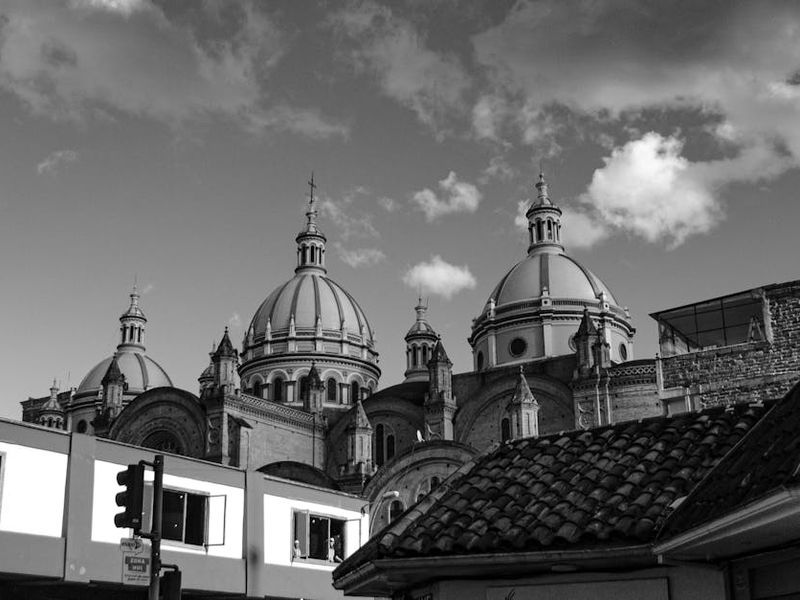
Cuenca, Ecuador, is famous for its colonial architecture, leafy riverwalks and a tempo that feels more like a long exhale than a rush hour sprint. At roughly 2,560 meters above sea level, the city’s temperate climate and compact historic center encourage walking, lingering and conversation. If you’re used to a fast, efficiency-driven life, the change can be disorienting — but it’s also an invitation to enjoy richer, simpler rhythms.
Understand Common Differences: What Slower Looks Like in Practice
Before moving, set realistic expectations. Public offices may take longer to process requests, restaurants might operate on different hours, and the social culture includes relaxed punctuality. This isn’t dysfunction — it’s a cultural preference for quality over speed. Once you stop measuring Cuenca against the clock, you’ll notice benefits: more time to savor coffee, longer conversations with neighbors, and a lower daily stress baseline.
Typical daily cues
- Neighborhood bakeries open early; many smaller shops close mid-afternoon for a break.
- Midday meals can be leisurely — many people take the time to eat and rest.
- Lines move at their own pace. Bring paper, your phone, and a patient mindset.
Choose the Right Neighborhood for Your Pace
Where you live influences how quickly you adapt. Cuenca’s neighborhoods each have a distinct vibe:
- El Centro (Historic Center): Cobblestone streets, colonial plazas and immediate access to cafés, museums and the Parque Calderón. Expect more tourists but endless opportunities to stroll.
- San Sebas: Quiet residential blocks with artisan shops and local markets — ideal if you want an artsy, community feel without crowds.
- Totoracocha and Yanuncay: Closer to the rivers, these areas are greener and quieter — great for families and people who value walks along the Tomebamba.
- El Vergel / El Batán: Newer developments and apartment buildings with modern amenities, good for expats who want convenience and international-style services.
Tip: Rent short-term first (furnished apartment or Airbnb) while you explore neighborhoods for at least 4–8 weeks.
Set a Flexible Routine That Embraces Cuenca’s Tempo
Keeping some structure will help you feel productive without fighting local rhythms. A balanced weekly routine might include morning walks by the Río Tomebamba, a midday Spanish class, afternoons at a favorite café, and evenings at community events or live music in local plazas.
Sample weekly schedule
Monday: Language class in the morning; stroll and market visit in the afternoon. Tuesday: Volunteer at a local school or clinic; evening Spanish conversation group. Wednesday: Explore a museum or artisan market; slow dinner. Thursday: Remote work morning; join an expat meetup in the evening. Friday: Farmers’ market (Mercado 10 de Agosto) shopping; sundowner along the river. Weekend: Day trip to nearby rural towns or a hike to the Mirador de Turi.
Practical Tips for Daily Life
Adapting to a new city means mastering the small things. Here are concrete, field-tested tips for daily life in Cuenca.
- Transport: Public buses are inexpensive and frequent. Taxis are safe and plentiful; agree the fare or ensure the meter is on. Ride-hailing apps exist in some areas, but local taxis are still often quicker.
- Shopping: For fresh produce and local prices, visit Mercado 10 de Agosto. Small neighborhood tiendas are good for last-minute items.
- Food and dining: Lunch menus del día are common and affordable — a great way to taste Ecuadorian cuisine. Expect servers to move at a relaxed pace; see it as an opportunity to linger.
- Banking and bills: Lines and paperwork can take longer. Bring your ID, copies of documents and patience. Many expats use both local banks and international money transfer services (Wise, Remitly) to manage funds.
- Connectivity: Mobile SIM cards from Claro or Movistar are easy to get; internet quality varies by building — ask landlords about speeds or check providers like CNT and Claro for plans.
Learn Spanish — Even a Little Goes Far
Spanish is the language of daily life in Cuenca. You don’t need fluency to thrive, but basic conversational Spanish drastically improves your experience and speeds up integration. Simple phrases for greetings, asking prices, and requesting help will open doors. Enroll in a local language school or hire a tutor — many expats report that conversational practice at markets and cafés accelerates learning faster than classroom-only study.
Practical language goals
- Week 1–4: Learn greetings, numbers, directions and menu vocabulary.
- Month 2–3: Practice describing your needs (health, banking, housing) and simple past tense for storytelling.
- Ongoing: Join a weekly language exchange or conversation group to build confidence.
Health, Altitude and Daily Comfort
Cuenca’s altitude (about 2,560 m / 8,400 ft) means some newcomers experience mild breathlessness or fatigue for a few days. Hydrate, sleep, and take it easy the first 48–72 hours. Avoid heavy exertion right after arrival and carry a reusable water bottle. For ongoing health care, Cuenca offers both public and private clinics and pharmacies that are well-regarded. Many expats choose to enroll in Ecuador’s Social Security (IESS) if eligible or buy private medical insurance for broader coverage.
Practical health tips
- Keep a small rapid first-aid kit and favorite over-the-counter meds, because smaller pharmacies may not stock international brands.
- Check with your doctor about altitude-related medication if you have chronic respiratory or heart conditions.
- Look for clinics and hospitals near your neighborhood; ask fellow expats for recommendations.
Managing Paperwork and Services Without Frustration
One of the biggest stressors for new arrivals is bureaucracy. Whether registering a visa, opening a bank account, or transferring utilities, processing times can be slower than in some countries. Here’s how to stay calm and efficient:
- Prepare documents: Copies, official translations (if required), and clean passports make a difference.
- Schedule appointments early in the week and arrive with time: unexpected closures or schedule changes aren’t uncommon.
- Use local contacts: Landlords, bilingual lawyers, or expat community leaders often know which offices are faster or which clerks are more helpful.
- Be polite and persistent: a friendly attitude often speeds up service.
Get Social — Community Accelerates Adaptation
Slowing down doesn’t mean retreating. Social connections are one of the fastest ways to feel at home. Cuenca has active expat groups, volunteer opportunities and Spanish conversation meetups. Joining a class (ceramics, cooking, dance) not only builds skills but also helps you meet locals and long-term residents.
Where to meet people
- Language schools and cultural centers — great for structured meetups.
- Cafés and bookshops along Calle Larga and Calle Gran Colombia — informal conversation hubs.
- Farmer’s markets and artisan fairs — community-centered, regular events that make it easy to strike up conversations.
Embrace Slow Rituals: Practical Habits to Keep Your Sanity
Adopting a few intentional habits will make Cuenca’s slower tempo feel like a gift rather than a challenge:
- Morning walks: Start the day with a slow walk along the Tomebamba to clear your head.
- Digital limits: Schedule phone-free afternoons to appreciate the city’s soundscape — church bells, market calls, and birdsong.
- Mindful meals: Try a week of eating without screens to really taste local fruits, soups and panaderia treats.
- Weekly planning: Do paperwork and errands on designated days to avoid friction when services move slowly.
Budgeting and Cost-of-Living Tips
Cuenca is often more affordable than North American or European cities, but costs vary by lifestyle. Eating local, using public transport and shopping at markets will stretch your budget further. Expect modest rent for a central studio compared with international cities; however, upscale amenities and imported goods raise prices.
Money-saving ideas
- Eat out at neighborhood eateries for daily meals rather than tourist restaurants.
- Buy produce at Mercado 10 de Agosto and local mercados rather than supermarkets for fresher, cheaper options.
- Consider furnished short-term rentals initially, then negotiate longer leases for better rates.
Enjoying Cuenca: Experiences That Teach Patience
Do things that naturally slow you down and reward patience. Try an early-morning birdwatching walk, an afternoon at Museo Pumapungo, or a long conversation with an artisan at an outdoor market. Take weekend trips to nearby attractions — Cajas National Park for highland lakes and hiking, or the artisanal villages around Paute. These experiences reinforce the city’s strengths: quiet beauty, friendly people and time to notice details.
Final Thoughts: Patience as a Practice, Not a Compromise
Adjusting to Cuenca’s relaxed lifestyle is less about tolerating delays and more about choosing a richer daily experience. The initial friction — slower services, language barriers, and different norms — fades when you intentionally build routines that respect local rhythms. Learn Spanish, pick a neighborhood that fits your needs, use practical tools for paperwork, and create a rhythm of work and pleasure that honors Cuenca’s pace. In time, what once felt slow will become the most restorative part of your life.
Cuenca’s charm lies in its invitation to savor: markets that beg you to wander, plazas that encourage conversation, and riversides that reward a slow walk. Accept that invitation, and you’ll find the tranquility here isn’t an absence of activity — it’s a more meaningful way to live.