
Table of Contents
Welcome to Cuenca’s gentle pace
Moving to Cuenca often means swapping a hurried schedule for a calmer rhythm. The city invites you to linger — along the Tomebamba River, at mercados heavy with ripe fruit, or over a long cup of coffee in the Historic Center. For newcomers, that slower tempo can feel refreshing, confusing, or frustrating depending on what you expect. This guide gives practical tips and local details to help you not just adapt, but enjoy life in Cuenca.
Understand the local tempo: why things move differently
Cuenca’s pace reflects its history, climate, and culture. The UNESCO-protected Centro Histórico encourages walking, conversation and unhurried schedules. Businesses and government offices may operate by local rhythms — fewer 24/7 services, longer lunchtime breaks in small shops, and more flexible appointment windows. Recognizing that this is a cultural feature (not incompetence) shifts your expectations and reduces stress.
Tips to reframe your expectations
- Build buffer time into appointments and travel plans.
- Think in days rather than hours for administrative tasks — many forms take longer than online timelines suggest.
- Adopt a curiosity-first attitude: ask politely about delays and enjoy the surprise discoveries that come with waiting.
Daily routines that match Cuenca’s character
One of the easiest ways to feel settled is to build routines that take advantage of the city’s layout and climate. Cuenca sits high in the Andes where the weather is spring-like most of the year — mornings can be crisp, afternoons mild and evenings cool. Design your day around outdoor spaces and daily markets.
Sample Cuenca-friendly daily routine
- Morning: Take a walk along the Río Tomebamba or around Parque Calderón; stop for coffee at a café in the Centro Histórico.
- Late morning: Visit Mercado 10 de Agosto for fresh produce, cheese and empanadas; it’s quieter before noon.
- Afternoon: Slow errands or language class; avoid rushing — expect some shops to be closed midday in neighborhoods outside the center.
- Evening: A paseo (walk) along riverside promenades or a relaxed dinner at a neighborhood restaurant.
Practical living tips: housing, utilities and connectivity
Cuenca offers a wide range of housing: colonial apartments in the Centro Histórico, modern condos in newer districts, and family homes in residential barrios. When you look for a place, consider how your choice interacts with the city’s pace.
What to check when renting
- Hot water: Many buildings use gas boilers — confirm how reliable hot water is and whether it’s instant or tank-based.
- Windows and insulation: Colonial homes can be charming but may lack modern insulation; ask about drafts and heating solutions.
- Internet: Fiber and DSL are available in many areas but speeds and uptime vary — ask current tenants about reliability.
- Proximity to essentials: Living near a mercado, a small grocery or a bus stop makes life easier in a more relaxed city.
Getting around: embrace walking and public transport
One of the joys of Cuenca is how walkable much of the city is. Cobbled streets and pedestrian plazas invite strolling. For farther trips, reliable buses and taxis connect neighborhoods. Learning local transport habits speeds up your day and reduces stress.
Transport tips for newcomers
- Walk whenever possible: You’ll discover small shops, plazas and friendly vendors that you miss from a car window.
- Use taxis for late nights or quick trips — agree on the fare or ask the driver to use the meter; radio taxi services add security.
- Try the bus system for budget travel; bring small change and be prepared for crowded times.
- Consider a compact car or scooter only if you’re comfortable with narrow, cobbled streets in the Centro Histórico.
Learn the social cues and language to connect faster
Integrating socially makes the city feel like home. Small gestures go a long way: greeting shopkeepers, learning a few Spanish phrases, and being patient in line all create goodwill. In Ecuador, a warm, polite approach opens doors.
Social and language tips
- Use ‘buenos días’ and a friendly smile. A quick greeting to shopkeepers or neighbors is customary.
- Start with formal language (“usted”) in new relationships and shift to “tú” when invited.
- Join a local Spanish class or conversation exchange — many expats find rapid improvement through casual neighborhood gatherings.
- Attend community events and markets to meet neighbors; food and festivals are natural social spaces.
Healthcare, safety and well-being in a relaxed city
Cuenca is known for accessible health services and a high quality of life. Whether you choose private clinics or public hospitals, some prep work helps you adapt more comfortably.
Essential health tips
- Carry copies of medical records and prescriptions in Spanish if possible — a pharmacy can often help translate basic terms.
- Get a checkup soon after arrival to establish care with a local doctor and learn nearby clinic locations.
- Consider international health insurance if you rely on specialized care not widely available locally; otherwise, research public health enrollment options.
- Altitude adjustment: Cuenca sits at high altitude. Hydrate, take it easy the first few days, and avoid intense exercise while your body adapts.
Dealing with bureaucracy: paperwork without panic
Administrative processes in Ecuador are often slower and require patience. From residency documents to setting up utilities, a methodical approach prevents frustration.
How to navigate red tape smoothly
- Make copies of everything: passports, IDs, utility bills and forms. Local offices often require originals plus copies.
- Use a gestor (a local administrative assistant) for complex procedures like visa renewals — they understand local steps and speak Spanish.
- Bring snacks and patience. Long waits are common; a book or download offers calm during delays.
- Confirm hours and appointment needs online or by phone before going to government offices; schedules can change.
Enjoy local food, markets and rituals
Cuenca’s food scene blends Andean flavors with international options. Food markets are weekly rhythms that structure neighborhood life — visiting them helps you feel part of the city.
Must-try foods and where to find them
- Hornado and fritada: slow-roasted pork and traditional meat dishes often found at market stalls in the mornings.
- Mote pillo and plantain sides: hearty Andean staples that pair well with local cheeses.
- Fresh produce at Mercado 10 de Agosto: buy fruit, vegetables and herbs — try the seasonal strawberries and native granadilla.
- Local coffee shops around Parque Calderón and the river: perfect spots to linger, read or meet people for conversation.
Make friends: integrate into neighborhoods and communities
Connections are the fastest route from visitor to resident. Cuenca welcomes newcomers through volunteer opportunities, clubs, and mixed expat-local networks. The city’s calmer pace actually makes it easier to build meaningful relationships; people tend to have time for real conversation.
Practical ways to meet locals
- Volunteer with local schools, environmental groups, or community arts projects — many organizations need help and appreciate multilingual volunteers.
- Join clubs or classes: dance, pottery, yoga, and art schools are common and social.
- Attend cultural events and church festivals — they’re community focal points and great for observing traditions.
- Find online groups (Facebook, local expat forums) for meetups, markets, and language exchange events.
Weekends and day trips: embrace the slower adventures
Longer, relaxed weekends are one of the perks of settling in Cuenca. Explore the surrounding Andean landscapes, archaeological sites, and smaller towns at a leisurely pace.
Day trip ideas that fit the vibe
- Cajas National Park: dramatic lakes and hiking trails; go early, pack layers, and savor the quiet.
- Pumapungo and local museums: learn about indigenous history and contemporary Cuenca culture without rushing.
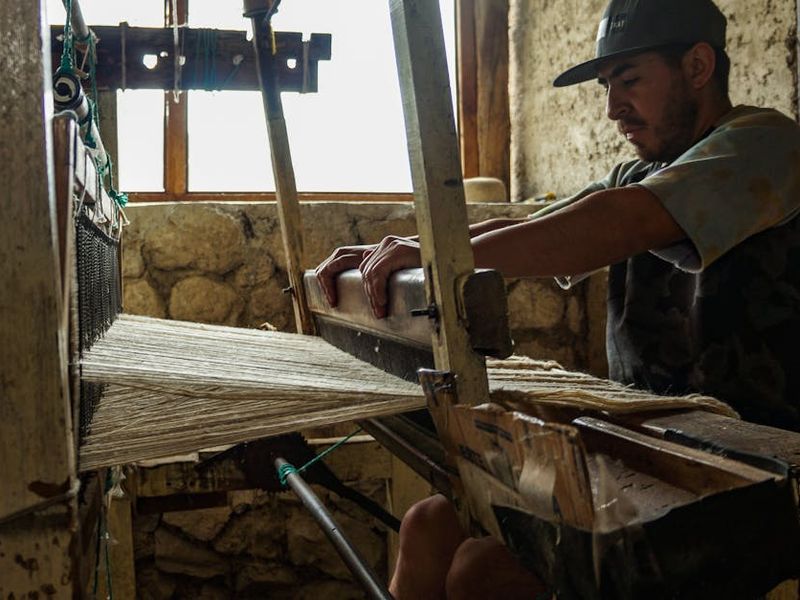
- Nearby artisan towns: spend a day visiting weavers, ceramicists and hat makers for unique souvenirs and human connections.
- Slow food Sundays: pick a new neighborhood restaurant to linger over a long meal and people-watch.
Coping with impatience and culture shock
Even the most enthusiastic newcomers feel frustrated at times. The trick is to translate impatience into curiosity. What looks like inefficiency may be a different approach to time, priority, and community.
Practical coping strategies
- Create a small personal ritual for when you feel overwhelmed: a slow coffee, a short river walk, or a breathing exercise helps reset.
- Keep a short list of local things that make you smile — a favorite bakery, a kind neighbor, a view of the cathedral — and revisit them when you need a lift.
- Practice saying “más despacio, por favor” (slower, please) when speech or service is too hurried; people will generally adjust to a calmer tone too.
- Set realistic timelines for integration — friendships and fluency take months, not days.
Celebrate the benefits of slowing down
Once you accept a slower tempo, you notice benefits many visitors miss: more meaningful conversations, better-quality food, a greater sense of safety, and a daily life shaped by human scale rather than deadlines. Cuenca rewards people who look, listen, and linger.
Small rituals to make the city yours
- Adopt a weekly paseo route along the river and park benches where you like to read or sketch.
- Pick a favorite mercado stall and become a regular — vendors remember loyal customers and will often share tips or extras.
- Host a slow dinner for neighbors or classmates — potlucks are an excellent way to exchange dishes and build friendships.
Final thoughts: cultivate curiosity and patience
Adapting to Cuenca’s relaxed lifestyle is less about surrender and more about selective embrace. Keep the parts of your old routine that make you productive, but add new rhythms that celebrate slowness. Expect bureaucratic delays, cherish long conversations, taste the seasonal fruits, and let the city’s measured pace shape a healthier life both practically and emotionally. With time, the tranquility that once seemed alien will feel like the most natural, nourishing part of daily life.
Welcome to Cuenca: slow down, look around, and let the city grow on you.