
Table of Contents
Why a Week in Cuenca Is the Perfect Introduction
Cuenca, Ecuador—nestled high in the Andes at about 2,560 meters (8,400 ft)—is a compact, walkable city with colonial charm, leafy river walks and a surprising number of museums, cafés and artisan neighborhoods. A week gives you enough time to settle into the altitude, move at a relaxed pace and take at least a couple of day trips without feeling rushed. This guide lays out a balanced, realistic itinerary with practical tips, food suggestions and alternatives so you can personalize your ideal week.
Before You Go: Quick Practical Tips
Pack layers—Cuenca’s weather is famously spring-like but can be chilly in mornings and evenings. The rainy season tends to run roughly from January through May, so bring a lightweight rain jacket if you’re traveling then. The currency is the U.S. dollar, and Spanish is the dominant language; many people working in tourism speak some English, but learning a few phrases goes a long way.
Altitude matters: take it easy on arrival, drink plenty of water, avoid strenuous hikes your first day and limit alcohol until you acclimatize. Taxis in the city are inexpensive; short rides are usually under a few dollars, but agree on a price or ask the driver to use the meter.
Day 1 — Arrive and Acclimatize: El Centro and the Blue Domes
After you check into your hotel, spend your first day wandering the historic center (Centro Histórico). Start at Parque Calderón and look up to the city’s most iconic sight: the blue-tiled domes of the New Cathedral (Catedral de la Inmaculada Concepción). Explore the narrow streets around the plaza, duck into a café for a slow coffee and people-watch. Keep this day light—walk along the riverside promenade of the Río Tomebamba and let your body adjust to the altitude.
Day 2 — Museums and Markets: Culture, Craft and Food
Dedicate a day to Cuenca’s museums and market culture. Visit Museo Pumapungo for an overview of pre-Columbian cultures and an on-site archaeological area that gives context to the highlands. Nearby, you’ll find the ethnographic displays and beautifully tended gardens.
For markets, head to the central market (Mercado Central) to try local specialties: mote pillo (hominy with eggs), locro de papa (thick potato and cheese soup), and hornado (slow-roasted pork). Sample helado de paila—traditional ice cream churned in a large copper pan—at a street stall. In the afternoon, look for shops selling the famous Ecuadorian straw hats (Sombrero de Paja Toquilla) and browse artisanal textiles and silver jewelry.
Day 3 — San Sebastián, Art Walk and Nightlife
Spend a day exploring the charming neighborhoods north of the river. Barrio San Sebastián is a great place for art galleries, small studios and boutique shops. Visit independent galleries and perhaps catch a local exhibition or live music, especially on weekend evenings.
For dinner, try a neighborhood restaurant serving traditional Azuay dishes—ask locals where they go for cuy (guinea pig) if you want to try the national delicacy, or order a more familiar plate like arroz con menestra. Finish the night with a rooftop drink overlooking the illuminated domes of the cathedral.
Day 4 — Day Trip to Cajas National Park
One of the best day trips from Cuenca is Parque Nacional Cajas. About an hour’s drive from the city, Cajas’ páramo landscape features dozens of glacial lakes, rolling grasslands and marked hiking trails. Popular easy-to-moderate hikes lead to scenic lagoons such as Laguna Toreadora and several viewpoints with expansive mountain vistas.
Dress warmly and bring waterproof layers, sunscreen and snacks. Depending on your schedule, you can hike for a few hours and return to Cuenca midafternoon, or join a guided tour that includes transport, a picnic and route planning for varied fitness levels.
Day 5 — Artisan Towns: Chordeleg and Gualaceo
Devote a day to the nearby artisan towns of Chordeleg and Gualaceo—both are under an hour from Cuenca and offer a window into Ecuadorian crafts and handicrafts. Chordeleg is renowned for its filigree silverwork and small jewelry shops; if you’re shopping, look for expert filigree craftsmanship and learn about local makers.
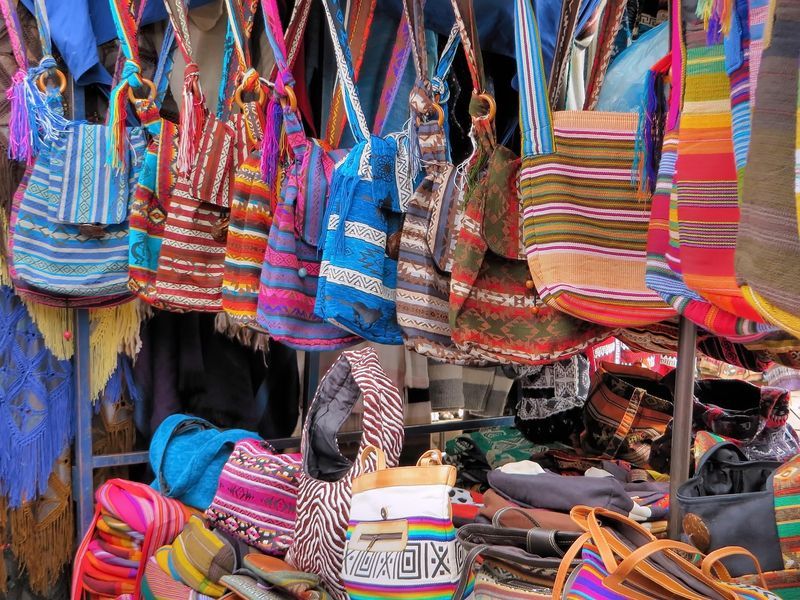
Gualaceo is known for textiles, colorful markets and traditional weaving. Stroll local markets, buy scarves and table runners, and enjoy fresh fruit juices from vendors. This is an excellent day to pick up souvenirs with authentic local provenance and meet artisans in their workshops.
Day 6 — Ingapirca Ruins or Slow Day in Cuenca
If you’re keen on archaeology, make the trip to Ingapirca—the largest known Inca ruin in Ecuador—situated north of Cuenca in Cañar province. The stone temple complex offers a fascinating look at pre-Columbian life, with scenic mountain backdrops. Tours typically take half to a full day, depending on stops en route.
If you prefer to linger in Cuenca, use this day for what travel writers call a “slow day”: visit lesser-known museums, take a cooking class, or join a specialty tour such as a hat-weaving demonstration or a coffee tasting. Late afternoon, walk the riverbanks and sit in a plaza while the city transitions from day to night.
Day 7 — Finale: Mirador del Turi, Shopping and Farewell Meal
On your final morning, head up to Mirador de Turi for a panoramic view of the city—its churches, red rooftops and meandering river. This spot is ideal for photos and a last overview of the urban landscape.
Return to town for any final shopping—look for fine alpaca knitwear, hand-woven tapestries and local chocolates. For a memorable farewell dinner, pick a restaurant that serves contemporary Ecuadorian cuisine or one of the well-regarded rooftop eateries that offer views of the cathedral lit up at night.
Alternative Activities and Extras
- Hot springs: There are thermal baths in the region if you want a relaxing soak.
- Bike tours: Hire a bike and ride along quieter roads or join a guided route into the surrounding countryside.
- Cooking class: Learn how to make Ecuadorian staples like locro or empanadas with a local chef.
- Photography walk: Join a local photographer for a sunrise or golden-hour tour of the city’s best photo spots.
Where to Stay: Neighborhoods That Fit Your Style
El Centro is the classic choice for first-time visitors—close to major sights, restaurants and nightlife. If you prefer a quieter, more residential vibe, neighborhoods along the river are peaceful and still walkable. The Turi area (on the hill) has guesthouses and small hotels with great views and is handy if you want a quieter base with easy access to the mirador.
Accommodation ranges from budget hostels and mid-range boutique hotels to upscale properties. Booking a place with breakfast included can be a good value and helps simplify mornings as you set out to explore.
Getting Around: Practical Transport Tips
Cuenca is highly walkable in the center, and many sights are clustered close together. For longer distances or hillside viewpoints, taxis are affordable—ask for a meter or agree on a price beforehand. Public buses are very cheap but can be confusing for newcomers; drivers and locals are usually happy to help if you ask which bus goes where.
If you plan on multiple day trips (Cajas, Ingapirca, artisan towns), consider booking a day tour that includes transportation—this removes stress around schedules and parking and often includes a knowledgeable guide.
Safety, Money and Connectivity
Cuenca is considered one of Ecuador’s safer cities, but petty theft can occur—use common-sense precautions like keeping wallets zipped and not flashing expensive gear. Tipping is appreciated but not mandatory; many restaurants include a 10% service charge on the bill.
Buy a local SIM card (Movistar or Claro) at the airport or a store in town if you need reliable data. Wi-Fi at cafés and hotels is generally decent in central areas.
Final Checklist: What to Pack and Remember
- Layered clothing and a light rain jacket
- Sunscreen and a hat—UV is stronger at altitude
- Comfortable walking shoes for cobblestones and uneven terrain
- Reusable water bottle and any altitude medication if recommended by your doctor
- Cash in small bills for markets and taxis—many smaller vendors don’t accept cards
Wrap-Up: Make the Week Yours
A week in Cuenca offers an ideal blend of culture, food, outdoor adventure and slow-city charm. Use this itinerary as a scaffold: plug in your interests—whether markets, museums, hiking or artisan shopping—and leave space for the little discoveries that make travel memorable. Walk slowly, talk to shopkeepers, try the street food and savor the views from the mirador—the city rewards travelers who take their time.
Whether you come for the historic architecture, the nearby páramo lakes, or the welcoming expat-friendly cafés, Cuenca is a place that invites lingering. Seven days is enough time to fall in love with it.