
Table of Contents
Why spend a week in Cuenca?
Cuenca, Ecuador’s elegant colonial jewel, is the perfect size for a relaxed seven-day exploration. With a compact historic center, lively neighborhoods along the Tomebamba River, nearby Andean highlands and artisan towns close enough for easy day trips, you can mix cultural immersion, outdoor adventures and slow food experiences without long drives or rushed schedules.
Quick practical tips before you go
Cuenca sits at about 2,560 meters (8,400 ft). Expect bright sun and cool evenings any time of year—pack layers. Ecuador uses the US dollar, so no currency exchange needed. Spanish is the common language; a few phrases go a long way. Data and SIM cards from local carriers (Claro, Movistar) are affordable and available at the airport and shops. Safety is generally good in the centro histórico, but keep common-sense precautions: secure your valuables, use licensed taxis at night, and stick to well-lit streets.
What to bring
- Layered clothing (sun hat + warm jacket)
- Good walking shoes for cobblestones and trails
- Sunblock and a reusable water bottle
- Copy of passport and travel insurance details
- Small Spanish phrasebook or translation app
Day 1 — Arrival, orientation and Plaza Grande
Begin with a slow introduction to Cuenca: stay in the historic center (El Centro or El Barranco) to be within walking distance of major sites. Head to Parque Calderón — the town’s main plaza — to orient yourself, admire the twin-domed New Cathedral and people-watch. Walk the wide pedestrian Calle Larga and pop into a café for a late-afternoon coffee or a cup of coca tea to help with the altitude.
Use this first evening to sample classic local dishes—try locro de papa (creamy potato soup), mote con chicharrón (hominy with fried pork) or a plate of fresh trout from nearby rivers. A quiet rooftop view at sunset will give you a sense of the city’s layered red-tile roofs and blue cathedral domes.
Day 2 — Museums, history and traditional crafts
Spend a full day exploring Cuenca’s museums and artisan culture. The Museo Pumapungo is a must: it combines an archaeological park, ethnographic exhibits and a botanical garden showing native Andean plants. Nearby you’ll often find an open-air artisan market selling textiles, hats and ceramics—great for souvenir hunting.
Also visit the Museo de las Conceptas (a former convent) to see religious art and colonial life artifacts, and the Museo del Sombrero to learn about the famed Toquilla hat, locally and internationally known as the ‘Panama’ hat. Time permitting, drop into the Museo de Arte Moderno to sample contemporary Ecuadorian art.
Day 3 — Riverside strolls, El Barranco and food markets
Walk the banks of the Tomebamba River through the neatly landscaped Jardin Parque Calderón and across the charming bridges. El Barranco, the neighborhood along the river, is a lovely area for lunch in a riverside restaurant with terraces overlooking the water. Explore side streets to find small galleries and artisan boutiques.
In the afternoon visit a central market—look for fresh produce, hanging cured meats, and vendors selling helado de paila (hand-churned fruit ice cream). Markets are an affordable way to taste authentic flavors and chat with local vendors about ingredients and dishes.
Day 4 — Cajas National Park: a day in the páramo
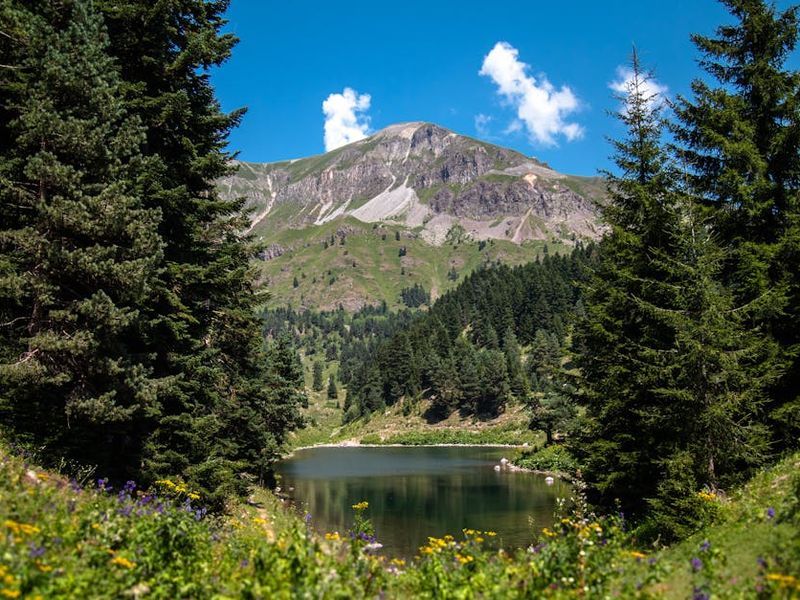
Pack a warm jacket and hiking boots for a full day trip to Parque Nacional Cajas, about a 45–60 minute drive from Cuenca. This high-altitude park is dotted with dozens of glacial lakes (lagunas), peatlands and rugged trails. Popular hikes range from gentle 1–2 hour walks along mirror-like lagoons to full-day treks across the moorlands—look out for Andean waterfowl, llamas and dramatic skies that change fast.
Many local operators offer guided trips that include transportation and a knowledgeable guide who can point out flora, fauna and the best lookouts. Bring snacks, water, sunscreen and insect repellent. The park’s weather can flip from sun to sleet in an hour, so be prepared.
Day 5 — Gualaceo and Chordeleg: artisans and silver
Dedicate a day to the artisan valley southeast of Cuenca. Gualaceo is known for weavings and textiles; nearby Chordeleg has a reputation for fine silverwork and jewelry. These towns offer an authentic look at Ecuadorian craft traditions—workshops often welcome visitors and many craftsmen will explain techniques, from backstrap weaving to filigree silverwork.
Travel by local bus or a guided tour. Buy directly from artisans to support local families; many pieces can be custom-fit in a day or two. This is also a great opportunity to try regional snacks in local plazas and sip freshly brewed coffee in small cafés off the beaten path.
Day 6 — Ingapirca ruins or leisure: choose your pace
If you’re curious about pre-Columbian history, take a day trip to Ingapirca, the largest known Inca ruins in Ecuador. It’s a 1.5–2.5 hour drive each way depending on your transport and route. The site’s elliptical Temple of the Sun and surrounding stone structures illustrate Inca engineering blended with Cañari traditions. Combine your visit with a stop in a nearby town for local food.
If you prefer a slower day, stay in Cuenca: take a cooking class to learn how to prepare Ecuadorian dishes, book a spa day with eucalyptus steam baths (popular for altitude recovery), or enjoy a long lunch and an afternoon of shopping for alpaca scarves and hand-dyed textiles.
Day 7 — Final morning markets, Turi viewpoint and farewell
Spend your last morning revisiting favorite markets for final shopping—look for small baskets, embroidered tablecloths, and locally roasted coffee. Make time to climb or take a taxi to the Turi viewpoint for a sweeping panorama of Cuenca; it’s especially pretty at sunset or in the golden hour before dinner.
For your last meal, pick a restaurant specializing in Ecuadorian comfort food or a modern eatery that reinterprets traditional ingredients. Toast your week with a local craft beer or a fresh fruit juice to end your stay on a high note.
Getting around, money and connectivity
Cuenca’s historic center is very walkable; cobblestones and narrow alleys are part of the charm, so comfortable shoes are essential. Short trips can be made by taxi (use official taxis or ride-hail apps where available); for day trips and excursions, consider booking through a reputable operator or renting a car if you’re comfortable driving mountain roads.
ATMs are plentiful in the city center and banks are open weekdays. Credit cards are widely accepted at restaurants and mid-range hotels, but cash is useful at markets and small shops. For internet access, pick up a local SIM (Claro or Movistar) for good 4G coverage, or use café Wi-Fi in most tourist areas.
Tipping and costs
- Restaurants: check the bill for a service charge; if not included, 10% is standard for good service.
- Taxi drivers: round up or add a small tip for luggage help.
- Guides: tip based on satisfaction; $5–$15 USD is common for a day guide, more for private or specialized guides.
Safety, health and local etiquette
Cuenca is one of Ecuador’s safer cities for travelers, but petty theft can occur anywhere tourists gather. Keep wallets in front pockets, use hotel safes for passports and valuables, and avoid flashing expensive electronics in quiet areas at night. If you need emergency help, Ecuador uses 911 for police, fire and medical services.
Health-wise, altitude may cause mild headaches or fatigue for the first 24–48 hours. Hydrate, eat light meals at first, and avoid strenuous hiking immediately after arrival. If you have chronic health issues, carry medication and a note from your doctor. Medical clinics and private hospitals in Cuenca can handle routine care; for serious emergencies, Quito and Guayaquil have larger facilities.
Seasonal notes and festivals
Cuenca’s climate is often described as spring-like year-round, but the rainy season generally runs from January through May, with heavier afternoon showers. The dry season from June to September has clearer skies and is popular with hikers heading to Cajas.
Cultural festivals, like Independence celebrations and Semana Santa, bring parades, music and religious processions—visiting during these times can be lively and colorful but book accommodations well in advance. Check local calendars for artisan fairs and weekend markets that often pop up in the Plaza Grande and along Calle Larga.
Final tips to get the most from your week
1) Slow down: Cuenca rewards lingering. Spend time in a café watching daily life rather than trying to cram every museum into one day. 2) Mix activities: balance museum days with nature and a craft-town excursion for variety. 3) Make reservations for popular restaurants and tours, especially on weekends and during festivals. 4) Learn a few Spanish phrases—locals warmly appreciate attempts to speak the language and it often improves service and interactions.
Cuenca is a city you can fall in love with in seven days: its architecture, river walks, markets and nearby Andean landscapes combine for a richly textured week. Whether you’re exploring archaeological sites, sampling local cuisine, or simply savoring a slow sunset from a hilltop overlook, plan for relaxed days and leave room for unexpected discoveries. Your week here should end with memories of vibrant streets, friendly conversations and the feeling that you’ve discovered a slower, more colorful corner of Ecuador.
Adam Elliot Altholtz serves as the Administrator & Patient Coordinator of the “Smilehealth Ecuador Dental Clinic“, along with his fellow Expats’ beloved ‘Dr. No Pain‘, right here in Cuenca, Ecuador, and for purposes of discussing all your Dental needs and questions, is available virtually 24/7 on all 365 days of the year, including holidays. Adam proudly responds to ALL Expat patients from at least 7:00am to 9:00pm Ecuador time, again every single day of the year (and once more even on holidays), when you write to him by email at info@smilehealthecuador.com and also by inquiry submitted on the Dental Clinic’s fully detailed website of www.smilehealthecuador.com for you to visit any time, by day or night. Plus, you can reach Adam directly by WhatsApp at +593 98 392 9606 -or by his US phone number of 1‐(941)‐227‐0114, and the Dental Clinic’s Ecuador phone number for local Expats residing in Cuenca is 07‐410‐8745. ALWAYS, you will receive your full Dental Service in English (NEVER in Spanish), per you as an Expat either living in or desiring to visit Cuenca by your Dental Vacation, plus also to enjoy all of Ecuador’s wonders that are just waiting for you to come arouse and delight your senses.