
Table of Contents
Why spend a week in Cuenca?
Cuenca’s compact colonial center, riverwalks, museums and nearby highland landscapes make it an ideal base for a relaxed seven-day stay. The city blends UNESCO-listed architecture with lively markets, modern cafes and easy access to Andean scenery. One week gives you time to explore the main attractions without rushing, squeeze in a few day trips, and soak up daily rhythms—coffee breaks, plaza people-watching and evening sunsets from a hillside mirador.
Quick practical facts before you go
Cuenca sits at about 2,560 meters (8,400 feet), so plan for cool mornings and sunny afternoons. Ecuador uses the US dollar, Spanish is the primary language, and the local airport code is CUE (Mariscal La Mar Airport). Taxis are inexpensive and the historic center is very walkable. Most important: bring layers, comfortable walking shoes and a rain jacket—microclimates are common.
Getting there and around
Flights from Quito or Guayaquil are short (roughly an hour) and save significant travel time versus buses. Buses from Guayaquil typically take 3–4 hours; buses from Quito take longer (around 8–9 hours). Once in Cuenca, you can walk many sights in the historic center, use taxis for quick hops, or take interurban buses for day trips. Rideshare apps and local taxi apps exist but taxis hailed from the street are common and affordable.
Health, safety and money
Tap water in Cuenca is generally safe but some travelers prefer bottled water. Carry a lightweight daypack with sunscreen, a hat, and a small first-aid kit. Cuenca is one of Ecuador’s safer cities, yet petty theft can occur—use common-sense precautions: keep valuables secure, carry copies of your passport, and avoid empty streets at night. Credit cards are widely accepted in shops and restaurants, but smaller markets and buses take cash only.
A day-by-day one-week itinerary
The schedule below blends must-see sights with slower moments and a couple of day trips. Adjust pacing to your interests—Cuenca rewards lingering.
Day 1 — Arrival and first stroll through the Historic Center
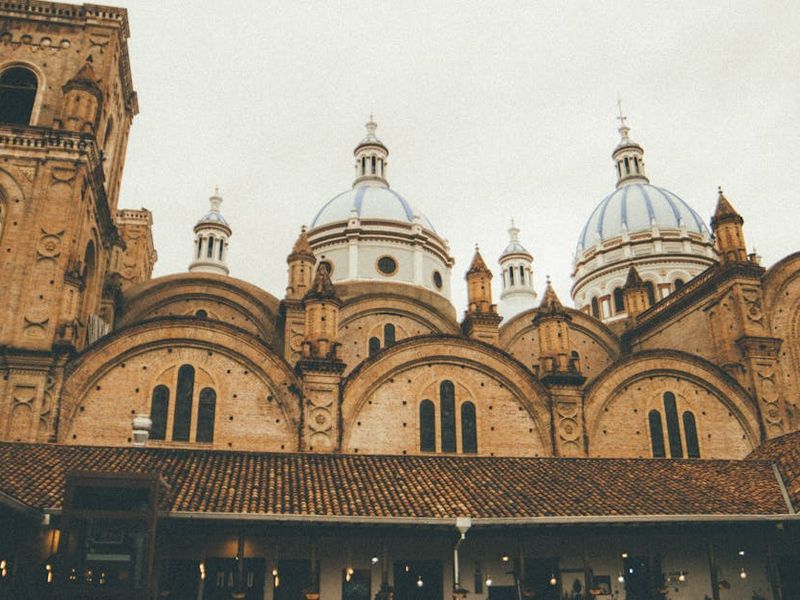
Check into your hotel or guesthouse in the Old Town near Parque Calderón. Spend the afternoon wandering the plaza, admiring the blue-tiled Cathedral of the Immaculate Conception (Catedral Nueva) and watching the local life unfold. Slip into a cafe for a strong Ecuadorian coffee, then walk across one of the bridges over the Tomebamba River for different angles of the city’s facades. Early evening is perfect for a relaxed dinner in a small restaurant—try llapingachos (potato pancakes) or a local hornado (slow-roasted pork).
Day 2 — Museums, churches and a cathedral rooftop climb
Dedicate a full day to the cultural heart of Cuenca. Start at Museo Pumapungo to learn about pre-Columbian life and the archaeology of the region; its recreated indigenous gardens are a peaceful introduction. Nearby, the Museo del Banco Central houses impressive archaeological and ethnographic collections. In the afternoon, climb the towers of the New Cathedral for sweeping views of the red domes and surrounding mountains—plan for about 200–300 steps, and bring water. Finish with a sunset walk along Calle Larga and a meal at a restaurant focusing on modern Ecuadorian cuisine.
Day 3 — Markets, artisans and the Barrio of San Sebastián
Begin at Mercado 10 de Agosto or another fresh market to observe daily commerce: colorful vegetables, fresh cheese, and flowers. Head to San Sebastián and El Barranco—this area is known for craft workshops, galleries and artisan studios. For jewelry lovers, a short trip to Chordeleg (about 45–60 minutes away) offers a wide selection of handcrafted silver and filigree pieces—perfect for souvenir hunting. If you prefer staying local, search for hand-loomed textiles, hats and woven goods in boutique shops scattered through the historic center.
Day 4 — Day trip to Cajas National Park
Reserve a day for Cajas National Park, only about a 30–60 minute drive from the city center depending on your starting point. This páramo landscape of lakes, high moors and short vegetation feels otherworldly. Choose a moderate hike—many trails loop by glacial lakes and provide excellent birdwatching opportunities (look for the Andean condor and local waterfowl). Bring warm layers, a windbreaker and snacks; weather can shift rapidly and it’s significantly colder than the city.
Day 5 — Food tour and coffee or chocolate experience
Devote this day to Cuenca’s flavors: take a guided food tour to sample street snacks like empanadas de viento, humitas, and traditional soups. You can also join a coffee tasting or a chocolate-making workshop; both are frequently offered by local artisans and small businesses. These experiences often include farm-to-cup background information and are great for learning about Ecuador’s agricultural regions and local producers.
Day 6 — Mirador de Turi, Parque de la Madre and a riverside evening
Start with a morning taxi up to Mirador de Turi for panoramic city views and a chance to visit craft stalls. On the way back, stop at the charming Parque de la Madre and stroll along the Tomebamba riverbank. For the afternoon, consider a short museum you missed or simply relax at a riverside cafe. In the evening, the bridges are beautifully lit and many locals gather for a relaxed stroll—join them and pick a bistro for a farewell-style dinner.
Day 7 — A slow day and departure prep
Use your last day to return to a favorite museum or shop, pick up any last-minute souvenirs, or enjoy a spa or traditional sauna if you want to unwind before departure. If your flight is later in the day, squeeze in one last market visit or a casual brunch near the plaza. Always leave extra time to get to the airport—traffic in the city can be unpredictable.
Top sights you shouldn’t miss
- Parque Calderón — the heart of the historic center and a great people-watching spot.
- New Cathedral (Catedral Nueva) — its blue domes are Cuenca’s most famous landmark.
- Museo Pumapungo and the Banco Central museum — excellent introductions to the region’s archaeology and ethnography.
- El Barranco — colorful houses and art studios along the riverbank.
- Mirador de Turi — the classic lookout for sunset photos.
- Cajas National Park — for alpine lakes, hiking and birding.
- Chordeleg and Gualaceo — day-trip villages known for silverwork and textiles.
Where to eat and what to try
Cuenca’s culinary scene ranges from street stalls to contemporary restaurants. Try these local dishes and treats:
- Llapingachos — cheesy potato patties often served with sausage and avocado.
- Hornado — roast pork served with mote (hominy) and plantains.
- Cuy (guinea pig) — a local specialty often reserved for celebrations; order it if you’re adventurous.
- Empanadas and humitas — great for quick snacks at markets.
- Cuenca-style ceviche — differs from coastal versions; it’s worth sampling for variety.
For dessert, try local fruit juices, helados (ice cream) made with tropical flavors, or a slice of flan. Coffee culture has grown in Cuenca: you’ll find specialty coffee shops offering single-origin beans and careful brewing methods.
Where to stay: neighborhoods and styles
The historic center around Parque Calderón is ideal for first-time visitors who want proximity to sights, restaurants and evening activity. For quieter stays with scenic river views, look for lodgings along the Tomebamba riverbanks or in El Barranco. If you prefer a neighborhood with a more local feel, San Sebastián offers artisan energy and smaller guesthouses. Regardless of the neighborhood, many accommodations are in restored colonial buildings—expect charming architecture and limited elevator access in older structures.
Packing list and seasonal tips
Daytime temperatures are comfortable but nights can be cool due to altitude. Pack layers: long-sleeved shirts, a fleece or sweater, a lightweight down jacket and a waterproof shell. Comfortable walking shoes or sturdy trainers are essential for cobblestone streets and hikes. Sunscreen and sunglasses are required at altitude, and insect repellent can be useful in greener areas and during day trips.
Rain is possible year-round, with wetter months typically from October to May; carry a compact umbrella or rain jacket. If you visit during December–February, expect more frequent showers and clearer skies often in mid-morning to afternoon.
Day trips beyond the city
Cuenca is an excellent hub for half-day or full-day journeys. Popular options include:
- Cajas National Park — lakes and trails for birding and hiking.
- Chordeleg — known for filigree silver and jewelry workshops.
- Gualaceo — traditional weaving and textile shops with authentic crafts.
- Ingapirca — the most significant Inca archaeological site in Ecuador (a longer day trip, often 2–3 hours each way).
Hiring a private driver for a day trip gives flexibility and can be surprisingly affordable; many hotels can arrange trusted local drivers or guided tours.
Cultural tips and local etiquette
Greet shopkeepers and service staff with a smile and a brief “buenos días” or “buenas tardes”—it goes a long way. Tipping is appreciated in restaurants (around 10% if service isn’t included). Learn a few Spanish phrases; even basic efforts are warmly received. Expect slightly different business hours: small shops may close mid-afternoon for a break and reopen later in the day.
Final tips to make the most of your week
Slow down and leave some open time in your itinerary to linger in a café, revisit a favorite viewpoint or join an unexpected cultural event. Check opening hours for museums—many have limited hours or close one day per week. Book popular guided trips (like Cajas hikes or artisan workshops) in advance during high season. Finally, embrace the easy pace of life in Cuenca: a week here should feel like a chance to get to know a place rather than race through its highlights.
With its balance of colonial charm, contemporary culture and access to wild highland landscapes, a week in Cuenca is the ideal amount of time to fall in love with this part of Ecuador. Whether you’re sketching cathedral domes, hiking glassy mountain lakes or bargaining for a silver necklace in Chordeleg, Cuenca rewards curiosity and a relaxed pace.