
Table of Contents
Why Spend a Week in Cuenca?
Cuenca, Ecuador’s elegant colonial city tucked into the southern highlands, is a place where bright-blue cathedral domes overlook cobbled plazas, riverside promenades invite slow afternoons, and nearby highland landscapes offer dramatic day trips. Seven days gives you time to soak up the historic center, dig into the food scene, visit a national park, explore indigenous craft towns and still leave the city feeling relaxed instead of rushed.
Quick Practicals Before You Go
Arrival and getting around
Cuenca’s airport (CUE) sits a short drive from the center; taxis and shared shuttles take about 20–35 minutes, depending on traffic. If you arrive overland, direct buses connect Cuenca with Guayaquil (about 3–4 hours) and Quito (longer, typically 8–10 hours). The historic core is compact and extremely walkable—pack comfortable shoes. For farther excursions, small tourist buses, colectivos and reputable tour operators are plentiful.
Money, language and altitude
Ecuador uses the US dollar. ATMs are widely available and many restaurants and shops accept cards, but carry cash for markets and small purchases. Spanish is dominant, though you’ll often find English at hotels and tour offices. Cuenca sits around 2,560 meters (about 8,400 feet), so take the first day easy to acclimatize: hydrate, avoid heavy exertion, and expect cool mornings and evenings.
How to Use This Week
This guide gives a flexible daily plan that balances sights inside the city with regional day trips. Swap a hiking day for a leisure day if you prefer a slower pace. Book Cajas Park tours and guided visits to Ingapirca or artisan towns in advance during high season (June–September).
Day 1: Arrival, Plaza Calderón and the Heart of the Old Town
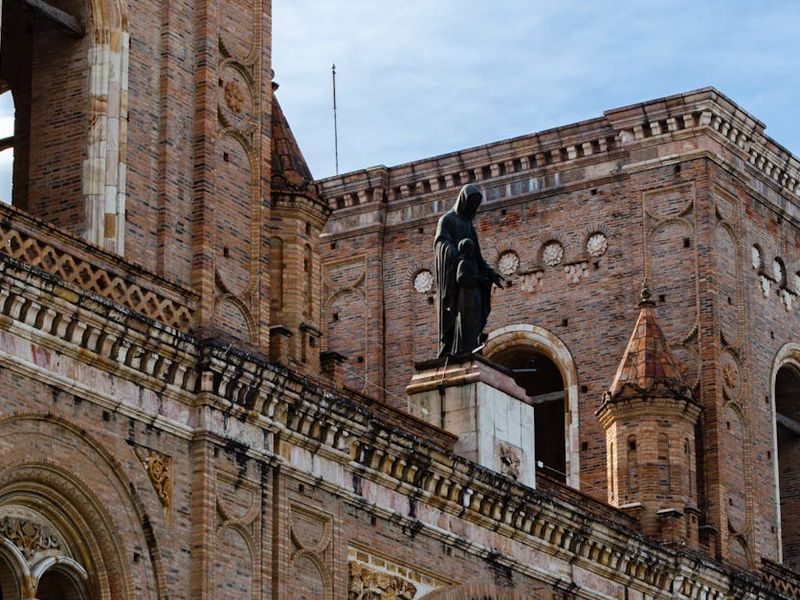
After settling into your hotel or guesthouse in the historic center, take a first gentle wander to Plaza Calderón. This large square is where locals and visitors mingle beneath the watchful blue domes of the New Cathedral (Catedral de la Inmaculada Concepción). Spend time walking the surrounding streets—Calle Larga is a lively pedestrian strip with cafes, shops and galleries.
Cross the Tomebamba River for photos of the colorful houses lining the banks and discover the narrow alleyways of El Barranco for sunset views. Keep your first evening simple: a light dinner of llapingachos (potato patties) or a plate of hornado (slow-roasted pork) and an early night to recover from travel and altitude.
Day 2: Museums, Markets and Local Food
Start with Museo Pumapungo to see archaeological displays and reconstructed Inca terraces—this museum provides essential context about the region’s pre-Colombian past. Nearby you’ll find small ethnographic exhibits and botanical ruins worth exploring.
For lunch, head to Mercado 9 de Octubre or the Central Market for an authentic local meal: mote pillo (corn and eggs), fresh juices, and grilled meats. Afternoons are perfect for museum-hopping: choose a modern art gallery or a small historical museum in the old town. In the evening, treat yourself to coffee at one of Calle Larga’s cafés and try local desserts or an artisanal ice cream.
Day 3: Day Trip to Cajas National Park
Just a short drive from Cuenca, Parque Nacional Cajas is a high Andean landscape of glacial lakes, cloud-swept páramo and rugged trails. It’s a photographer’s dream and a hiker’s playground. A typical itinerary includes a morning walk to a scenic lagoon, birdwatching for specialist Andean species, and a packed lunch on the trail.
Dress in layers: temperatures can change quickly and the winds can be strong. Many operators offer half-day and full-day guided hikes; choose a guide if you want to learn about local flora, highland farming or get off the beaten path safely. Return to Cuenca in the evening for a relaxed dinner by the river.
Day 4: Artisans and Handcrafts—Gualaceo and Chordeleg
Spend a day exploring the artisan towns of Gualaceo and Chordeleg, a short drive east of Cuenca. Gualaceo is known for colorful textiles and traditional weaving, while Chordeleg is famous for silver filigree jewelry and small shops selling handcrafted earrings, rings and bracelets.
Browse workshops, watch artisans at work, and pick up unique souvenirs like handwoven scarves or sterling silver pieces. If you time it right, you’ll encounter lively market days when villagers from surrounding communities bring produce, textiles and craft goods. Many tours include stops at local cafes where you can sample plantation-style coffee and traditional sweets.
Day 5: Ingapirca and Cañar Culture
Head further afield to Ingapirca, Ecuador’s largest Inca-era archaeological site, nestled in the Cañar province. The distinctive circular Temple of the Sun stands on a rocky outcrop and offers insight into Inca engineering and cosmology. Combine the visit with a drive through the Cañar highlands to see traditional highland villages, terraced fields and roadside markets.
Opt for a guided tour to fully appreciate the architecture and the mixed Cañari-Inca history. On the return to Cuenca, consider stopping in a small bakery or roadside vendor for empanadas or a cup of strong Andean coffee.
Day 6: Neighborhood Strolling, Workshops and a Cooking Class
Use this day to slow down and connect with Cuenca’s daily life. Spend the morning wandering the artisan neighborhoods like San Sebastián, where you’ll find independent galleries, small ateliers and friendly cafés. Take a leather workshop or a hat-making demonstration—Cuenca has several small shops and artisans willing to offer short classes.
In the afternoon, book a cooking class focused on Andean ingredients and techniques. Many classes start at a market where you pick fresh produce and then teach you to prepare local classics—this is a delicious way to deepen your appreciation for the cuisine and meet other travelers. Finish the evening with live music in a plaza bar or a quiet night enjoying the city’s riverside lights.
Day 7: Turi Viewpoint, Souvenir Shopping and Hot Springs
On your final day, catch morning light over the city from Mirador de Turi—a hilltop viewpoint offering sweeping panoramas of Cuenca and the surrounding valleys. Nearby vendors offer traditional snacks and coffee if you want to linger.
Spend the rest of your day picking up last-minute souvenirs: textiles, jewelry from Chordeleg vendors in town, or locally roasted coffee. If you’d like a relaxing finale, take a short trip to the hot springs near Girón for an afternoon soak—a pleasant way to unwind before travel day.
Where to Stay: Neighborhoods and Style
El Centro (Historic Center) is ideal if you want to be within walking distance of major sights, plazas and cathedral terraces. For a quieter, more local feel, look for guesthouses along the Tomebamba riverside or in the bohemian San Sebastián neighborhood. Mid-range hotels often occupy restored colonial buildings, offering character and central locations. If you prefer modern comforts, newer properties line the outer edges of the historic zone with convenient parking.
Eating and Drinking: What to Try
Cuenca’s gastronomy blends highland ingredients and colonial traditions. Don’t miss llapingachos (potato cakes), mote (hominy), and slow-roasted hornado. For adventurous diners, cuy (roasted guinea pig) is a regional specialty often reserved for celebrations. Street markets are the best place to sample fresh juices, local soups and simple home-style plates at friendly prices. Coffee lovers will appreciate local roasters and cozy cafés along Calle Larga and the riverside promenades.
Budgeting Your Week
Cuenca can be very affordable or pleasantly upscale depending on your choices. As a rough guide: backpacker/hostel-style travelers can manage on $25–40 per day including dorms, street food and public transport. Mid-range travelers who enjoy private rooms, sit-down meals and a few tours should budget $60–120 per day. If you prefer boutique hotels, private guides and fine dining, $150+ per day will give you comfortable flexibility.
Safety, Health and Local Etiquette
Cuenca is generally considered one of Ecuador’s safer large cities, but petty theft like pickpocketing still happens—keep an eye on bags, use hotel safes for passports and documents, and avoid poorly lit streets late at night. Tap water in much of the city is treated, but if you have a sensitive stomach, choose bottled water for drinking. Health services in Cuenca are good; many expats come here for dental work and medical care at a fraction of North American prices.
Respect local customs: a friendly greeting and a few phrases in Spanish go a long way. When visiting indigenous communities nearby, ask permission before taking photos and be mindful of local markets and artisans—bargain respectfully.
Packing List and Weather Tips
- Layered clothing: mornings and evenings are cool; afternoons can be warm in the sun.
- Good walking shoes for cobblestone streets and hiking days.
- Rain jacket or compact umbrella—showers are more common in the wet season (roughly December–May).
- Sunscreen and a hat—UV is strong at high altitude.
- Reusable water bottle and basic first-aid items.
Final Notes: Slow Travel in Cuenca
Spending a week in Cuenca allows you to immerse yourself in both the city’s historic rhythms and the surrounding highland culture. Balance structured tours with unplanned moments—sipping coffee in a plaza, lingering at a river terrace, or watching artisans work. Whether you’re drawn to museums and architecture, outdoor adventures in Cajas, or art and crafts in the smaller towns, a seven-day stay gives you the flexibility to enjoy Cuenca at a relaxed pace and leave feeling like you’ve truly experienced one of Ecuador’s most enchanting cities.
Buen viaje—enjoy exploring Cuenca’s plazas, markets, mountains and hidden corners.