
Table of Contents
Why Spend a Week in Cuenca?
Cuenca is one of Ecuador’s most charming cities: a UNESCO World Heritage center of colonial architecture, a lively cultural scene, and a compact layout that invites slow exploration. With an elevation around 2,560 meters (8,400 ft), mild days and cool nights, Cuenca rewards visitors who trade a rushed checklist for a relaxed pace. One week gives you time to soak in the plazas and churches, taste local cuisine, meet artisans, and take at least one or two memorable day trips to natural and archaeological wonders.
Before You Go: Practical Details
Currency, ATMs and Cards
Ecuador uses the US dollar as its official currency, which simplifies budgeting. ATMs are plentiful in Cuenca’s center and suburbs; carry some cash for markets and smaller vendors. Credit and debit cards are widely accepted in hotels, restaurants and most shops, but always ask before assuming.
Getting Around
Cuenca’s historic core is extremely walkable—most attractions cluster around Parque Calderón and along the Tomebamba River. For longer hops, licensed taxis are cheap and convenient; ask your hotel to call a reputable company or use a local taxi app where available. Intercity buses operate from the Terminal Terrestre for day trips, while guided tours provide easier access to national parks and archaeological sites.
Weather and What to Pack
The climate is temperate but changeable: bring a light waterproof jacket, layers for cool evenings, and comfortable shoes for cobblestone streets. Sun protection is important at altitude, so pack sunscreen and a hat. If you plan on hiking in El Cajas, include a warm mid-layer and sturdy hiking boots.
Health and Safety
Cuenca is generally safe for tourists, but petty theft can occur—keep valuables secure and be cautious in crowded markets. There are reputable private clinics and English-speaking doctors in town; travel insurance that covers medical evacuation is recommended. Tap water is generally treated, but many visitors prefer bottled water.
Where to Stay: Best Neighborhoods for a Week
Choose a home base that suits your travel style:
- Historic Center (Centro Histórico) – Ideal for first-time visitors: you’ll be steps from major churches, museums, restaurants and nightlife. Accommodations range from boutique hotels in restored colonial houses to mid-range inns.
- Along the Tomebamba River – Charming riverside walks, artisan shops and quieter streets. Great for romantic stays and evening strolls.
- Turi and Miradores – A short taxi ride uphill, this area offers stunning panoramas and larger properties if you prefer quieter nights away from the tourist crowds.
- Residential neighborhoods (for long stays) – If you’re staying more than a week or want a local vibe, look for apartments in quieter residential districts a short taxi ride from the center.
Seven-Day Itinerary: A Balanced Pace
The plan below blends museums and architecture with markets, day trips and free time. Swap activities to match your interests — food, hiking, crafts or history.
Day 1 – Arrival and Historic Center Orientation
Settle into your hotel, then head to Parque Calderón to orient yourself. Walk the pedestrianized streets—Calle Larga is famous for its cafés, artisan shops and colonial facades. Visit the Catedral de la Inmaculada Concepción (the New Cathedral) to admire the iconic blue domes from both inside and the plaza. End the day with a relaxed dinner at a riverside restaurant along the Tomebamba, sampling locro de papa (potato and cheese soup) or a local trout dish.
Day 2 – Museums, Markets and a Traditional Lunch
Begin at Museo Pumapungo, which blends ethnographic displays with Inca ruins and archaeological gardens. Nearby museums include the Museo del Banco Central (textiles, pre-Columbian pieces) and smaller house-museums that showcase colonial life. For lunch, visit the Mercado Central for fresh fruit juices, empanadas and local snacks—an excellent place to taste helado de paila (hand-churned ice cream).
Day 3 – Artisan Route: Silver, Textiles and Workshops
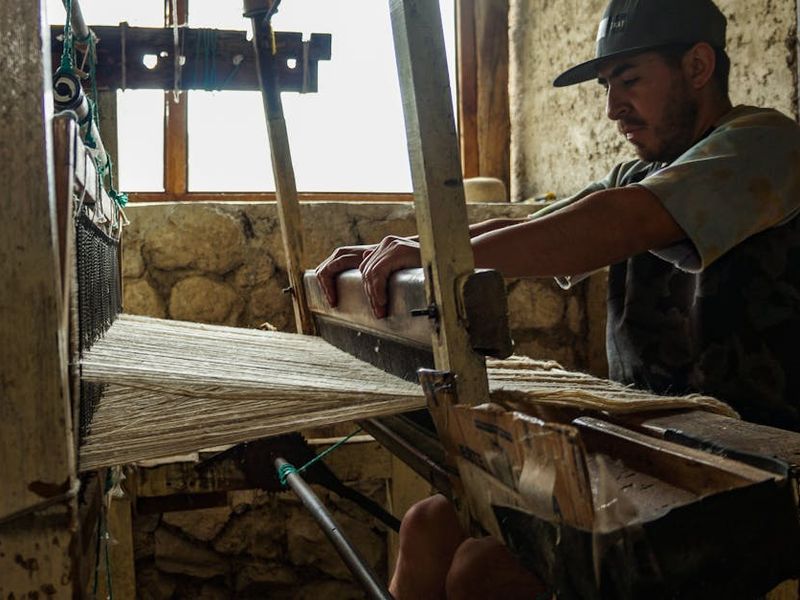
Reserve a day to explore nearby artisan towns. Chordeleg is famous for silver filigree jewelry, while Gualaceo is known for textiles, ceramics and a lively market. Many shops welcome visitors to watch artisans at work and offer pieces at fair prices. If you prefer not to drive, join a half-day guided tour that covers both towns and includes a local lunch.
Day 4 – El Cajas National Park: Lakes and Highland Hiking
Dedicate a full day to El Cajas, a páramo landscape dotted with glacial lakes. It’s perfect for hiking, birdwatching and scenic photography. Temperatures are cooler here, so layer up and bring water. Guided hikes range from gentle walks to more strenuous treks—book a tour with transport from Cuenca, or rent a car if you prefer independent exploration.
Day 5 – Archaeology and Local Flavors: Ingapirca
Visit Ingapirca, Ecuador’s most important Inca-era site, roughly an hour or two from Cuenca by car or tour. Wander the ruins, learn about the solar temple and appreciate the views of the surrounding valley. On the way back, stop at a roadside restaurant to try hornado (slow-roasted pork) or other Andean specialties.
Day 6 – Slow Day in Cuenca: Parks, Cafés and a Cooking Class
After two big day trips, enjoy a more relaxed day. Browse artisan shops along Calle Larga, sip coffee in a specialty café, and take a cooking class to learn how to prepare Ecuadorian favorites like llapingachos (potato cakes) or seco de pollo (stew). In the evening, consider a sunset taxi to the Turi mirador for panoramas of the city lights and the cathedral domes.
Day 7 – Neighborhood Exploration and Departure Prep
Use your last day to visit any spots you missed—perhaps a small contemporary art gallery or a boutique showcasing local designers. Pick up souvenirs: silver jewelry, handwoven textiles, or a locally made hat. If your departure is in the evening, relax with a riverside meal and a final walk along the Tomebamba before heading to the airport or bus terminal.
Food and Drink: What to Try and Where
Cuenca’s food scene mixes traditional Andean dishes with modern international options. Don’t miss:
- Locro de papa – A comforting potato and cheese soup often enjoyed as a starter.
- Cuy al horno – Roasted guinea pig, a local specialty served at traditional restaurants; try small portions first.
- Hornado – Roast pork, usually served with mote (corn) and salad.
- Helado de paila – Traditional artisanal ice cream made in a metal pan; refreshing and unique.
- Specialty coffee – Ecuador produces excellent coffee; sample fresh-brewed beans at independent cafés around Calle Larga and the riverbank.
Restaurants near Parque Calderón offer convenience and scenery, while smaller cafés and markets provide the most authentic, budget-friendly meals.
Day-Trip Options and Alternatives
If you want to swap a day in the itinerary, consider these alternatives:
- Birdwatching and nature reserves – The cloud forest regions near Cuenca are superb for birders; local guides can tailor half- or full-day trips.
- Hot springs and wellness – Regions outside the city have thermal pools where locals relax—perfect for sore muscles after hiking.
- Art and contemporary culture – Smaller galleries and cultural centers often host temporary shows and performances; check local listings for events.
- Day tours for families – Look for tours with shorter walks, interactive artisan visits and cultural demonstrations suitable for kids.
Budget Guide: What to Expect to Spend
Costs in Cuenca are moderate by international standards, but prices vary with comfort level:
- Budget travelers: $25–50 per day – hostel dorms or budget guesthouses, markets and inexpensive local meals, public transport or walking.
- Mid-range: $60–150 per day – boutique hotels or private Airbnbs, sit-down dinners, guided day trips and occasional taxis.
- Luxury: $150+ per day – upscale hotels, private guides, fine dining and private transfers.
Guided day trips to destinations like El Cajas or Ingapirca typically run $40–100 depending on group size and inclusions.
Local Tips and Cultural Notes
- Language – Spanish is the dominant language. Learning a few phrases goes a long way and many vendors appreciate the effort. In tourist areas you’ll find English speakers, but less so in markets and small towns.
- Shopping – Haggle gently at markets; prices in shops are usually fixed. Inspect silver jewelry and ask about sterling marks if you’re buying precious metals.
- Respectful behavior – Dress modestly for visits to churches and religious events. Ask permission before photographing people, particularly in traditional communities.
- Tipping – A small tip is appreciated in restaurants (10% is common) and for guides and drivers.
Accessibility and Mobility Considerations
Cuenca’s cobblestone streets and historic buildings mean some areas are challenging for travelers with mobility limitations. If accessibility is a priority, call ahead to hotels and museums—many are adapting with ramps and elevators, but historic sites can still have uneven surfaces and stairs. Taxis can offer door-to-door service which helps reduce walking distances.
Final Advice: Slow Down and Leave Room for Discovery
A week in Cuenca is an invitation to balance planned experiences with unstructured moments: lingering over coffee, watching a procession, bargaining at a market stall or simply people-watching in Parque Calderón. The city’s true charm appears when you slow your pace—chat with a vendor, follow a side street to finding a quiet courtyard, or accept an invitation to a local festival. Whether you’re an active hiker, an art lover, or a foodie, Cuenca rewards curiosity and a relaxed sense of time.
With this plan and these tips, you’ll be ready to craft a week that matches your interests while leaving room for the unexpected delights that make the best travel stories.