
Table of Contents
Why Spend a Week in Cuenca?
Cuenca, Ecuador’s UNESCO-listed jewel in the southern Sierra, rewards a slow and curious pace. With cobblestone streets, blue-domed cathedrals, lively riverside promenades and nearby highland parks, a full week lets you sink into the rhythm of the city, taste regional cuisine, meet artisans and take day trips without rushing.
Located at about 2,560 meters (8,400 ft) above sea level, Cuenca combines mild year-round temperatures with distinct microclimates. That makes it easy to mix relaxed city exploration with nature hikes and cultural outings—provided you plan for altitude, weather changes and local transport.
Quick Practicalities Before You Go
Currency: Ecuador uses the U.S. dollar. Have small bills for taxis and markets.
Language: Spanish is dominant. English is increasingly common in hotels and restaurants, but a few basic Spanish phrases will go far.
Getting there: Cuenca’s Mariscal Lamar Airport (CUE) has regular flights from Quito and Guayaquil. Long-distance buses connect to major cities across Ecuador at the Terminal Terrestre.
Walking and taxis: The historic center is compact and best explored on foot. Taxis are inexpensive—look for registered vehicles or use local radio taxi services. Ride-hailing apps operate intermittently.
Weather and packing: Bring layers—light rain jacket, warm sweater for evenings and sturdy walking shoes. The dry season typically runs June–September; expect afternoon showers at other times.
One-Week Itinerary Overview
Below is a balanced, realistic itinerary that mixes Cuenca’s must-sees with slower days and authentic side trips. Swap activities to match your energy and weather.
Day 1 – Arrival and First Impressions
Arrive at Mariscal Lamar Airport or the bus terminal and settle into your accommodation—opt for a place near Parque Calderón or the Tomebamba River for the best ambiance. Spend the afternoon wandering the central plazas: Plaza de San Francisco, Plaza Calderón and the pedestrian streets that radiate from them.
Take an easy first walk along the Río Tomebamba. The riverside patios and small cafés are perfect for people-watching and sampling your first cuy empanada or a bowl of locro de papas (a creamy potato and cheese soup).
Day 2 – Historic Center, Cathedrals and Museums
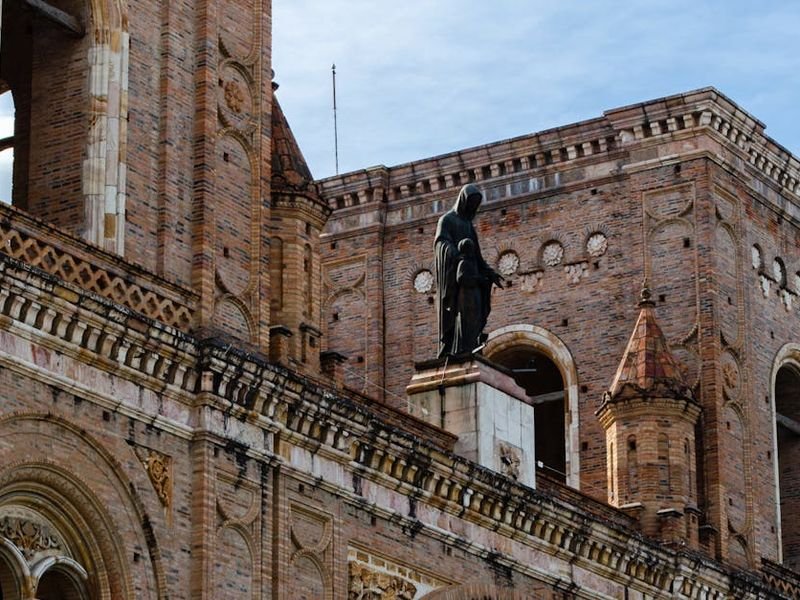
Start at the New Cathedral (Catedral de la Inmaculada Concepción) with its striking blue domes—climb to one of the viewpoints for panoramic shots of the city. Next stroll to the Old Cathedral and the museums clustered around Parque Calderón.
Must-visits: Museo Pumapungo (archaeology and ethnography, with on-site Inca ruins and gardens) and the Banco Central Museum for local art and history. Finish at an artisan neighborhood like El Carmen or San Sebastián to see workshops and small galleries.
Day 3 – Turi Viewpoint, Mercado 10 de Agosto and Nightlife
Morning: walk or take a taxi up to Mirador de Turi for a superb view of Cuenca’s rooftops and surrounding hills. There’s a modest church and several vendors offering fresh fruit and coffee.
Afternoon: dive into Mercado 10 de Agosto or the Central Market for a sensory feast—fresh produce, street food stands, and local specialties. Try helado de paila (hand-churned ice cream) and a hot cup of Andean coffee.
Evening: return to the center for live music or a relaxed drink by the river. If you enjoy classical music, check the schedules—Cuenca has frequent chamber concerts and small cultural events.
Day 4 – El Cajas National Park (Full Day Nature)
El Cajas is about 30–45 minutes by car or shuttle west of Cuenca. This páramo landscape has dozens of glacial lakes, high trails and birding opportunities (including rare waterfowl). Altitudes in the park range from about 3,100 to over 4,000 meters—bring warm layers and plan a moderate hike of 2–4 hours.
Practical tip: hire a local guide for shorter hikes and to help with route choices and wildlife spotting. Tours often include pickup from your hotel.
Day 5 – Ingapirca and Cañar Culture
Drive north to the Ingapirca ruins, the largest known Inca site in Ecuador, set in the Cañar highlands. The stonework and solar temple reveal Inca craftsmanship adapted to local conditions. Combine this with a stop in a nearby Cañari town for insights into pre-Inca history and contemporary indigenous crafts.
Timing: Ingapirca is roughly 1.5–2 hours from Cuenca. It’s feasible as a long day trip or an overnight if you prefer less driving in one day.
Day 6 – Artisan Route: Gualaceo, Chordeleg and Paute
Explore the nearby artisan towns: Gualaceo for textiles and local markets, Chordeleg famous for silver jewelry and filigree work, and Paute—known for scenic countryside and small-scale agriculture. These towns offer authentic shopping away from tourist traps and opportunities to visit family-run workshops where you can see jewelry-making or weaving in person.
Tip: bargain respectfully and ask about materials and care. Many artisans will demonstrate their craft if you show genuine interest.
Day 7 – Slow Morning, Last-Minute Shopping and Sunset
Spend your final day revisiting favorite spots. Browse local boutiques for panama hats (made from toquilla straw, often sold as “Panama” hats though woven in Ecuador), ceramics and textiles. Enjoy a leisurely lunch at a riverside café and catch the sunset from Turi or one of the bridges crossing the Tomebamba.
Plan a farewell dinner with traditional flavors: try hornado (slow-roasted pork), mote (hominy) dishes, and a dessert like dessert like quesillo (Ecuadorian flan) or more helado de paila.
Where to Eat and What to Try
Cuenca’s food scene blends Andean staples with contemporary dining. Street stalls and markets offer hearty, budget-friendly meals; upscale restaurants focus on seasonal ingredients and creative plating.
- Locro de papas – a filling potato and cheese soup.
- Cuy – roasted guinea pig, a traditional celebratory dish; try it at a reputable restaurant.
- Hornado – slow-roasted pork often served with mote and salad.
- Helado de paila – artisanal sorbet churned in a cold metal pan, perfect for warm afternoons.
- Fresh Ecuadorian coffee and bread from local bakeries—don’t miss the fritada or empanadas for snacks.
Where to Stay: Neighborhoods and Vibes
Historic center: ideal for first-time visitors who want to be within walking distance of major sights, restaurants and nightlife.
Riverside barrios (El Vergel, San Sebastián): quieter, scenic, often with boutique guesthouses and cafés overlooking the Tomebamba.
Turi and outskirts: good for travelers who prefer larger properties, views, and a short drive to the center.
Health, Safety and Comfort Tips
Altitude: at 2,560 m you may notice shortness of breath or mild headaches. Drink water, avoid alcohol on your first day, take it easy and consider coca tea if you’re comfortable with local remedies. If you have heart or respiratory issues consult a physician before traveling.
Safety: Cuenca is considered one of the safest large cities in Ecuador, but standard precautions apply—watch belongings in crowded areas, avoid poorly lit streets at night and keep copies of important documents.
Water: tap water in Cuenca is treated in many parts of the city, but if you prefer, stick to bottled water or use a portable purifier.
Money-Saving and Local Tips
- Buses are cheap and efficient for short intra-city trips and regional travel. Ask locals for recommended routes and schedules.
- Markets are great for budget meals and fresh produce—perfect for picnics in Parque Calderón or along the river.
- Negotiate carefully at artisan markets; many workshops set fair prices and will accept reasonable haggling.
- Consider hiring a day driver for El Cajas or Ingapirca if you want a flexible schedule and to reach viewpoints outside main trails.
Hidden Gems and Offbeat Ideas
Visit lesser-known museums, like small private collections of contemporary Ecuadorian art and photography. Walk the residential streets north of Parque Calderón for photogenic colonial facades and unexpected cafés.
Attend a community event: Cuenca hosts frequent neighborhood festivals, concerts and artisan fairs. Ask your hotel about local listings—this is an excellent way to experience authentic culture and meet locals.
Try a hands-on craft workshop: many artisan shops offer short classes on hat weaving, jewelry-making or natural dye techniques—great for souvenirs with a story.
Sample Daily Budget
Budgets vary, but here’s a rough per-day guide for different travel styles:
- Backpacker: $30–$50 (hostel, market meals, public transport)
- Mid-range: $60–$120 (3-star hotel or boutique guesthouse, mix of markets and restaurants, occasional taxi)
- Comfort traveler: $150+ (upper-range hotels, guided tours, private transfers)
Final Thoughts: How to Make the Most of a Week
A week in Cuenca is long enough to fall in love with the city without feeling rushed. Balance sightseeing with relaxed mornings, pick two full-day trips (El Cajas and Ingapirca are classic choices), and leave room for spontaneous discoveries—an artisan workshop, a new café or a late-night music performance.
Carry comfortable shoes, protect against sudden weather changes, and be curious: talk to shopkeepers, sample regional foods and take the slower cobblestone routes. Cuenca’s charms are best discovered off the main thoroughfares and in conversations with the people who call this clear, scenic city home.
Buen viaje y disfruta Cuenca—take your time and let the city reveal itself.