
Table of Contents
Why spend a week in Cuenca?
Cuenca moves at a relaxed pace but is packed with layers: a UNESCO-listed historic center, museums and riverside promenades woven through working markets and neighborhoods where everyday Ecuadorian life plays out. One week gives you time to soak up the city’s architecture and cuisine, take short day trips into highland nature and crafts towns, and still leave space for slow mornings and impromptu discoveries.
Quick practical facts before you go
Cuenca sits at roughly 2,560 meters (about 8,400 feet), so you’ll feel the highland coolness and should pace yourself on arrival. Ecuador uses the US dollar; ATMs are common and many businesses accept cards but carry some cash for markets and small shops. Spanish is the language of daily life—basic phrases go a long way—but you’ll find English in many hotels, museums, and tour services.
Weather is mild year-round with frequent afternoon showers—layered clothing, a light waterproof jacket and comfortable walking shoes are essential. Safety-wise, Cuenca is generally one of Ecuador’s safer cities; typical precautions (watch your belongings, use well-lit streets at night, and agree fares with taxi drivers) will keep you comfortable.
Where to stay: neighborhoods that make a week easy
For a weeklong stay choose a base that blends charm and convenience. The Historic Center around Parque Calderón puts you within walking distance of major churches, museums and dining. Riverside neighborhoods along the Tomebamba and Yanuncay rivers offer quieter streets and scenic walks. For longer stays consider an apartment near the city’s cafés and bakeries so you can settle into a morning routine.
Getting around during your week
Cuenca is very walkable in the centro histórico. Short taxi rides are inexpensive; agree a price or use an app-based service if available. Local buses are the cheapest option and cover the city well but can be confusing if you’re carrying luggage. For day trips, shared shuttle tours and private drivers are common and save time when getting to national parks or outlying towns.
Day 1 — Arrival and a gentle introduction
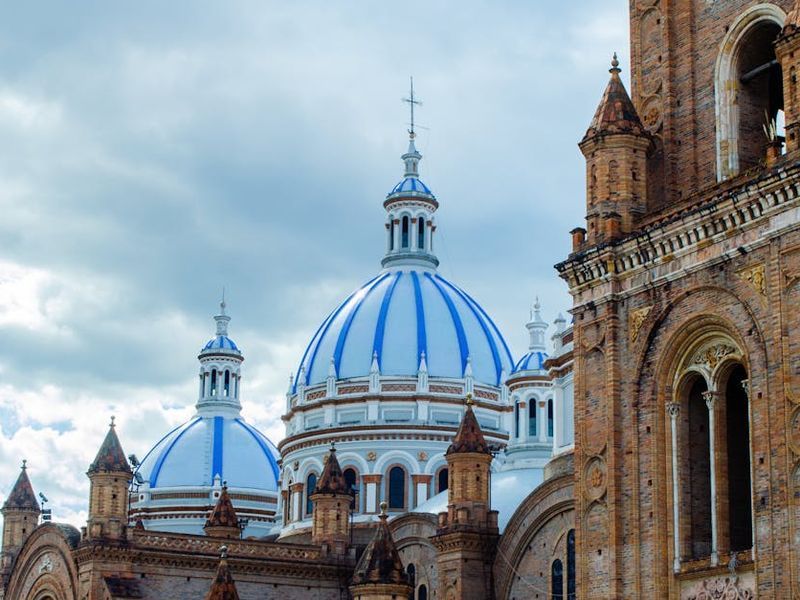
Plan for a light first day to acclimatize. Check into your accommodation, drop your bags, and head to Parque Calderón—the city’s heart—where locals and tourists mingle beneath the cathedral’s blue domes. Wander the adjacent streets, look into artisan shops, and walk down to the Tomebamba riverside promenades for a calm late-afternoon stroll.
As evening falls enjoy a relaxed meal at a neighborhood eatery. Try a local soup like locro de papas (creamy potato and cheese soup) or mote pillo, a corn-and-egg specialty. Early nights help your body settle into the altitude.
Day 2 — History, museums and church towers
Use your second day to explore Cuenca’s cultural must-sees. Start at the Museo Pumapungo to hear the pre-Columbian and colonial stories of the region and stroll the archaeological terraces and gardens. From there, visit the Catedral Nueva (the New Cathedral) and, if available, climb one of the tower viewpoints for panoramic city views.
In the afternoon choose between the Museo de las Conceptas—a former convent with religious art and cloistered gardens—or one of Cuenca’s contemporary art galleries. Evening is a great time to join a free walking tour or a themed guided tour that explains the city’s history and daily life from a local perspective.
Day 3 — Markets, food stalls and a cooking immersion
Dedicate a morning to Cuenca’s lively markets. Visit a municipal market to discover colorful produce, homemade cheeses and local street snacks such as llapingachos (potato patties). Markets are where you can taste true regional flavors on a budget—try freshly squeezed fruit juices or small traditional plates from market food stalls.
If you love food, take a short cooking class in the afternoon to learn how to make Ecuadorian staples. These classes often include a market tour to purchase ingredients and give you skills to recreate favorite dishes after you return home.
Day 4 — Day trip to El Cajas National Park
One of the highlights near Cuenca is El Cajas National Park, a high-altitude landscape of rolling páramo and scattered glacial lakes. It’s about a 45–60 minute drive from the city center. Book a guided hike to access better trails and learn about the fragile ecosystem. Trails vary in difficulty—choose one that fits your fitness and be prepared for brisk winds, cold temperatures and rapidly changing weather.
Bring water, snacks, a warm layer and sun protection; a common short hike takes you to one of the larger lakes with rewarding reflective views. Return to Cuenca for dinner and a warm beverage—hot chocolate is a local favorite on cool nights.
Day 5 — Artisan towns: Chordeleg and Gualaceo
Spend a day exploring nearby artisan towns famous for their handcrafts. Chordeleg is known for silver filigree jewelry and small workshops where you can watch artisans at work and buy jewelry directly. Gualaceo, often paired with nearby Sigsig, has vibrant textile workshops and a lively market where alpaca products, woven belts, and colorful fabrics are sold.
These towns are close enough for an easy day trip by bus or car; budget time to wander side streets, visit small family-run shops and enjoy roadside food stands for lunch. If you’re shopping for souvenirs, look for quality and ask about the materials and traditional techniques.
Day 6 — Ingapirca ruins and Cañar landscapes
For a step back into pre-Columbian history, make a day trip to the Ingapirca archaeological site in the Cañar province. It’s the largest Inca site in Ecuador and offers a fascinating mix of Inca and earlier indigenous architecture. Guided tours explain the astronomical alignments and stonework techniques, and the surrounding highland vistas are impressive.
Combine the visit with stops in small highland communities along the route to appreciate local life and regional cuisine. This longer day trip is worth it for history buffs and photographers.
Day 7 — Slow day: art, coffee and last-minute shopping
Use your final day in Cuenca to slow down. Revisit a favorite café, stroll artisanal boutiques and pick up anything you want to bring home. Spend some time in parks that locals frequent—like the riverside promenades—to watch daily life, musicians and families.
If you missed any museums earlier in the week, this is a good day to visit them at a leisurely pace. In the evening, choose a special dinner spot to celebrate your week—perhaps a rooftop view or a restaurant that focuses on contemporary Ecuadorian cuisine to finish your trip on a delicious note.
Budgeting and timing tips for a week
Daily costs vary by style: budget travelers can manage on roughly $30–50 per day if using hostels or shared accommodation and eating at markets; midrange travelers typically spend $75–150 daily for private rooms, guided day trips and restaurant meals. Book popular tours (El Cajas, Ingapirca) a day or two in advance, especially on weekends or during Ecuadorian holidays.
Packing list and health considerations
Packing right for Cuenca’s highland climate matters. Essentials include layered clothing, a light waterproof jacket, comfortable walking shoes, sunscreen, a hat, and sunglasses. Bring any altitude-aware medications if you have previous sensitivity, and allow your first day to be relaxed. Drinking bottled or treated water is a common precaution, and carry insect repellent if you plan to visit rural or wetland areas.
Language, culture and respectful travel
Attempting Spanish phrases—even simple greetings—will always be appreciated. Learn a few basics: buenos días, por favor, gracias, cuánto cuesta, and dónde está. When visiting small towns and artisan workshops, ask permission before taking photos and consider bargaining politely if prices are negotiable, but respect artists’ time and craft.
Safety, connectivity and money
Cuenca has good mobile connectivity in most parts of the city; get a local SIM if you need consistent data for maps and communications. Use bank ATMs inside banks rather than street machines when possible, and keep small bills for markets and taxis. For peace of mind, leave copies of your passport with your accommodation and carry only what you need each day.
Extra experiences to consider if you have more time
If your week in Cuenca expands, consider overnight trips to the tropical eastern foothills, a multi-day trek in El Cajas, or a visit to the nearby warm springs for a restorative soak. Festival calendars sometimes feature parades, religious processions or artisan fairs; check local listings for unique events during your stay.
Final tips to make the week perfect
- Mix planned activities with free time—Cuenca rewards slow discovery.
- Book one or two guided excursions (El Cajas, Ingapirca) and use other days to wander independently.
- Try regional specialties in small local places—food markets are culinary classrooms.
- Reserve a morning for the riverside walks—light, water and architecture combine beautifully at dawn.
- Bring a small daypack with refillable water, layers and a guidebook or notes—you’ll thank yourself mid-hike.
Seven days in Cuenca gives you enough time to absorb the city’s colonial beauty, taste its regional cuisine, meet artisans, and venture into highland landscapes without feeling rushed. Balance iconic sights with the simple pleasures—cafés, river walks, and market stalls—and you’ll leave with both a clear sense of place and ideas for your next Ecuadorian adventure.