
Table of Contents
Why Cuenca’s Pace Feels Different—and Why That’s a Good Thing
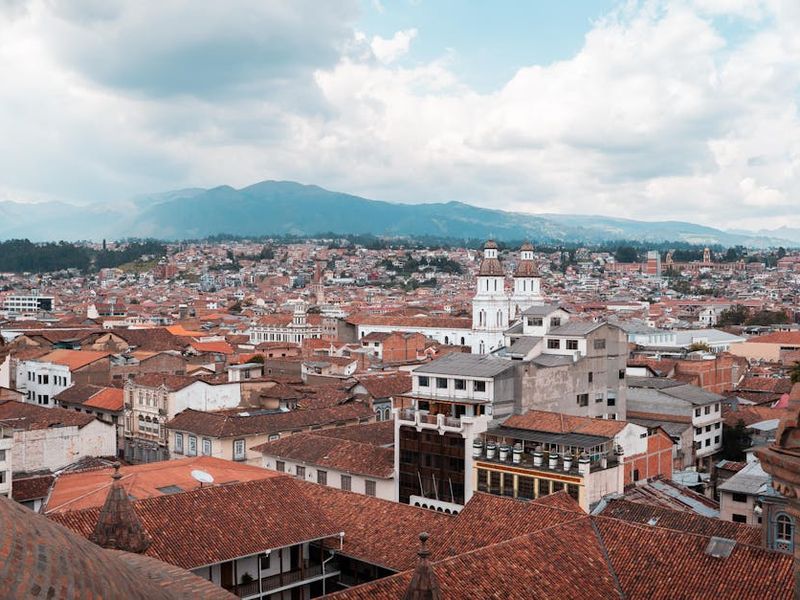
Moving to Cuenca, Ecuador, often feels like stepping into a quieter chapter of life. The city’s UNESCO-listed historic center, tree-lined plazas, and the gentle flow of the Tomebamba River set a tone that values conversation over speed. For many newcomers that relaxed tempo is a relief; for others it can be disorienting. Recognizing the positives and preparing for practical differences will help you settle in faster and appreciate Cuenca’s particular brand of tranquility.
Understand the Local Tempo: What Slower Living Looks Like in Cuenca
Cuenca’s pace shows up in small ways: shop owners who chat with customers at length, lunchtime cafés brimming with locals, and weekends when parts of the city seem to exhale. The city’s climate—mild days and cool evenings at about 2,500–2,600 meters (roughly 8,200–8,500 feet)—encourages a relaxed daily rhythm. Public life centers around plazas, neighborhood bakeries, and the riverside paseo rather than high-intensity commerce.
Expect a Different Business Rhythm
Some businesses close for a couple of hours in the afternoon, while others keep steady hours. Banks and government offices generally operate Monday through Friday with predictable hours, but smaller shops and services may be more fluid. Plan appointments and important errands earlier in the day, and keep extra days in mind when dealing with bureaucracy.
Practical Tips to Adjust Your Daily Routine
Transitioning to a calmer lifestyle doesn’t mean doing less—it means reshaping your habits. Here are pragmatic steps that help expats align with Cuenca’s rhythm without sacrificing productivity.
- Create a morning ritual: Start with a stroll along the Tomebamba River or a coffee at a neighborhood panadería. This anchors your day without making you rush.
- Schedule heavy tasks for mornings: If you need a bank visit, government appointment, or medical check, mornings are the most reliable time.
- Adopt the paseo: Many locals take an evening walk in the central plazas. It’s a low-pressure social routine that helps you meet neighbors and practice Spanish.
- Plan for slower service: Restaurants, shops and professional services may take time—be patient and avoid micro-stress.
Neighborhoods and Housing: Choose Where Your Pace Matches Your Lifestyle
Picking the right neighborhood can make a huge difference in how comfortable you feel with the city’s tempo.
Where to Live if You Want Quiet
If your goal is calm, consider areas a little outside the historic core or higher up the hills where mornings are quieter and the air is crisper. Look for apartments with balconies or courtyards—outdoor space is highly valued in Cuenca.
Where to Live if You Want Community
The Centro Histórico keeps you at the center of activity: cafes, museums like Pumapungo, and cultural events are within walking distance. This is ideal for expats who want ease of access to services and an active social life.
When house-hunting: prioritize walkability to plazas, proximity to a health clinic or pharmacy, and reliable internet access. Work with trusted real estate agents and ask neighbors about noise, water supply, and how often the area hosts weekend markets or festivals.
Language and Social Tips: Connect to Feel at Home
One of the fastest ways to feel integrated—and to slow down with confidence—is to invest in Spanish. Even conversational Spanish makes daily interactions richer and reduces the friction of small transactions.
- Take a class: Local language schools and the Universidad de Cuenca offer practical classes. Small group lessons are affordable and provide immediate practice.
- Learn local expressions: Words like tranquilo and listo are used frequently—knowing them helps you read social cues.
- Join community groups: Volunteer at Museo Pumapungo, enroll in a pottery or weaving workshop, or attend services and local cultural events—these settings accelerate friendships.
Daily Logistics: Money, Transportation, and Connectivity
Understanding how daily systems work in Cuenca helps reduce stress and makes relaxation feel intentional rather than forced.
Currency and Banking
Ecuador uses the U.S. dollar, which simplifies budgeting for many expats. Banks are reliable, but expect lines. Keep small bills and coins handy for markets, taxis, and street vendors. ATMs are widely available, and many banks offer services in English—though Spanish proficiency helps.
Getting Around
Taxis are affordable—agree on a fare if a meter isn’t used. Buses are cheap and extensive; bring small change and learn the routes. Ride-hailing apps are intermittently available in Ecuador and can be useful in busy times. For day trips, rent a car through reputable agencies or join organized tours (especially for visiting Cajas National Park or artisan towns).
Internet and Phones
Internet is generally good in urban areas; many apartment buildings have fiber connections. Mobile SIMs from providers like Claro and Movistar are inexpensive and easy to top up. Use WhatsApp for local communication, and consider a local number for services and registrations.
Healthcare and Safety: Practical Peace of Mind
Cuenca is known for strong private and public healthcare options. Major hospitals and clinics provide quality care, and many doctors speak some English. It’s wise to find a regular clinic and register with a primary physician early.
- Health insurance: Consider local or international plans that include outpatient and hospital coverage.
- Pharmacies: Well-stocked and often staffed with helpful technicians; many medications are available over the counter that would require prescriptions elsewhere.
- Safety: Cuenca has a reputation for being safe, but petty crime happens—use common-sense precautions like securing valuables, not flashing electronics, and avoiding poorly-lit streets at night.
Embrace Local Food and Markets
Food is one of the most pleasurable ways to slow down. Cuenca’s markets and bakeries invite lingering—grab a café con leche and a fresh bollo or try local specialties like hornado and llapingachos. Regular market visits will both replenish your kitchen and help you learn seasonal rhythms.
Markets and Day Trips for Food Lovers
Visit Mercado Central for fresh produce and local ingredients. For artisan goods, take a short trip to nearby towns like Chordeleg (known for silver jewelry) or Gualaceo (textiles and ceramics). Don’t miss helados de paila, a hand-churned ice cream that’s a favorite on warm afternoons.
Cultural Norms: Small Things That Make a Big Difference
Cuencanos (people from Cuenca) are generally polite and value leisurely conversation. Basic cultural etiquette goes a long way: greet shopkeepers, say buenos días or buenas tardes, and use formal titles until you’re invited to be informal.
- Punctuality: Business and formal appointments are best kept on time. Social gatherings may have more relaxed start times.
- Personal space and greetings: Handshakes are common, and friends or acquaintances may exchange a cheek kiss or two.
- Respect for tradition: Religious festivals and public holidays are observed widely—services and processions can close streets and businesses, so plan for those days.
Activities That Help You Slow Down—and Thrive
Being intentional about how you spend your free time will accelerate your enjoyment of Cuenca’s slower pace.
- Walking the river paseo: Daily walks along the Tomebamba are restorative and social. They offer a low-effort way to learn your neighborhood.
- Explore cultural sites: Spend afternoons at places like Museo Pumapungo or the cathedral plaza, and attend occasional concerts or theatre performances to soak in local culture.
- Outdoor escapes: Make day trips to El Cajas National Park for hikes and lakes; nature helps recalibrate expectations of time and pace.
- Take a class: Join a ceramics, weaving, or cooking class. Learning a craft grounds you in place and creates community.
Handling Frustration: When Slow Feels Too Slow
There will be days when errands, service, or bureaucracy feels frustrating. Prepare a few strategies to stay calm and productive:
- Build buffer time: Allow extra time for appointments and deliveries.
- Carry patience tools: Bring a book, notebook, or language app to practice while waiting.
- Keep a list: Prioritize tasks at the start of the week so you can batch errands when needed.
- Have local help: Hire a bilingual assistant or translator for complicated paperwork if needed—this can speed up relocation and residency processes considerably.
Final Thoughts: Make the Slow Yours
Adjusting to Cuenca’s relaxed lifestyle is less about forcing yourself to slow down and more about choosing how you fill your time intentionally. Build routines that honor both your need for productivity and the city’s unhurried rhythm. Use local resources—language classes, neighborhood associations, and the expat community—to find support, and allow yourself to discover how sustaining a quieter pace can be.
With practice, you’ll find that Cuenca’s tranquility isn’t empty time—it’s a framework for a richer daily life, where simple pleasures, social ties, and natural beauty become the measures of a well-spent day.
Adam Elliot Altholtz serves as the Administrator & Patient Coordinator of the "Smilehealth Ecuador Dental Clinic", along with his fellow Expats' beloved 'Dr. No Pain', right here in Cuenca, Ecuador, and for purposes of discussing all your Dental needs and questions, is available virtually 24/7 on all 365 days of the year, including holidays. Adam proudly responds to ALL Expat patients from at least 7:00am to 9:00pm Ecuador time, again every single day of the year (and once more even on holidays), when you write to him by email at info@smilehealthecuador.com and also by inquiry submitted on the Dental Clinic's fully detailed website of www.smilehealthecuador.com for you to visit any time, by day or night. Plus, you can reach Adam directly by WhatsApp at +593 98 392 9606 or by his US phone number of 1‑(941)‑227‑0114, and the Dental Clinic's Ecuador phone number for local Expats residing in Cuenca is 07‑410‑8745. ALWAYS, you will receive your full Dental Service in English (NEVER in Spanish), per you as an Expat either living in or desiring to visit Cuenca by your Dental Vacation, plus also to enjoy all of Ecuador's wonders that are just waiting for you to come arouse and delight your senses.