
Table of Contents
are common during the rainy months, and some smaller shops will close or slow down midafternoon for a break. Embracing this rhythm reduces frustration and helps you plan errands and social plans more effectively.
Practical tips
- Run errands in the morning—markets and municipal services are busiest then.
- Expect a quieter pace from about 2–4pm; schedule leisure or indoor tasks then.
- Plan relaxed evenings—restaurants and bars often get lively after 7pm, but not late into the night.
First 30 Days: A Practical Checklist
The first month is key to building comfort and routines. Prioritize these items so you’re not overwhelmed later.
- Register locally and understand your residency or visitor permit requirements.
- Open a local bank account—or identify the simplest way to access cash; the U.S. dollar is Ecuador’s currency, which simplifies many transactions.
- Find a general practitioner and note emergency clinic locations near your home; keep a printed copy of prescriptions and medical history in Spanish if possible.
- Sign up for utilities and reliable internet; ask neighbors which providers deliver the best service in your neighborhood.
- Explore the nearest market, grocery stores and pharmacy to learn where everyday items are cheapest and freshest.
Health & Altitude: How to Adjust Your Body and Routine
Cuenca sits at roughly 2,500 meters (about 8,200 feet). For many newcomers the altitude is the first physical reminder they’re somewhere different. Symptoms such as mild breathlessness, sleep disruption and fatigue are common but usually temporary.
Do this to ease the transition
- Hydrate more than usual—altitude causes faster dehydration.
- Avoid intense exercise for the first 7–10 days; start with gentle walks along the Tomebamba River or around Parque Calderón.
- Monitor how you feel and seek medical advice if you experience chest pain, severe shortness of breath or confusion.
- Consider packing basic oxygen-support items (portable pulse oximeter) if you have respiratory conditions; consult your doctor before travel.
Finding the Right Neighborhood
Choosing where to live affects how quickly you’ll adapt. Cuenca offers distinct neighborhoods: the UNESCO-listed historic center for walkability and colonial charm; riverfront areas for scenic strolls; and quieter residential sectors a short bus or taxi ride away for more space and lower rent.
What to look for when apartment hunting
- Proximity to essentials—markets, a clinic, and public transit—so daily tasks don’t become long expeditions.
- Street condition—cobblestones and narrow roads are charming but can be noisy and harder to park on.
- Sun exposure and windows—Cuenca’s mild climate makes sunlight important for warmth and drying clothing.
- Security and neighbors—chat with residents to learn about community dynamics before signing a lease.
Money, Banking, and Everyday Purchases
Ecuador uses the U.S. dollar, which simplifies budgeting for many expats. Cash is king in smaller markets and for taxis, but credit cards are widely accepted in restaurants and larger stores.
Tips for managing money
- Withdraw cash from ATMs when you need it but keep small bills handy for markets and buses.
- Look into local bank accounts if you plan to stay long-term; banks may ask for residency papers or a local address.
- Supermarkets like national chains are convenient for staples; local mercados are where you’ll find the best produce and the friendliest prices.
Getting Around: Public Transit, Taxis and Walking
Cuenca’s compact center is delightfully walkable. The riverside promenades and plazas make walking pleasant, especially in cooler mornings. For longer trips, buses are inexpensive and cover most parts of the city. Taxis are affordable; use official radio taxis or the taxi stands at major plazas for safety and fair pricing.
Transport pointers
- Master a few bus routes and ask drivers or conductors for help—many are happy to help tourists and new residents.
- Carry small change for fares; buses typically do not give change for large bills.
- If you plan to drive, consider a small car for narrow streets and tight parking. Many expats choose not to drive in the historic center.
Where to Shop and Eat: Markets, Cafés and Local Flavors
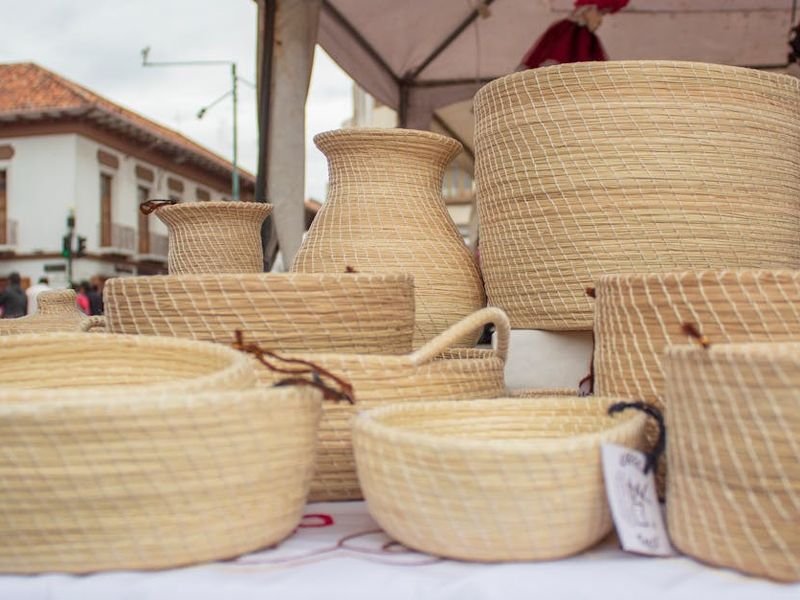
Eating and shopping locally is one of the joys of Cuenca. Early-morning markets overflow with fresh produce, herbs and local cheeses. Street food and traditional dishes—like hornado (roast pork), locro de papa (potato soup) and cuy (guinea pig) at specialty restaurants—offer a delicious way to connect with the culture. Don’t miss the lively café scene on Calle Larga and the terraces near the Catedral Nueva, where you can watch cathedral bells and city life unfold.
Smart dining and shopping habits
- Try market produce—fruits and vegetables are fresh and affordable; bargain politely when appropriate.
- Sample local bakeries for breakfast breads and empanadas—these are neighborhood staples.
- Learn a few food-related Spanish phrases—vendors appreciate the effort and it smooths transactions.
Building a Social Life: Language, Community and Activities
Long-term happiness in Cuenca is often tied to social connections. Learn Spanish, but don’t expect fluency overnight. Small steps—language exchanges, volunteering, joining a walking group or attending a cooking class—accelerate friendships and integration.
Ways to connect
- Join local language meetups and conversation exchanges to practice Spanish in a relaxed setting.
- Volunteer with community organizations or cultural centers—this builds local connections and a sense of purpose.
- Attend cultural events at Museo Pumapungo or seasonal festivals; these are excellent places to meet locals and discover traditions.
Work, Purpose and Staying Productive
If you continue to work remotely, structure is essential to avoid feeling disconnected in a slower city. Many expats find coworking spaces, cafés with steady Wi-Fi, or weekly routines that balance productivity with exploration.
Productivity tips
- Create a daily schedule that aligns your most demanding tasks with when you have the most energy—often morning hours.
- Use the city’s slower afternoons for low-energy tasks, calls with contacts in different time zones, or outdoor breaks.
- Explore classes—photography around Parque Calderón, textile workshops, or Spanish lessons—to keep learning and stay stimulated.
Safety and Common-Sense Precautions
Cuenca is widely considered one of the safer cities in Ecuador, but petty crime—pickpocketing and occasional scams—exists. Use the same vigilance you would in any city: keep valuables secure, use hotel safes or locked cabinets, and be mindful of your surroundings in crowded areas.
Quick safety checklist
- Avoid flashing cash or electronics in crowded plazas.
- Use well-known taxi services or official stands at night.
- Keep copies of your passport and residency documents in a secure place.
Embracing Slower Living: Mindset Shifts That Help
Adjusting to Cuenca’s relaxed pace is as much mental as logistical. Many newcomers report initial impatience—waiting longer for services or finding fewer entertainment options late at night. Changing expectations is the most powerful tool for thriving here.
Mindset practices
- Set realistic expectations: things may take longer, but the results are often more thoughtful and personal.
- Build rituals: morning coffee walks along the Tomebamba, weekend market visits, or weekly Spanish classes create structure and pleasure.
- Practice presence: use slower moments to observe, journal, or photograph architectural details—Cuenca rewards curiosity.
Weekend Escapes and Nature Close By
One of Cuenca’s great perks is access to the highland outdoors. Cajas National Park is a short drive away and offers dramatic lakes, moorland and hiking for all levels. Hot springs and smaller Andean towns are also reachable as day trips. These natural escapes help reinforce why many people move to Cuenca: the balance between city comforts and wild landscapes.
Final Thoughts: Patience, Curiosity and Small Wins
Settling into Cuenca is a gradual process. You’ll reshape daily rhythms, build new friendships and discover favorite cafés and market stalls. Give yourself permission to be a newcomer: slow down, learn the language a little at a time, and celebrate small wins—like your first successful market purchase or a relaxed afternoon at a neighborhood plaza. Over time, Cuenca’s calm becomes less of an adjustment and more of a way to live intentionally.
With practical preparation, a flexible mindset and a willingness to explore, you’ll find Cuenca’s tranquility not just soothing but deeply rewarding. Take it one paseo at a time—the city tends to reward those who arrive ready to listen.