
Table of Contents
Why Cuenca’s relaxed pace feels different — and why that’s a benefit
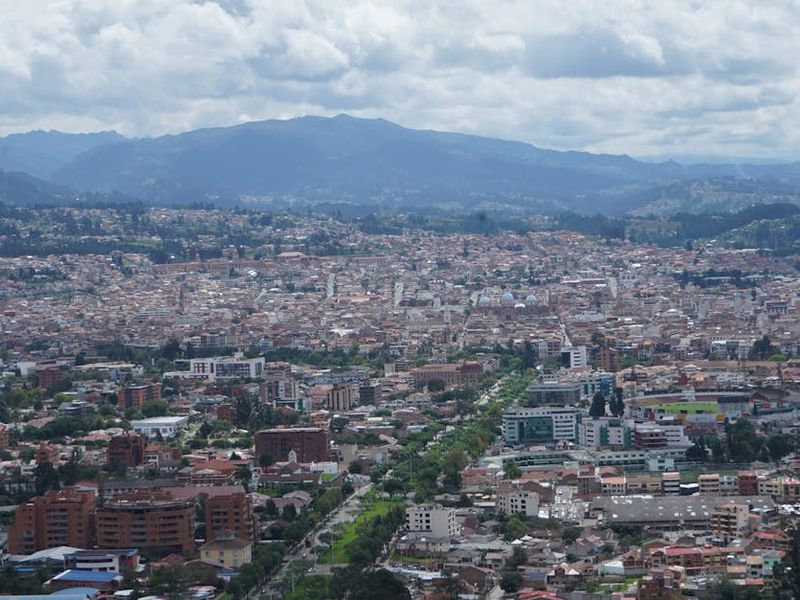
Cuenca, Ecuador, moves at a tempo that can feel like a soft exhale after a life of speed. Tree-lined plazas, the steady murmur of the Tomebamba River, and afternoons where time seems to stretch combine to create a slower daily rhythm. That calm is part of the city’s charm and is why many expats choose it for retirement, remote work, or a lifestyle reset. But that same tranquility can be disorienting at first if you’re used to rush and instant gratification.
Understanding what to expect — and how to respond — makes adjusting easier. This guide gives practical, place-specific advice for easing into Cuenca’s relaxed lifestyle while staying productive, connected and safe.
Start with a 90-day adjustment plan
When you first arrive, treat the next three months as a deliberate settling-in period. Break the time into phases so you can adapt emotionally and practically:
- Days 1–14: Get basics handled — register with the local authorities if needed, set up a SIM card, find a doctor and learn the route to the nearest grocery market.
- Weeks 3–8: Explore neighborhoods on foot and by bus or taxi, open a local bank account if you plan to stay, and begin learning conversational Spanish.
- Months 3–4: Lock in long-term housing, establish routines around meal times and social activities, and begin volunteering or joining clubs to create community ties.
This staged approach prevents overwhelm and helps you reframe the slower pace as intentional rather than passive.
Understand local rhythms: business hours, meals and downtime
One of the biggest adjustments is the ebb and flow of daily life. Many small shops and family-run businesses still slow down between late morning and early afternoon. Knowing these patterns saves frustration:
- Morning is the busiest time for everything from grocery shopping to government offices.
- Lunch tends to be a longer, more social meal; many restaurants offer a midday “almuerzo” special.
- Around mid-afternoon some smaller shops may close briefly — use this time for a siesta, work catch-up, or a stroll by the river.
Plan important appointments for mornings, and treat afternoons as prime time for leisure or reflective work where interruptions won’t derail you.
Neighborhood snapshots: where to live if you want calm or convenience
Cuenca has a variety of barrios (neighborhoods) that suit different tastes. Here are practical considerations to guide your housing decisions:
- Historic Centro: Crowded with charm, cobblestone streets, and cathedral views. Ideal if you want to be at the heart of cultural life, but quieter evenings are more likely if you’re on a side street.
- San Sebastián: A bohemian area with artisan workshops and cafes. It has a relaxed, creative vibe and is walkable to the center.
- Turi/Bellavista: Higher altitude areas offering panoramic views of the city and cooler nights. Great if you prefer open spaces and quieter streets.
- Newer residential districts: Suburban-style neighborhoods outside the center tend to be quieter and more car-friendly — good for families or those seeking longer-term rentals with gardens.
Spend several weekends exploring potential neighborhoods before committing to a long-term lease. Short-term rentals let you test how the local pace suits your lifestyle.
Daily routines that harmonize with Cuenca’s tempo
Designing a routine that respects local rhythms will help you feel less frustrated and more integrated. Here are flexible routines many expats adopt:
- Morning walk: Start your day with a walk along the Tomebamba River or around Parque Calderón to take in the city’s morning energy.
- Midday meals: Embrace the long lunch — it’s a great window for socializing or trying local cuisine like soup-based dishes and hearty stews.
- Afternoon pause: Use quiet afternoons for reflective work, language study, or a short nap if you need to reset.
- Evening socials: Dinners and café meetups begin later in the city’s rhythm; use evenings to connect with friends, attend concerts, or take language classes.
Practical tips for work and connectivity
If you work remotely, Cuenca’s calm can be a boon — but it takes planning:
- Choose the right neighborhood: If you need frequent client calls, prioritize apartments with reliable internet and quiet streets. Many expats prefer central districts for fast access to cafes with Wi-Fi.
- Backup connectivity: Buy a local SIM card with a generous data plan (Claro and Movistar are common providers) and learn to tether as a backup.
- Coworking and cafes: There are several coworking spaces and cafes in Cuenca where you can work reliably and meet other professionals. Try them out to find one that matches your noise tolerance.
- Time-block your schedule: Reserve mornings for deep work and afternoons for meetings or catch-up tasks, aligning with local energy patterns.
Language and social integration: small habits that make a difference
Adopting the local language and customs is one of the fastest ways to feel at home. Small shifts in behavior build goodwill and make day-to-day life smoother:
- Learn practical Spanish: Focus on greetings, polite phrases, numbers, and market vocabulary. Locals appreciate even modest effort.
- Use local courtesies: Greet shopkeepers with a friendly “buenos días”; many interactions begin with a short personal exchange.
- Join groups: Attend language exchanges, volunteer at local organizations or animal shelters, and look for community classes — they’re fast tracks to genuine relationships.
- Attend cultural events: Take part in national holidays and local festivals to experience community traditions and connect with neighbors.
Shopping, food and markets: eating in tune with the city
Food is central to Cuenca’s daily rhythm. Markets and family-run tiendas (small shops) are where you’ll find fresh produce and friendly conversation. Here’s how to shop smart:
- Visit municipal markets: You’ll find seasonal fruits, fresh cheeses and homemade staples at better prices than supermarkets. Go early for the best selection.
- Try local specialties: Make a point of sampling traditional dishes at small fondas and markets; they’re often the most authentic and affordable.
- Plan for store closures: Be aware that some shops may close off for a few hours midday — stock basic supplies to avoid inconvenience.
- Bring reusable bags: Many markets expect you to carry your own bag, and it’s an eco-friendly local habit.
Healthcare, safety and essential services
Cuenca offers solid healthcare options, but knowing how to access them quickly is part of adapting:
- Identify clinics: Locate a bilingual clinic if you’re not fluent; many private clinics can assist in English and are efficient for non-urgent care.
- Public vs private: Public hospitals provide broad services but can be slower; private clinics offer quicker appointments at a higher cost. Consider health insurance — many expats use local policies that supplement international plans.
- Safety: Cuenca is generally safe, but petty theft can occur. Use common-sense measures: avoid isolated streets at night, keep valuable items secure, and use official taxis when possible.
Navigating bureaucracy without stress
Bureaucracy in Ecuador often runs on a different clock than in North America or Europe. Patience is a practical tool here:
- Bring multiple copies: Always carry extra photocopies of key documents when dealing with government offices or banks.
- Expect lines: Appointments sometimes run late — plan appointments in the morning to minimize delays.
- Use local help: Hiring a gestor (a local fixer or administrative assistant) for complex processes like residency paperwork can save time and headaches.
Leisure and exploration: make time for nature and culture
Part of the gratitude of living in Cuenca is how easy it is to access nature and artisan culture. Make these activities part of your routine to fully adopt the slower pace:
- Cajas National Park: A popular day trip for hiking and high-altitude lakes. Go prepared with layers and water.
- Turi lookout: Visit at sunset for spectacular city views and artisanal stalls selling local handicrafts.
- Explore artisan towns: Nearby towns like Gualaceo and Chordeleg are known for weaving and silverwork — perfect for weekend exploration and supporting local makers.
- Cultural outings: Attend a concert, art opening or local theater performance; small cultural events are accessible and often inexpensive.
Micro-habits for mental wellbeing in a slower city
Adjusting to a calmer lifestyle often requires mental recalibration. Try these micro-habits to make the transition smoother and more fulfilling:
- Practice active waiting: When service is slower than you expect, use the time to observe, journal or practice Spanish phrases instead of checking your phone.
- Limit comparison: Avoid measuring Cuenca’s efficiency against your former home. Reframe slower service as an opportunity for connection or patience training.
- Daily gratitude: Note one small joy each day — the river’s sound, a friendly market vendor — to internalize the benefits of a relaxed environment.
- Stay physically active: Walking is part of Cuenca life; regular walks boost mood and help you absorb the city’s rhythms.
Practical checklist for feeling at home
Here’s a short checklist to help you settle quickly and with less friction:
- Set up a local SIM card and learn basic data troubleshooting.
- Find a doctor and make an appointment even if you’re healthy — it’s helpful to know the route and process.
- Join at least two local groups: a Spanish class and a hobby or volunteer group.
- Explore three different neighborhoods by foot to choose where you’ll live long-term.
- Open a local bank account and keep some cash on hand for small purchases in markets.
- Plan weekend trips to nearby natural areas to counteract cabin fever and keep life adventurous.
Final thoughts: letting the city teach you patience
Adapting to Cuenca’s relaxed lifestyle is less about slowing down your goals and more about changing the way you relate to time. The city rewards presence: waking up to views of the blue-domed cathedral, lingering over a plate of locro, watching the procession of life along the Tomebamba. Over time you’ll notice a shift — less reactivity, more curiosity, and the capacity to enjoy a fuller moment rather than rushing to the next task.
Use the practical tips in this guide to build routines, create social ties, and handle logistics smoothly. With intentionality and patience, you’ll find that Cuenca’s calm becomes one of your greatest resources for a balanced, enjoyable life.