
Table of Contents
Welcome to Cuenca: A City That Teaches You to Slow Down
Moving to Cuenca means trading rush-hour frenzy for strolls along a river lined with willows, cathedral bells that set the daily tempo, and neighbors who greet you with a warm “¡buen día!”. If you’re used to speed and urgency, the city’s gentler pace can be disorienting — or deeply healing. Use the tips below to make the adjustment consciously and enjoy the many small pleasures that define life in Ecuador’s southern highland jewel.
Understand What “Relaxed” Really Looks Like
Cuenca’s rhythm is shaped by history, climate, and culture. The city sits at about 2,560 meters (8,400 feet), giving it year‑round mild temperatures and plenty of outdoor-friendly days. People here value conversation, time with family, and a slower service mindset than you might expect in a major metropolis. Shops may close midday, paperwork can take longer than online estimates, and punctuality tends to be flexible in many social situations.
Why that slows you down — and why that’s a benefit
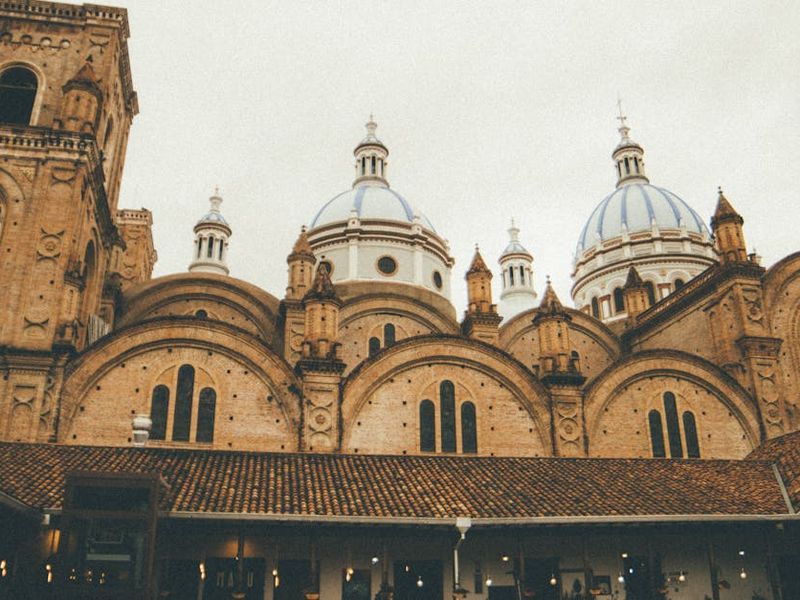
At first, delays and a more relaxed customer service style can feel frustrating. But once you accept them, you’ll find time to notice small pleasures: the way the light hits the Catedral Nueva at sunset, the flavor of a locally roasted coffee, or a weekly market filled with flowers and fresh cheese. Adjusting your expectations transforms potential irritations into opportunities for presence.
Create a Gentle Daily Routine That Respects Local Rhythm
Structure helps when everything else seems slower. Create a routine that includes time for practical tasks and for leisure. A sample daily outline:
- Morning: coffee, light walk along the Tomebamba river, short Spanish practice.
- Midday: take care of errands, visit banks or administrative offices before lunch closures.
- Early afternoon: enjoy a longer lunch — many restaurants offer inexpensive lunch specials called “almuerzos” — and a short rest.
- Late afternoon: museum visit, language class, or club meet-up.
- Evening: an easy dinner, live music in the historic center, or reading on a balcony.
This template respects how businesses often operate and keeps your schedule aligned with local life.
Choose the Right Neighborhood to Match Your Energy
Cuenca’s neighborhoods each offer different flavors of slow life. Consider what matters most to you — convenience, quiet, views, or social activity — and pick accordingly.
- Historic Center (El Centro): Close to Parque Calderón, churches, cafes and markets. Good for people who enjoy daily walks past historic architecture and easy access to services.
- San Sebastián: A quieter, bohemian sector of the old town with artisan shops and small plazas; ideal for creatives and those who want cultural immersion.
- Turi: Up on the hill, Turi offers panoramic views and a calmer pace; popular for short excursions and artisan markets.
- Residential pockets: Areas farther from the core deliver more silence, local parks and sometimes lower rents — ideal for families or those wanting a neighborhood feel.
Rent for well‑located apartments tends to be reasonable compared with many North American or European cities, and the USD currency simplifies budgeting for many expats.
Practical Tips for Day‑to‑Day Life
Small edges make a big difference when you’re adjusting to Cuenca’s tempo. Here are actionable tips that new residents swear by:
- Carry a lightweight jacket and sunscreen — days are mild but sun and cool evenings are typical due to elevation.
- Use local transport: taxis are inexpensive for short hops; buses are cheap for longer inner‑city rides. Agree on a fare if a meter isn’t used.
- Buy a local SIM or eSIM from providers like Claro, Movistar, or CNT to stay connected; internet in central neighborhoods is typically strong.
- Pay with a mix of cash and cards; use major bank ATMs and avoid unofficial money changers.
- Keep photocopies of important documents and scan them to cloud storage — very handy for residency paperwork or rentals.
Master the Administrative Mountain: Residency, Healthcare & Banking
Administrative processes in Ecuador tend to be slower and a bit more personal than online-only systems. Knowing steps in advance helps you plan without stress.
Residency basics
If you plan to stay long term, investigate visas and documentation early: apostilled birth certificates, background checks, and marriage documents (if applicable) are common requirements. When you qualify for residency, you will receive an ID card often called the DIMEX. Expect some in-person visits to migration offices and allow time for processing.
Setting up healthcare and banking
Cuenca has public hospitals and well-regarded private clinics. If you have specific medical needs, identify a primary doctor and a reliable pharmacy early. For banking, major Ecuadorian banks maintain branches in the downtown area and can assist with accounts in USD. Bring a local address and residency documents when opening accounts.
Language & Local Relationships: Small Words, Big Wins
Spanish unlocks so much of Cuenca’s warmth. You don’t need perfect grammar to connect — neighbors and vendors appreciate genuine attempts.
Practical language strategies
- Sign up for a local language school or private tutor. Short, frequent sessions beat long, occasional ones.
- Practice phrases used daily: greetings, asking for prices, ordering food, and asking for directions.
- Join language exchanges (intercambios) at cafes or cultural centers to practice in a social setting.
Cultural phrases like “tranquilo” show that you understand the city’s mood; saying “gracias” and smiling goes a long way.
Find Community: The Best Shortcut to Feeling at Home
One of the fastest ways to adapt is to build a local support network. Look for communities that match your interests, not just nationality.
- Expat groups: Facebook groups and community meet-ups are useful for practical questions and socializing.
- Volunteer: Local schools, environmental groups, and cultural centers welcome volunteers and offer meaningful ways to connect.
- Hobby classes: Join art studios, dance schools, or gardening clubs to meet people outside the expat echo chamber.
- Attend cultural events: seasonal festivals, museum talks, and weekend markets help you learn local rhythms and make friends.
Enjoying Slow Pleasures: Food, Walks, and Day Trips
One of the biggest perks of Cuenca is how many delightful low-effort activities there are. Build them into your weeks.
Food and markets
Sample local favorites like hearty soups, roasted pork called “hornado”, fresh cheeses, and fruit juices at neighborhood markets. Weekly markets offer flowers, baked goods, and artisan crafts — perfect for a slow Saturday morning ritual.
Parks, promenades and nature
Walk the riverside paths—especially along the Tomebamba—and spend evenings at Parque Calderón to watch life unfold. For nature lovers, Cajas National Park is reachable for day trips, offering hikes, lagoons and birdwatching opportunities that cast you instantly into the region’s wild beauty.
Handling the Challenges: Frustrations, Weather & Safety
Even in a gentle city, you’ll face bumps. Here’s how to mitigate common sources of stress.
Dealing with delays and service differences
Adopt a buffer mindset: assume administrative tasks may take longer than promised, and schedule important errands on different days. Use waiting time intentionally — read, journal, or practice Spanish.
Weather and health at altitude
The mild climate is an advantage, but the altitude means stronger sun and colder nights. Hydrate, wear sunscreen, and keep layers handy. If you have chronic health conditions, consult your doctor about adjustments for higher altitude living.
Safety basics
Cuenca is generally considered safe compared to larger cities, but petty theft happens. Use common-sense precautions: keep wallets secure, avoid flashing tech in quiet streets at night, and learn which neighborhoods are best for late evening walks. Register with your country’s embassy if you plan a long stay.
Practical 30/90 Day Checklist
Use this short checklist to structure early months and reduce overwhelm:
- First 30 days: set up temporary housing, get a local SIM, open a bank account, find a primary doctor, and locate the nearest grocery market.
- Next 60 days: register for residency steps if needed, enroll in a Spanish course, explore several neighborhoods, and join a community group.
- By 90 days: have regular local routines (market day, language exchange), know how to handle emergencies, and have a month-to-month plan for work or volunteer commitments.
Embrace the Shift — and Keep the Best of Your Old Routine
Adjusting to Cuenca’s relaxed lifestyle doesn’t mean giving up productivity or ambition. It means reframing what you value and letting the city’s slower rhythm fill in different parts of life: more conversation, more nature, more time to savor coffee at a sidewalk table. Keep a small number of familiar habits — morning exercise, weekly check-ins with distant friends, or a creative project — and let Cuenca’s pace transform the rest.
Final Thought: Patience Is Active, Not Passive
Learning to live slowly in Cuenca is an active practice. It requires curiosity, adjustments to expectations, and a willingness to participate in the local rhythm rather than fight it. With patience and practical planning, you’ll find that the relaxed lifestyle many expats celebrate here becomes one of your greatest daily rewards.
Bienvenido — take your time, explore with intent, and enjoy the deep calm that Cuenca so generously offers.