
Table of Contents
Why Cuenca’s Pace Feels Different — and Why That’s a Gift
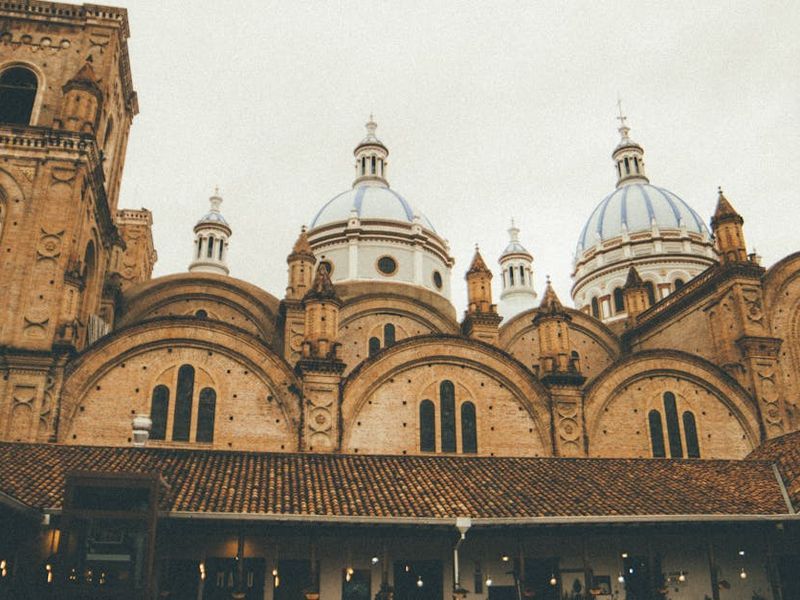
Cuenca’s charm hits you in the small, quiet places: the soft echo of footsteps on cobblestones, the riverside benches along the Tomebamba, and the cathedral’s blue domes framing a leisurely sky. For newcomers used to noise, speed and constant availability, that relaxed tempo can feel unsettling at first. But if you reframe it as an opportunity — to restore focus, reduce stress and build a more intentional life — Cuenca’s slower rhythm becomes an advantage.
Get to Know the Neighborhoods: Where to Settle and How Each Area Supports a Slower Life
Choosing the right neighborhood makes a big difference when you want to adopt a calmer lifestyle. The historic center (el casco colonial) puts you in the middle of cultural life: cafés, artisan shops, and plazas are steps away, and you can easily walk everywhere. For quieter residential living, neighborhoods slightly outside the core offer more green space, modern apartment complexes and a calmer evening pace — ideal if you work remotely and crave a quiet home office.
Tip: seek apartments with natural light and a balcony or rooftop. A morning view of the Andes and a small outdoor zone will encourage a slow-start routine of coffee and stretching instead of diving immediately into work.
Design a Daily Rhythm That Matches the City
One practical way to blend in is to set a daily rhythm that mirrors local patterns. People in Cuenca tend to enjoy a leisurely morning, a late lunch, and an unhurried evening. Many small businesses close briefly in the early afternoon and reopen later. Instead of fighting that schedule, lean into it.
- Morning: take a walk along the Rio Tomebamba, visit a panadería for fresh bread, enjoy slow coffee.
- Midday: a longer lunch with local dishes like llapingachos or hornado — a perfect pause for socializing or reading.
- Afternoon: run errands, visit markets, or schedule creative work when shops are open again.
- Evening: quiet dinners, neighborhood strolls, or cultural events; expect a mellow nightlife compared with larger cities.
Practical Tips for Daily Life: Markets, Transport, and Errands
Markets and local vendors are central to life in Cuenca. The city’s central markets are great for fresh produce, flowers and traditional snacks. Bring small bills and coins for bargaining and quick purchases — many vendors prefer cash. For larger purchases, credit cards are widely accepted in modern stores and supermarkets, but cash still rules in simpler venues.
Transport options are straightforward: buses, taxis, and ride apps operate throughout the city. Walking and biking are especially pleasant in the historic center and riverside promenades. If you will be living outside the core, learn the main bus routes or have a local taxi number saved to avoid last-minute stress.
Healthcare, Pharmacies and Practical Safety Nets
Cuenca has reputable medical services including public hospitals and private clinics. Many expats recommend identifying a primary doctor and a nearby clinic shortly after arrival. Pharmacies are common and often open late; pharmacists can help with basic ailments and over-the-counter remedies. Medical insurance — public or private — provides peace of mind and makes navigating the system easier.
Tip: keep photocopies or digital scans of important documents (passport, insurance card) in a secure cloud folder and carry a printed copy for quick access.
Language: Small Spanish Skills, Big Impact
Spanish is the everyday language in Cuenca, with a clear Andean accent that many newcomers quickly warm to. You don’t need fluency to enjoy the city, but learning practical phrases will transform interactions and speed your integration. Locals appreciate when foreign residents try to speak Spanish — it opens doors, invites conversation and deepens cultural connection.
- Learn greetings and polite forms: using “usted” with older people is respectful.
- Create a pocket phrasebook for markets, taxis and basic directions.
- Join a language exchange to practice in a low-pressure setting — these are often scheduled in cafés and cultural centers.
Social Integration: Build a Supportive, Low-Key Community
Cuenca’s expat community is friendly and diverse, and local neighborhoods host a steady stream of community activities. To integrate without pushing yourself too hard, start small: attend a language exchange night, volunteer once a month, or join a gentle walking group. These low-commitment options help you make meaningful friendships while preserving quiet time.
Volunteer opportunities — animal shelters, community kitchens, and environmental groups — are great ways to meet locals and expats while contributing to the city. Community centers and libraries also run cultural events and workshops that are excellent for meeting people with shared interests.
Work-Life Balance for Remote Workers and Creatives
If you’re working remotely, Cuenca is an ideal place to shift from hustle culture to focused, thoughtful productivity. Create boundaries: set a start and stop time, use a dedicated workspace, and schedule breaks that let you enjoy the city’s outdoor life. Co-working spaces and cafés with reliable Wi-Fi—many located near the university and historic center—offer structure and interaction without the noise of larger cities.
Consider batching creative or deep work for the morning and leaving afternoons for errands, social time, or outdoor activities. That small change aligns with local rhythms and helps you resist the urge to treat constant availability as a badge of honor.
Food and Slow Eating: Savoring Cuenca’s Culinary Life
Eating in Cuenca is an exercise in savoring. From neighborhood panaderías to small restaurants serving hearty Ecuadorian plates, meals are an event rather than an afterthought. Try local specialties like llapingachos (potato cakes), hornado (slow-roasted pork), and the ubiquitous fresh fruit juices made with Andean produce. Coffee culture is strong, too — seek out small roasters and cafés for slow morning rituals.
Dining etiquette in many local eateries leans toward unhurried service. Embrace it: order a coffee, read, people-watch, and allow meals to be social and restorative.
Connection to Nature: Small Escapes that Recharge
One of Cuenca’s best assets is proximity to beautiful landscapes. Short day trips and regular park walks can create a calming weekly routine. Parque Calderón at the city center, the riverside paths along the Tomebamba, and the Turi viewpoint for sunset are perfect for low-effort, high-value nature time. For weekend escapes, the Cajas National Park — known for its glacial lakes and highland scenery — is a popular choice for hiking, birdwatching, and disconnecting.
Scheduling regular nature outings reduces stress, improves focus and helps you accept the city’s slower flow as restorative rather than limiting.
Practical Money-Saving Tips for a Comfortable, Unhurried Life
Living slowly doesn’t mean living frugally in a negative way. Cuenca offers quality of life at a fraction of the cost compared to many North American or European cities, but costs have been rising. To stay comfortable without overspending:
- Shop at local markets for produce — fruits and vegetables are fresh and inexpensive.
- Choose a neighborhood close to your daily needs to cut transport time and expenses.
- Budget for medical insurance and unexpected travel since international flights are a common extra expense.
Practical Safety and Common-Sense Tips
Cuenca is generally regarded as safe, especially compared to large urban centers. Still, practice common-sense precautions: avoid poorly lit side streets late at night, secure valuables at home, and keep an eye on your belongings in crowded markets or buses. Learn where the nearest hospital and police station are from your home and keep emergency numbers saved on your phone.
Cultural Calendar: Slow Celebrations and Local Traditions
Cultural events in Cuenca often reflect a slower, community-centered rhythm. Religious processions, seasonal fairs, artisan markets and small concerts bring people together without the frenetic pace of big-city events. Attend local fiestas and municipal celebrations to get a sense of tradition and rhythm. These occasions are great for practicing Spanish, tasting local foods and meeting neighbors in a relaxed environment.
Mindset Shifts to Make the Most of Slow Living
The practical steps above work best when paired with a few mindset shifts. Start by redefining productivity: value depth over quantity. Practice presence — use walking time as a break, not a chance to catch up on email. Let go of the need for instant answers; locals will appreciate patience and politeness over impatience.
Finally, give yourself permission to fail at first. Adjusting to a new tempo takes time. Treat the first months as an experiment: try different routines, neighborhoods and social activities until you find the balance that feels restorative and sustainable.
Action Plan: A 30-Day Slow-Start Checklist
To make the transition manageable, try this 30-day checklist:
- Week 1: Establish a morning routine (walk, coffee, 20 minutes of reading). Find a nearby market and a doctor.
- Week 2: Join a language exchange or community group. Explore two new neighborhoods on foot.
- Week 3: Schedule a weekly nature outing and a slow lunch at a local restaurant.
- Week 4: Set clear work hours (if applicable), try a volunteer activity and invite a new acquaintance for coffee.
Final Thoughts: Let the City Change Your Pace
Cuenca’s relaxed lifestyle is not about doing less — it’s about choosing the right less. When you intentionally design your days around slower rhythms, you gain time for relationships, health, creativity and reflection. Use the city’s plazas, rivers and cafes as tools for renovation: they will teach you how to preserve calm without sacrificing purpose. Over time, the unhurried pace becomes not a compromise, but the best part of life here.
Welcome to Cuenca: let the slow moments anchor you, and the city will give back an unexpected, enduring sense of calm and clarity.