
Table of Contents
Why Cuenca Feels Different — and Why That’s a Good Thing
Arriving in Cuenca, Ecuador, many newcomers notice a tangible slowdown: fewer honking cars, more time for conversation, and a city rhythm that favors presence over hurry. At about 2,500 meters above sea level, this Andean city blends centuries-old cobblestone streets, tree-lined plazas, and a steady trickle of life along the Tomebamba River. That relaxed tempo can feel refreshing — or disorienting — depending on how you’re used to living.
Understanding that the pace is part cultural, part practical (services close earlier, appointments run on local time, and afternoons can be quieter) helps you reframe your expectations. Embracing the change opens up space for better work-life balance, richer social connections, and a healthier daily rhythm.
Start Smart: First 30 Days — Observe, Learn, and Build Routines
Those first weeks set the tone. Instead of trying to recreate your old life exactly, use this time to observe and create a new, Cuenca-friendly routine.
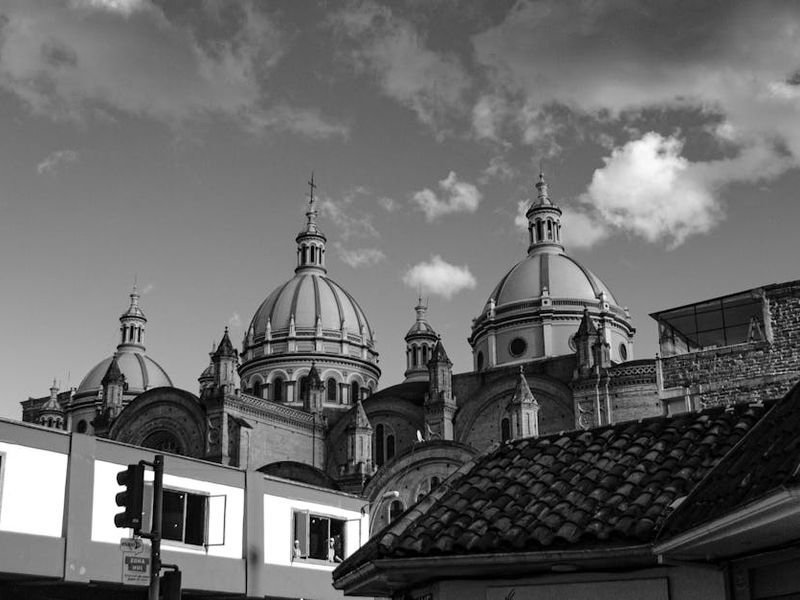
- Walk the Centro Histórico: Spend mornings around Parque Calderón and the Catedral Nueva to learn the city’s flow. Mornings are lively and best for errands.
- Set a simple schedule: Plan appointments and banking for mornings; afternoons tend to be quieter and good for exploring or downtime.
- Scout services: Find nearby pharmacies, a trusted dentist or doctor, and one supermarket and one mercado for fresh produce.
- Register local contacts: Locate the nearest police station, hospital, and the civil registry if you’ll be staying long-term.
Adjusting Expectations: Patience with Services and Bureaucracy
In Cuenca you’ll encounter a different tempo for government offices, clinics, and some businesses. Lines form in the mornings, and many places close for a midday break or simply operate with a more relaxed cadence.
Helpful habits include bringing photocopies and multiple IDs, starting paperwork early in the morning, and setting realistic time blocks for errands. Many expats say patience is the single biggest cultural adjustment — once you accept it, life becomes much more pleasant.
Make the City Work for You: Transportation and Daily Mobility
Cuenca’s compact historic center invites walking. Cobblestone streets and scenic river promenades make strolls both efficient and enjoyable. For longer trips, taxis are inexpensive and plentiful; negotiate a price for longer rides or insist on the meter if there’s one installed.
Public buses and collectivos connect neighborhoods and outlying areas — they’re affordable and a great way to practice Spanish. Ride-hailing apps are available but sometimes operate under shifting regulations; have a local taxi number saved as backup.
Where to Live: Neighborhoods that Match a Slower Lifestyle
Choosing a neighborhood influences how quickly you adapt. Consider these options:
- El Centro Histórico: Living here puts you at the heart of festivals, cafes, and markets. It’s lively by day and peaceful at night, perfect for walkers.
- Barranco: The riverside area with charming bridges and quieter streets is ideal if you want tranquility but still want easy access to the downtown scene.
- Turi: Up the hill from the city center, Turi offers panoramic views and is a favorite for those seeking a calmer, residential feel while remaining accessible.
When apartment hunting, check heating (Cuenca can be cool), water pressure, and internet quality — slow connections can be a frustration for remote workers.
Healthcare and Practical Safety Tips
Cuenca has reliable healthcare options. Public hospitals and clinics serve the community, with Hospital Vicente Corral Moscoso being one of the main public facilities. Private clinics and international-standard medical centers are available for routine and specialty care.
If you plan to live in Cuenca long-term, investigate IESS (the national social security system) for residents and consider supplementary private health insurance if you want faster access to private facilities. Keep digital copies of important medical documents and a small Spanish medical vocabulary cheat sheet for emergencies.
Food, Markets, and Eating Slowly
One of the joys of Cuenca is its food culture. Local mercados sell fresh fruits, vegetables, cheese, and flowers — shopping here is an excellent way to connect with neighbors and slow down your meal planning. Try traditional dishes like hornado and mote, but also explore vegetarian stalls and bustling bakeries for breakfast treats.
Plan weekday mornings for mercado trips and reserve weekends for exploring artisan markets around the cathedral or riverside. Eating should be savored; many restaurants and cafes encourage lingering, which fits the local tempo.
Language and Social Integration: Small Daily Wins
Spanish is central to feeling at home in Cuenca. Even a few phrases go a long way in shops, taxis, and when making friends. Join a conversational Spanish class, find a language exchange partner, or volunteer at cultural centers and museums like Museo Pumapungo, where you can practice while learning local history.
Social groups and expat communities are active and welcoming. Look for meetups, Facebook groups for Cuenca expats, and local NGO volunteer opportunities. Shared activities — walking groups along the Tomebamba or weekly coffee meetups near Plaza San Sebastián — create natural, low-pressure ways to build friendships.
Work-Life Balance: Remote Work, Time Zones, and Productivity
If you work remotely, structure your day to match both your productivity peaks and the city’s rhythm. Many coworking spaces in Cuenca offer reliable internet and a social atmosphere where locals and expats mix. Try a hybrid schedule: focused work in the morning, errands or social time in the afternoon, and a relaxed evening.
Be mindful of time zones when coordinating with colleagues abroad. Batch communications and use asynchronous tools — this reduces stress from immediate responses and fits Cuenca’s slower daily pace.
Nature and Outdoor Time: Use the Pace to Explore
One of the fastest routes to feeling settled is regular time outdoors. El Cajas National Park is less than an hour’s drive and offers highland lakes and trails that reward slow exploration. City green spaces and riverside walks are ideal for daily movement and quiet reflection.
Weekend trips to nearby villages, waterfalls, or artisan markets give you a deeper sense of the region and create rituals that anchor your life in Cuenca.
Coping with Quiet: Mental Health and Community
Moving from a fast-paced city to a quieter one can be emotionally complex. The initial calm may feel like relief, but later loneliness can surface. Build supportive routines: join book clubs, volunteer, attend local church or cultural events, and make small daily rituals like a morning coffee at a favorite café.
Consider teletherapy options if you need extra support — many therapists now offer online sessions in Spanish and English. Keeping a gratitude journal focused on small, local joys (fresh fruit from the mercado, an afternoon in the park, a friendly neighbor) helps anchor well-being.
Practical Tips to Embrace the Pace
- Carry a lightweight jacket: The weather can change from sunny to rainy quickly.
- Plan errands in the morning: Banks, government offices, and many shops are busiest and most efficient earlier in the day.
- Keep cash handy: Small stalls and taxis often prefer cash; ATMs are common but can be limited on weekends.
- Practice greetings: Using “buenos días” and “buenas tardes” creates warmth in everyday interactions.
- Embrace local rhythms: Accept that some tasks will take longer and use that time for connection or reflection instead of frustration.
Making Cuenca Your Home — A Practical Adjustment Timeline
First Month
Observe the city, handle essential registrations, set up banking and healthcare, and create a basic routine. Focus on logistics but leave room for exploration.
Months 2–3
Deepen local connections: start a language course, join an expat group, and explore different neighborhoods. Begin regular activities like a weekly market run and weekend nature trips.
Months 4–12
Establish long-term structures: find preferred healthcare providers, favorite cafes and parks, and integrate into social circles. By six months you’ll likely feel much more comfortable and able to appreciate Cuenca’s quieter rhythm without longing for the old rush.
Final Thoughts: Slow Down, But Don’t Stop Growing
Adapting to Cuenca’s relaxed lifestyle doesn’t mean giving up ambition or excitement — it means reshaping how you pursue them. The city’s slower pace is an invitation to choose presence, prioritize relationships, and reconnect with simple pleasures. With patience, curiosity, and a few practical strategies, you’ll find Cuenca’s calm becomes one of its greatest gifts: a space where life unfolds at a gentler, more sustainable speed.
Whether you want a quieter retirement, a productive remote-work hub, or a cultural change of pace, Cuenca equips you with the essentials. Take your time, build local routines, and let the city teach you how to move more intentionally.