
Table of Contents
Why Cuenca’s Pace Feels Different — and That’s a Good Thing
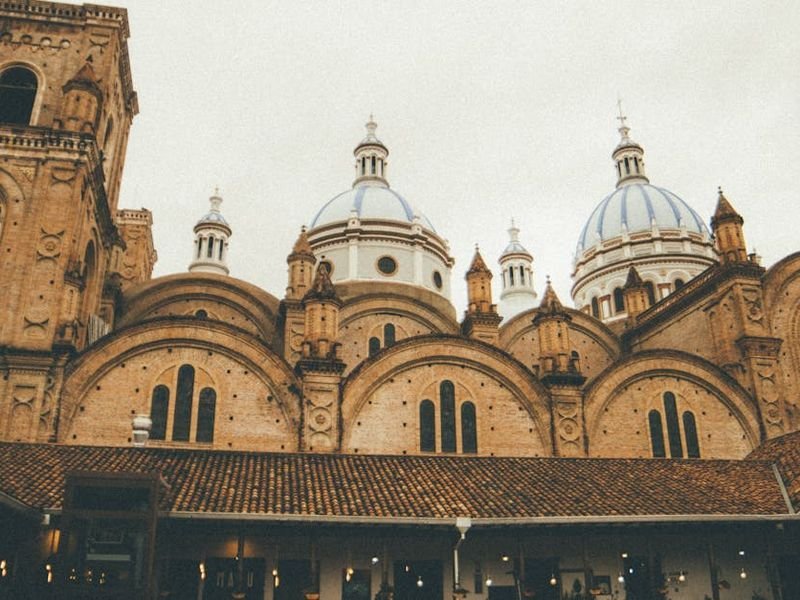
Cuenca, Ecuador, welcomes newcomers with colonial plazas, river promenades and a noticeably slower rhythm than many North American and European cities. The city’s UNESCO-listed historic center, tree-lined parks and mountain backdrop promote a relaxed tempo that can feel like a relief — or a challenge — depending on your expectations. This article breaks down how to transition comfortably and practically into Cuenca’s calm lifestyle so you can enjoy its advantages without frustration.
Understand the Local Tempo: What “Tranquilo” Actually Means
Cuenca’s relaxed style isn’t laziness; it’s a cultural preference for conversational pace, flexible schedules and savoring life’s small moments. Shops may take longer to open, service can be less rushed, and appointments sometimes run behind. Embracing that mindset helps avoid unnecessary stress. Instead of expecting everything immediately, think in terms of windows and afternoons rather than exact minutes.
Quick tips:
- Allow extra time for appointments and administrative matters.
- Confirm times in the morning if you have an important afternoon event.
- Practice patience as a way to show respect and build goodwill with locals.
First Weeks Checklist: Practical Steps to Get Grounded
When you arrive, take a few focused actions that will smooth daily life and reduce friction as you adjust:
- Register your address if required and locate the nearest police station and medical clinic.
- Visit a neighborhood market to learn produce names, prices and the rhythm of bartering.
- Set up a local SIM card and download transport apps; familiarize yourself with bus routes and main taxi ranks.
- Open a local bank account if you plan to stay long-term; many expats find it eases bill paying and local transactions.
Living Daily: Where to Shop, Eat and Run Errands
Cuenca has a mix of modern supermarkets and charming local markets. Market stalls are the best place to buy seasonal fruits, fresh vegetables and local cheeses at excellent prices. For international items, larger supermarkets and specialty stores carry imported goods but at higher cost.
Eating out is part of daily life — you’ll find small cafeterías and bakeries near parks and along the river that are perfect for relaxed breakfasts or midafternoon coffee. Try local dishes like llapingachos or, for the adventurous, cuy — a traditional specialty in the highlands.
How to save money and embrace the pace
- Shop markets early in the morning for best selection and to avoid crowds.
- Learn to identify common produce names in Spanish to negotiate better prices.
- Accept that some errands may be best scheduled for non-peak hours — mid-morning or mid-afternoon are often quieter.
Healthcare and Well-Being: Expect Good Care, Plan Ahead
Cuenca offers reputable private clinics and public hospitals; many expats opt for private care because of shorter wait times and English-speaking staff in some facilities. Dental care is affordable and high quality compared with prices in North America and Europe.
Because the city sits at around 2,560 meters (about 8,400 feet) above sea level, new arrivals may experience mild altitude effects like shortness of breath or fatigue. Take it easy the first week — avoid heavy exercise and stay hydrated — and seek medical attention if symptoms persist.
Practical health tips
- Bring copies of important medical records and prescriptions.
- Consider a short-term international health plan for your initial months until you understand local options.
- Identify one trusted clinic and pharmacist early on for routine issues.
Transportation: Getting Around Without the Rush
Public buses and taxis make most of the city accessible. Buses are inexpensive and frequent, though they can be crowded at peak times. Taxis are an affordable and efficient choice for nights out or direct trips; a lot of drivers are friendly and accustomed to guiding newcomers. Ride-hailing apps exist but coverage varies, so it helps to know a few local taxi numbers as backups.
Walking is one of the best ways to absorb Cuenca’s character — the historic center is pedestrian-friendly, as is the riverside Paseo. If you plan to use a car, be aware streets in the older parts of town are narrow and parking is limited.
Work, Productivity and the Slower Rhythm
If you’re working remotely or trying to manage deadlines while living in Cuenca, striking a balance is essential. The city is friendly to digital nomads and freelancers; there are coworking spaces, cafés with reliable Wi-Fi, and a growing network of professional expats.
That said, public administration and local business processes may take longer than what you’re used to. For permits, phone lines and paperwork, build extra buffer into your timeline.
Productivity hacks
- Use mornings for focused work when energy and Wi-Fi reliability are highest.
- Keep a local SIM data plan for redundancy if home internet has outages.
- Arrange in-person meetings midweek and avoid scheduling important deadlines around local holidays.
Making Friends: How to Connect Without Pushing
Cuenca’s social life revolves around plazas, cafés, cultural events and community organizations. Expats are active and approachable, but meaningful relationships develop at a measured pace. Here are ways to meet people while respecting local rhythms:
- Join Spanish language classes or language exchanges — they’re a fast track to new friendships and improved confidence.
- Volunteer with a local nonprofit or community program; giving time is a culturally valued way to build connections.
- Attend cultural events at museums, live music nights and markets to meet both locals and other foreigners.
Remember that showing curiosity, listening, and making small, regular social efforts (a weekly park walk, a coffee date) will earn you deeper ties over time.
Cultural Norms and Etiquette: Small Gestures, Big Impact
Simple local customs can make your transition smoother. Greet shopkeepers and neighbors with a courteous “buenos días” or “buenas tardes.” Punctuality is appreciated but not enforced — a 10–15 minute delay for casual meetings is common. Dress is generally neat and practical; locals appreciate modesty in smaller neighborhoods.
Also be mindful of personal space and tone: Cuencanos value calm and politeness over loud or hurried interactions. Demonstrating that you respect the local rhythm helps you blend in and be accepted more quickly.
Nature and Leisure: Use the City as a Base for Exploration
One of Cuenca’s best features is proximity to diverse landscapes. From the city you can access páramo landscapes, lake systems and temperate valleys. A short drive lands you at highland lakes for walking and birdwatching or cloud forest trails for cooler hikes. The Cajas National Park is a popular day trip that rewards nature lovers with shimmering lagunas and dramatic vistas.
Within the city, explore the riverbanks, hillside viewpoints and the historic center’s rooftop cafés for calming routines that keep stress low and curiosity high.
Dealing with Bureaucracy: Slow but Navigable
Administrative tasks — residency paperwork, vehicle registration, utilities setup — can require patience. Expect to revisit offices, bring photocopies, and wait in queues. A few practical steps will ease the process:
- Keep a folder with original documents and multiple copies.
- Ask other expats or a local consultant for a checklist tailored to your situation.
- Schedule early-morning appointments and keep a flexible day planned for follow-up visits.
Safety: Reasonable Caution, Not Fear
Cuenca is considered one of Ecuador’s safer cities, with a low violent crime rate compared to larger urban areas. Petty theft does occur, so employ common-sense precautions: secure valuables, avoid poorly lit streets at night and use trusted taxi services after dark. Locals also appreciate when foreigners demonstrate respect for neighborhoods and local rules — that behavior itself can reduce friction and risk.
Keeping Your Mental Health: A Slow Pace Needs Active Maintenance
The relaxed environment that draws many to Cuenca can also lead some newcomers to feel isolated or bored if their social and mental needs aren’t met. Create a structure that suits the city’s pace while keeping you stimulated:
- Establish morning routines like walking along the river or having coffee in the plaza — rituals anchor your days.
- Keep up hobbies or learn new ones: painting, gardening, photography or language meetups all fit well with a slower pace.
- Maintain connections with friends and family back home through regular calls and visits to avoid loneliness.
Final Thoughts: Let Go of the Hurry, Keep the Intentionality
Adapting to Cuenca’s tranquil lifestyle is less about changing who you are and more about reorienting expectations. Swap the clock-driven impatience for rituals and rhythms that prioritize human connection and time outdoors. With a practical approach — early planning for healthcare and paperwork, learning enough Spanish to get by, and building small daily routines — most newcomers find Cuenca’s calm not only refreshing but deeply rewarding.
If you arrive with curiosity and a willingness to slow down, Cuenca will reward you with beautiful seasons, welcoming neighborhoods and a more measured, fulfilling way of living.