
Table of Contents
Why Cuenca Feels Different — and Why That’s a Gift
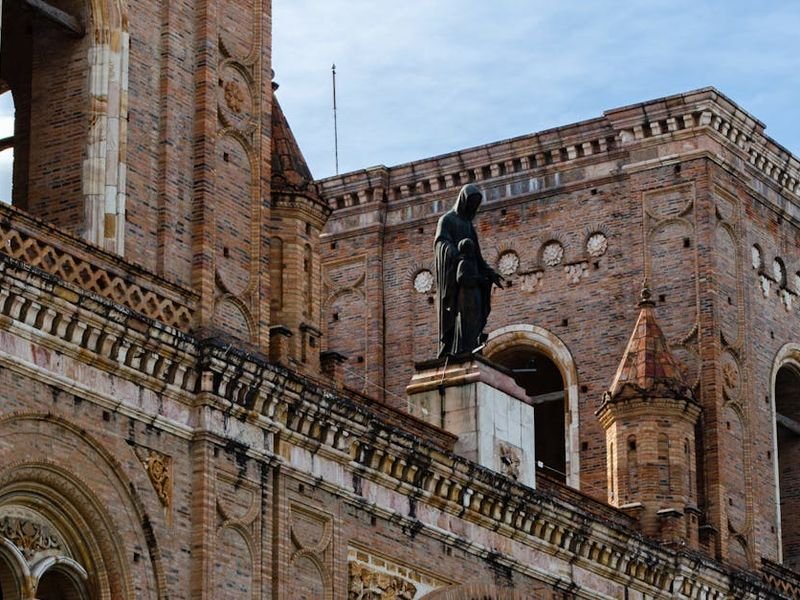
Cuenca, Ecuador, greets newcomers with an unmistakable calm: cobbled streets, the steady flow of the Tomebamba River, and a skyline punctuated by the blue domes of the New Cathedral. Unlike the high tempo of many North American or European cities, Cuenca moves at a gentler pace. Understanding and accepting this difference is the first step to making the city feel like home.
The relaxed tempo isn’t just about slower foot traffic — it’s embedded in everyday life. Shop hours may include long midday breaks, conversations are often unhurried, and social interactions place value on presence rather than speed. For busy professionals and retirees alike, this atmosphere can offer a welcome transition if you approach it with intention.
Start with Small Routine Changes
Adapting to a slower life is easier when you make tiny, concrete shifts in your daily routines. The goal isn’t to force yourself to be slow, but to create a rhythm that naturally fits Cuenca’s tempo.
- Move errands to mornings: Many shops, markets, and municipal services run best before lunchtime. Make mornings your productive block and reserve afternoons for leisurely activities.
- Adopt the long lunch: Try the Ecuadorian “almuerzo” — a set-menu lunch that’s affordable and often includes soup, a main, and a drink. It’s practical and a cultural experience.
- Layer down: With Cuenca’s high-altitude climate, mornings and evenings get cool while afternoons warm up. Dress in layers to avoid rushing back home to change.
Use Local Spaces That Encourage Slowness
Want to practice being present? Cuenca has built-in places that make slowing down natural.
- Parque Calderón: The central plaza is a hub for people-watching, concerts, and casual meetups. Sit on a bench with a coffee and watch daily life unfold.
- Tomebamba riverwalks: Stroll the paths along the river; the green spaces and bridges create pockets of calm within the city.
- Mirador Turi: For a dramatic but tranquil escape, head to the viewpoint to watch the city glow at sunset.
- Local cafés and bakeries: Choose a favorite café, learn the barista’s name, and make regular slow mornings part of your week.
Language and Communication: Small Investments, Big Returns
Spanish is the key that unlocks deeper connections and a sense of belonging. Even a modest ability to speak Spanish pays off in friendlier interactions and smoother errands.
- Start with practical phrases: Learn greetings, polite requests, and how to ask for directions. Words like “buenos días,” “por favor,” and “gracias” go a long way.
- Join a language exchange: Look for conversation meetups in cafés or community centers. These are low-pressure ways to practice and meet both locals and other expats.
- Take private lessons: If you want faster progress, a local tutor can tailor lessons to everyday tasks — banking, healthcare visits, and market shopping.
Getting Around: Embrace Walkability and Local Transport
Cuenca is a walkable city, especially in the Historic Center. Cobblestone streets and narrow alleys encourage strolling rather than rushing. Comfortable shoes will be your best friend.
Public transport is economical and ubiquitous. Buses and shared taxis cover the city, and official taxis are affordable for shorter trips. Learn the basic routes, carry small change, and ask drivers or shopkeepers if you’re unsure — locals are generally helpful and patient.
Housing Choices That Match the Lifestyle
Where you live will shape how easily you adapt to Cuenca’s pace. Consider your priorities — proximity to the Historic Center for cultural life, or a quieter residential neighborhood for a more secluded pace.
- Historic Center: Great for walkability, markets, and frequent cultural events. Expect some noise from tourism but unbeatable convenience.
- Residential neighborhoods: Offer more green space and quieter evenings. Look for neighborhoods with local shops and easy bus access to the center.
- Apartment vs house: Smaller apartments minimize upkeep and encourage you to explore the city; houses are ideal if you want a garden or more private space.
Food, Markets, and Eating Like a Local
One of the best anchors for a slower rhythm is food culture. Cuenca’s markets and neighborhood eateries are social spaces as much as they are places to shop or eat.
- Morning market runs: Visit the central market or neighborhood mercados early for fresh produce, friendly banter, and bargain hunting. It’s a ritual that slows your pace while connecting you with suppliers.
- Try the almuerzo: The midday menu often includes a choice of two or three mains at an unbeatable price — a delicious way to sit down, enjoy a full meal, and observe daily life around you.
- Cafés and bakeries: There’s a vibrant café scene—perfect for reading, writing postcards, or meeting a friend for a multi-hour chat.
Healthcare, Pharmacies, and Practical Services
Cuenca has reputable medical facilities and pharmacies stocked with common medicines. If you are on medication, bring a copy of prescriptions and learn how to communicate your needs in Spanish.
For bureaucratic tasks like residency or opening a bank account, expect slower timelines than you might be used to. Patience and persistence pay off. Consider hiring a local gestor if paperwork feels overwhelming; they often streamline processes and communicate with government offices on your behalf.
Social Life and Finding Community
Moving slowly doesn’t mean you should feel isolated. Cuenca has a layered social tapestry: long-time residents, thriving expat circles, student communities, and creative locals. Finding your crowd will help you settle more comfortably into the city’s relaxed tempo.
- Volunteer opportunities: Local charities and schools welcome help; giving back creates strong ties and a sense of purpose.
- Hobby clubs: Photography groups, walking clubs, and art workshops are common. They combine learning with social interaction at a slow, friendly pace.
- Religious and spiritual groups: For many newcomers, churches and spiritual centers offer community and social events that ease the transition.
Managing Expectations and Overcoming Frustrations
Slower bureaucratic timelines, inconsistent opening hours, and occasional communication gaps can be frustrating. Reframe inconveniences as part of the local character rather than obstacles — this mental shift reduces stress and helps you respond calmly.
Practical strategies include:
- Always allow extra time when scheduling appointments.
- Keep copies of important documents in both digital and physical forms.
- Use local networks — a neighbor, shopkeeper, or helpful administrator can often speed up a process or point you in the right direction.
Safety, Common Sense, and Nightlife
Cuenca is generally considered safe relative to larger Latin American cities, but no place is risk-free. Standard precautions—watching your belongings, avoiding poorly lit streets late at night, and securing your home—go a long way.
Nightlife in Cuenca follows the slow theme: evenings often revolve around dinner, small concerts, or late-night cafés rather than all-night clubbing. If you’re craving nightlife, the Historic Center and a few neighborhood bars host live music and cultural events.
Work, Productivity, and Embracing a Balanced Life
If you work remotely or start a new business in Cuenca, you’ll need strategies to stay productive in a slower environment. Structure your day with clear morning work blocks, use co-working spaces or cafés for focused sessions, and schedule collaborative calls during times that align with global time zones.
Creating a clear boundary between work and leisure is essential — the city encourages stepping away from constant productivity. Try replacing an evening of inbox-clearing with a walk along the river or a neighborhood gathering; it refreshes your focus for the next day.
Weekend Escapes and Nature Near the City
One of Cuenca’s advantages is proximity to dramatic nature. Day trips or weekend hikes are easy to arrange and perfect for slowing down even more.
- Mountain hikes and cloud forests: The surrounding highlands offer trails and viewpoints for both brisk treks and easy nature walks.
- El Cajas National Park: A short drive away, this national park has high-altitude lakes and trails where you can spend contemplative mornings away from city noise.
- Local markets and small towns: Weekends are ideal for visiting nearby towns to see artisan markets, sample local cuisine, and practice conversational Spanish.
Practical Checklist for Your First 90 Days
Here’s a compact checklist to help you adopt Cuenca’s pace without feeling adrift:
- Find a favorite café and a nearby grocery market.
- Set up a basic Spanish-learning routine: 20–30 minutes daily.
- Establish a morning work block or errands block to maximize productivity when the city is most active.
- Attend at least one local event per week — a concert, market, or community meeting.
- Take one nature day trip each month to recharge.
- Register essential local services (banking, healthcare contact, and a reliable taxi number).
Final Thoughts: Choose Depth Over Speed
Adapting to Cuenca’s relaxed lifestyle is less about cutting your to-do list and more about deepening how you experience the city. Slow down enough to notice the small things: the way a bakery smells in the morning, the rhythm of a neighborhood market, the light on the cathedral at dusk. These are the textures of daily life that transform a stay into a sense of belonging.
Be patient with yourself. There will be moments of impatience and cultural friction — that’s normal. Each small, intentional practice will make the city feel more like home. In Cuenca, the reward for slowing down is a richer, more connected everyday life.
Welcome to Cuenca — take your time.