
Table of Contents
Why Cuenca’s Pace Feels Different — and Why That’s a Gift
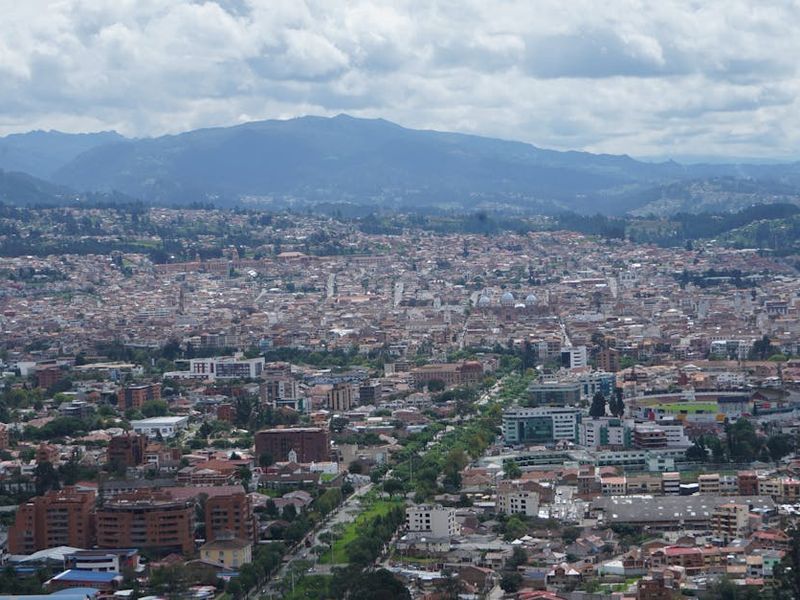
Cuenca, Ecuador’s UNESCO-listed jewel in the southern Andes, moves at a deliberate tempo. At about 2,560 meters above sea level, the city’s mild climate, colonial core, and river promenades encourage long breakfasts, afternoon strolls, and conversation. For newcomers used to rush and instant everything, Cuenca’s rhythm can feel frustrating at first — or wonderfully restorative. Understanding what’s behind that pace helps you adapt with less stress and more enjoyment.
First Days: Practical Steps to Avoid Early Frustration
Your first 72 hours set the tone. Start by resting and acclimating to the altitude — avoid heavy exercise, drink plenty of water, and take it easy on the first day. Registering at the local immigration office, opening a bank account, and getting a local SIM card are helpful early tasks, but don’t expect every errand to be completed same-day. Lines, paperwork, and slower service are common; come prepared with identification, copies, and patience.
Essentials to bring or buy immediately
- Light layers and a rain jacket: weather changes fast at altitude.
- ID/passport and multiple photocopies for bureaucracy.
- A local SIM card (providers like Claro and Movistar operate here) and a portable charger.
- Cash in small bills for markets and taxis — many small businesses prefer cash.
Finding the Right Neighborhood: Where to Live Based on Your Lifestyle
Choosing where to live in Cuenca affects how easily you’ll adapt. The Centro Histórico puts you at the heart of plazas, churches, and cobbled streets — excellent for walking and feeling immersed. Neighborhoods a short taxi or bus ride away offer quieter residential life with parks and larger modern shops. If you want modern amenities like malls and gyms, look near the larger commercial areas; if you want colonial charm and easy access to cafés and museums, the historic center is ideal.
Practical considerations when choosing a place
- Walkability: If you like daily walks along the Tomebamba River or quick trips to Parque Calderón, choose a central location.
- Noise and nightlife: The Centro is livelier into the evening; quieter districts offer more rest.
- Access to healthcare: If you rely on frequent medical care, select housing near private clinics or bus routes.
- Sun and warmth: Higher-elevation courtyards and south-facing windows feel sunnier in winter months.
Adjusting to Slower Service: Banking, Shops, and Appointments
Cuenca’s businesses often operate on a different timetable than what you may be used to. Small shops and municipal offices can have a midday lull — many close briefly for lunch. Banks and public services may require appointments, so schedule ahead where possible. Malls and larger supermarkets tend to keep more predictable, extended hours if you need something outside typical business windows.
Tips to manage errands efficiently
- Make appointments for doctors, notaries, and immigration visits; arrive early.
- Complete errands mid-morning to avoid midday closures.
- Keep a list of reliable businesses and bilingual staff recommended by neighbors or expat groups.
Healthcare and Insurance: Stay Calm by Planning Ahead
Cuenca has strong healthcare options for residents — public hospitals and good private clinics and specialists. Many expats choose private care for shorter wait times and English-speaking doctors. If you plan to stay long-term, research insurance options: joining Ecuador’s public social security (IESS) requires certain eligibility, while private international or local insurance offers alternatives. Know where the nearest clinic is, and carry copies of prescriptions and medical records.
Practical healthcare tips
- Bring a short list of medicines and their generic names; pharmacy brands vary.
- Ask clinics about English-speaking staff — some have bilingual receptionists or coordinators.
- Keep emergency numbers handy and identify the closest hospital or urgent care before illness strikes.
Embrace Local Routines: Food, Markets, and Mealtimes
Food is central to Cuenca’s tempo. Long breakfasts, lingering lunches, and coffee breaks are common. The city’s markets and neighborhood bakeries offer fresh produce, bright flowers, and artisan goods — shopping frequently in smaller amounts fits the local way. Dining is relaxed; meals are an opportunity for conversation, not just fuel. Try local dishes and seasonal markets to both nourish and connect.
Local eating habits worth adopting
- Enjoy morning coffee in a plaza cafe — people-watching is part of the experience.
- Use mercados for fresh fruit and vegetables; vendors are friendly and often can prepare produce for you.
- Try regional specialties (ask locals for recommendations) and be open to lunchtime restaurant crowds.
Transportation: Slow Travel, Easy Navigation
Cuenca’s transport options reflect the relaxed pace. Walking is often the most enjoyable way to get around the historic center. Taxis are inexpensive and plentiful — agree on a price if the meter isn’t used — and buses crisscross the city on well-established routes at a low cost. Ride-hailing apps and private remises operate too. Traffic can be slower than expected during peak hours, so plan travel time generously.
Smart ways to get around
- Carry small change for buses and quick taxi trips.
- Download a local transit map or route app to learn bus lines; ask neighbors for tips.
- Walk whenever possible — the architecture and river walks make it worthwhile.
Language and Social Life: Small Adjustments, Big Rewards
Spanish proficiency transforms daily life in Cuenca. Even basic phrases open doors to friendships and better service. Language classes, conversation meetups, and volunteering are low-pressure ways to practice. Community groups — both Ecuadorian and expat — host language exchanges, cultural events, and casual meetups that help you integrate without forcing a fast pace.
Ways to build social ties at Cuenca’s pace
- Join a weekly language exchange or a hobby club (photography, walking groups, dance) to meet people slowly.
- Volunteer with a local non-profit for structured social contact and purposeful routine.
- Attend cultural events in the plazas — they’re often free and low-key.
Dealing with Culture Shock: Recognize It, Then Respond
The slower pace can trigger frustration, loneliness, or impatience. That’s normal. Give yourself permission to feel the shift: schedule small goals each week, keep regular calls with friends or family back home, and maintain routines that ground you — morning walks or weekly cultural outings. If you hit a wall, stepping back and reframing the experience as an opportunity to slow down can be powerful.
Practical coping strategies
- Set reasonable expectations: not everything will be fast, and that’s okay.
- Create a mix of fast and slow activities — errands for efficiency; cafes and strolls for leisure.
- Find a small project (gardening, learning a craft, or volunteering) to channel restlessness into accomplishment.
Enjoying the Extra Time: Simple Habits to Make the Most of Cuenca
Once you accept the slower tempo, Cuenca rewards you with daily pleasures: watching light hit the blue-domed cathedral, browsing artisan shops on a lazy afternoon, or sipping coffee by the river as students pass by. Cultivate habits that celebrate slowness — keep a journal of discoveries, prioritize long breakfasts with friends, or make a ritual of walking a different barrio each weekend. Over time, the slow pace becomes less of an adjustment and more of a chosen way of living.
Final Tips: Small Shifts That Make a Big Difference
Adapting to Cuenca’s relaxed lifestyle isn’t about surrendering efficiency — it’s about balancing structure with openness. Plan important tasks with time buffers, learn a bit of Spanish, keep a health and insurance plan in place, and build social connections incrementally. With small, practical changes and a willingness to savor the moment, Cuenca’s pace can transform from an obstacle into one of the city’s greatest gifts.
Remember: settling in slowly doesn’t mean doing less — it means doing things with intention. Let the city’s rhythm teach you how to live with more presence, and you’ll find the calm of Cuenca enriches both your daily routine and your long-term wellbeing.