
Table of Contents
Why Cuenca feels like home — quickly
Cuenca, Ecuador’s charming highland city, attracts expats with its colonial streets, mild year-round climate, and a pace of life that balances modern convenience with deep traditions. If you’re moving here, you’ll find a warm civic center, riverside promenades, and neighborhoods that suit a wide range of lifestyles. But getting comfortable takes more than a good apartment: it requires understanding local customs, practical daily habits, and a few unspoken rules that shape everyday interactions.
Getting to know the neighborhoods
Choosing the right barrio makes settling in much easier. The historic center (El Centro) places you in the middle of cobblestone plazas, markets, and churches — perfect for those who love walking to cafes, museums, and artisan shops. If you prefer quieter residential streets, neighborhoods slightly outside the core offer larger apartments and gardens. Popular residential areas for expats include those with easy access to parks, clinics, and grocery stores; keep in mind that proximity to the river or a hilltop mirador often means steeper streets.
Daily routines and practical life
Cuenca’s climate is famously mild thanks to its altitude — bring layers. Mornings can be cool, afternoons pleasantly warm, and evenings chilly. The city experiences a pattern of wetter and drier months, so a lightweight rain jacket is essential for surprise showers. Expect many small businesses and markets to close for a midday break or have shorter hours on certain weekdays; larger supermarkets and malls have more predictable schedules.
Money and banking
Ecuador uses the US dollar, which simplifies budgeting for many expats. ATMs are widespread, and local banks offer services in Spanish. For routine expenses, cash is still commonly used in markets and smaller shops, while credit and debit cards work well in restaurants and larger stores. If you’ll be staying long-term, setting up a local bank account can simplify bill payment and recurring expenses.
Communication and connectivity
Mobile coverage in Cuenca is reliable and there are several major carriers offering prepaid SIMs. Fast internet is widely available in apartments and cafes; if you work remotely, ask landlords about connection speeds and opt for fiber when possible. Joining local Facebook groups or expat forums is a great first step to find service providers, language classes, and recommended doctors.
Local customs and social etiquette
Cultural norms in Cuenca blend conservative politesse with friendly warmth. Greetings are important: a quick handshake or a single cheek kiss is common when meeting someone for the first time, and more affectionate greetings occur among friends. Using the formal “usted” with strangers and elders shows respect — switch to first-name dynamics only after the other person invites it.
Invitations, gifts, and hosting
When invited into someone’s home, it’s polite to bring a small gift such as flowers, chocolate, or a bottle of wine. Expect guests to remove their shoes sometimes, although it’s not universal. Hosts tend to be warm and proud to share traditional foods — accept at least a taste and compliment the cook. Timing for social events can be more relaxed than in North America; arriving 10–20 minutes late is usually acceptable for casual gatherings.
Food culture: what to try and where
Cuenca’s culinary scene centers on fresh produce, hearty soups, and regional specialties that highlight Andean ingredients. Local markets are a feast for the senses: produce stalls with seasonal fruits and vegetables, cheese counters, bakeries with fresh loaves, and vendors selling street snacks. Popular dishes you’ll see often include hearty potato soups, grilled meats, and traditional breads from neighborhood panaderías.
Dining out and market tips
Market stalls and small eateries offer affordable home-style meals. Menu del día (a daily set meal) provides excellent value and a chance to taste local cooking. When buying at markets, bring cash and small bills, bag your own groceries if possible, and carry reusable bags. If you want to try local specialties, ask vendors for recommendations — they’re often happy to point you toward the freshest options.
Learning Spanish and connecting with locals
Language is the key to deeper connections. While many younger Ecuadorians and service workers speak some English, Spanish opens doors to friendships and services. Enroll in a local Spanish school or hire a tutor; community centers and language exchanges provide low-cost practice. Learning a few regional expressions and polite phrases goes a long way and shows respect for local culture.
Volunteer, join clubs, and practice
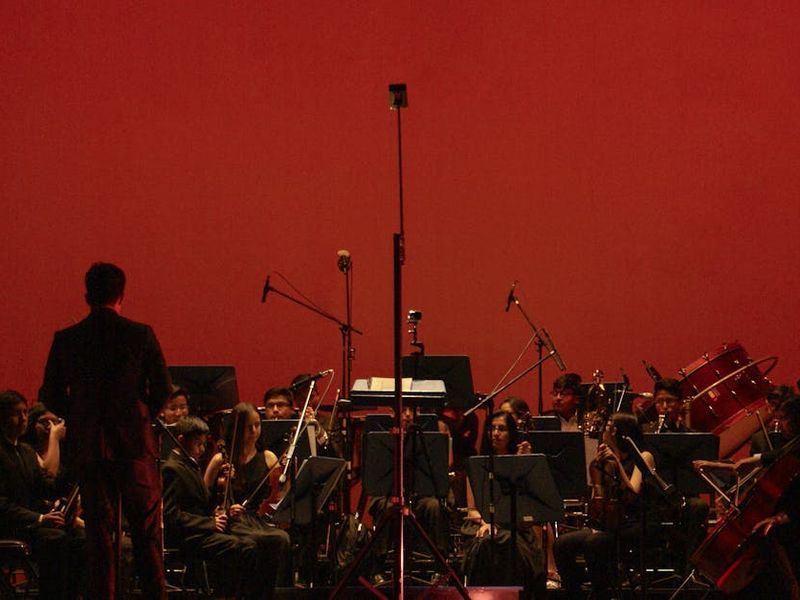
To meet locals and other expats, volunteer at community projects, attend cultural events, or join hobby groups like hiking clubs or art workshops. Cuenca has a lively arts scene with concerts, museums, and galleries — these public events are ideal for practicing Spanish in a relaxed setting.
Transport: getting around Cuenca
Cuenca’s layout makes it easy to get around by foot in the historic center, but public transport and taxis are inexpensive for longer trips. The city introduced a tram system several years ago, offering a clean, efficient option across central routes. Local buses serve most neighborhoods; learn common routes from locals or ask at your accommodation. Taxis are plentiful — agree on the fare or insist the driver use the meter to avoid misunderstandings.
Driving and safety
If you plan to drive, be prepared for narrow lanes in older parts of the city and a driving culture that can feel hurried. Shopping for a car? Many expats prefer buying locally used vehicles to avoid import complications. Always carry your license and insurance documents, and be aware that parking in tighter neighborhoods may require paid lots or street permits.
Health care and safety
Cuenca offers a mix of public and private healthcare facilities; many expats opt for private clinics for quicker appointments and English-speaking staff. Medical services are significantly more affordable than in the U.S. and Europe, but it’s wise to carry travel or international health insurance for major procedures. Pharmacies are well-stocked for common ailments; for chronic conditions, ensure you have prescriptions translated and refilled locally.
Personal safety
Cuenca is generally considered safe, but petty crime such as pickpocketing or bag-snatching can occur, especially in crowded markets and on public transport. Take basic precautions: keep valuables out of sight, use a money belt or inside jacket pocket, and avoid walking alone in poorly lit areas at night. Local police and community resources are responsive; if something happens, reporting the incident helps authorities track patterns and improve safety.
Understanding local celebrations and traditions
Culture in Cuenca is rich with religious and civic celebrations. Public festivals, parades, and patron saint days bring neighborhoods alive with music, food, and colorful processions. Participating respectfully — watch processions from designated areas, dress modestly at religious events, and ask before taking close-up photos — will endear you to locals and deepen your cultural experience.
Practical tips for long-term living
Set up your day-to-day life with a few smart moves: register for a local SIM card, learn how to pay bills online or through local bank apps, and find a reliable handyman or bilingual real estate agent. Keep copies of important documents, and if you plan to stay long-term, explore residency options and the local identification process. Join neighborhood associations or expat meetups to stay informed about local news and services.
Embracing a slower rhythm
One of the biggest cultural shifts for newcomers is the slower pace in many aspects of life — from business dealings to social appointments. Patience and flexibility pay dividends. Instead of trying to force familiar routines, observe, ask questions, and let local rhythms shape your day. You’ll find that a little adaptability brings richer relationships and less stress.
Final thoughts: respect, curiosity, and practical preparation
Adjusting to life in Cuenca isn’t just about logistics; it’s about cultivating respect for local customs and staying curious. Learn Spanish, be mindful of etiquette, and take time to explore markets, museums, and neighborhood events. With practical preparation — the right paperwork, a local bank account, and a basic Spanish toolkit — you’ll find Cuenca both comfortable and endlessly rewarding.
Whether you’re here for a season or setting roots for years, the city rewards those who show respect, ask questions, and immerse themselves in daily life. Pack your layers, brush up on polite phrases, and get ready to discover a community that balances tradition, culture, and genuine warmth.
Adam Elliot Altholtz serves as the Administrator & Patient Coordinator of the “Smilehealth Ecuador Dental Clinic“, along with his fellow Expats’ beloved ‘Dr. No Pain‘, right here in Cuenca, Ecuador, and for purposes of discussing all your Dental needs and questions, is available virtually 24/7 on all 365 days of the year, including holidays. Adam proudly responds to ALL Expat patients from at least 7:00am to 9:00pm Ecuador time, again every single day of the year (and once more even on holidays), when you write to him by email at info@smilehealthecuador.com and also by inquiry submitted on the Dental Clinic’s fully detailed website of www.smilehealthecuador.com for you to visit any time, by day or night. Plus, you can reach Adam directly by WhatsApp at +593 98 392 9606 -or by his US phone number of 1‐(941)‐227‐0114, and the Dental Clinic’s Ecuador phone number for local Expats residing in Cuenca is 07‐410‐8745. ALWAYS, you will receive your full Dental Service in English (NEVER in Spanish), per you as an Expat either living in or desiring to visit Cuenca by your Dental Vacation, plus also to enjoy all of Ecuador’s wonders that are just waiting for you to come arouse and delight your senses.