
Table of Contents
Why regular dental check-ups matter — beyond a clean smile
Regular dental check-ups do more than keep your breath fresh and your teeth bright. They are preventive care that catches issues early, protects your overall health, and saves money and discomfort down the road. For expats living in Cuenca, where quality private dental care is affordable and accessible, establishing a consistent check-up routine is one of the best health investments you can make.
How often should you go? Guidelines and personalization
The common recommendation is a dental check-up every six months, which typically includes an exam and a professional cleaning. But one size does not fit all. Your dentist will customize an interval depending on:
- Gum health — people with periodontitis may need visits every 3–4 months.
- Decay risk — frequent cavity formers often benefit from more frequent check-ins.
- Medical conditions — diabetes, pregnancy, or immune issues change oral health needs.
- Lifestyle factors — tobacco use, high-sugar diets, and certain medications can increase risk.
During your first visit in Cuenca, expect the dentist to assess these factors and propose a personalized schedule.
What a routine check-up in Cuenca usually includes
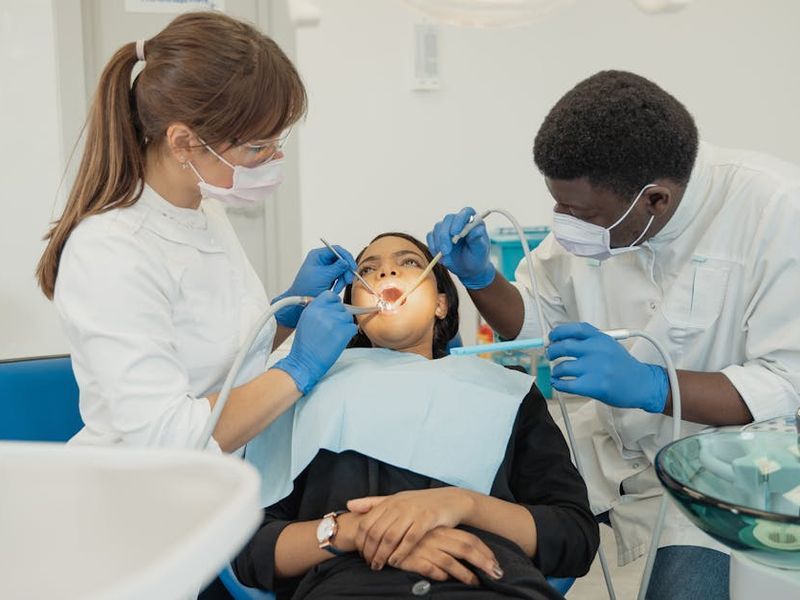
A typical appointment at a private clinic in Cuenca lasts 30–60 minutes and may involve:
- A full oral exam: soft tissues, gums, bite, and visible teeth.
- Cleanings (prophylaxis): plaque and tartar removal using ultrasonic scalers and polishing.
- Digital X-rays when needed: bitewings or panoramic images to detect cavities or bone changes.
- Periodontal charting: measuring gum pocket depth if gum disease is suspected.
- A written treatment plan and cost estimate if work is required.
Many Cuenca clinics offer English-speaking staff or dentists experienced helping expats. Ask about language ability when booking.
When to visit sooner: signs and dental emergencies
Don’t wait for a scheduled appointment if you notice:
- Sudden, severe tooth pain or swelling — possible infection.
- Trauma or a knocked-out tooth — urgent action can save it.
- Loosened crowns or fillings — to prevent further damage.
- Persistent bleeding or painful, red gums — signs of advanced gum disease.
- New lumps, sores, or white/red patches that don’t heal — get evaluated for oral cancer or other conditions.
Cuenca has clinics that accept walk-ins for emergencies; however, calling ahead helps you find the fastest option. Many private clinics provide same-day or next-day emergency slots.
Dental costs in Cuenca — what to expect and how to save
Ecuador uses the US dollar, which simplifies budgeting for North American and international expats. Prices are generally lower than in the U.S. or Europe, but vary by clinic, materials, and dentist experience. Typical private clinic ranges (approximate):
- Routine check-up and cleaning: $20–$60
- Dental X-rays: $10–$40
- Composite fillings: $30–$120
- Root canal therapy: $150–$450 (depending on tooth complexity)
- Crowns: $200–$700 (metal-ceramic or ceramic options vary)
- Implants: $800–$2,000 per implant (including crown, ranges widely)
Save money by maintaining good home care, seeking early treatment (smaller restorations cost less), and comparing quotes from two or three reputable clinics before major work. Many clinics offer payment plans or discounts for cash payments; always get a written estimate.
Public versus private care — making the right choice
Cuenca’s public health network provides basic dental services, often free or low-cost for residents using the Ministry of Public Health (MSP) or municipal programs. Public care can be a good option for routine needs, especially for long-term residents and those on tight budgets. However, private clinics typically offer:
- Shorter wait times
- Advanced technology (digital X-rays, CAD/CAM crowns)
- Wider language options and patient-centered scheduling
- More cosmetic and complex procedures
For expats without local health coverage, private care is often the most practical route.
Finding a dentist in Cuenca — practical tips for expats
Start with these steps to find a dentist who fits your needs:
- Ask local expat groups and neighborhood WhatsApp chats for recommendations—expat communities are active and helpful.
- Look for clinics near central neighborhoods like El Centro, Parque Calderón, or Avenida Remigio Crespo for convenience.
- Check online reviews and clinic websites for photos, service lists, and staff bios. Many clinics publish price guides.
- Confirm professional credentials and sterilization standards—ask if the clinic uses autoclaves and disposable items where applicable.
- Inquire about language support and if they can communicate in English or use an interpreter.
When you call to book, ask what the initial visit includes, how long it will take, and whether X-rays are part of the cost.
What to bring to your first appointment
Bring these items to speed up the process and provide your dentist with useful history:
- Passport or ID and copies of any local residency papers.
- List of current medications and known allergies.
- Previous dental records or X-rays if you have them (digital files are helpful).
- Contact info for your primary physician if you have chronic conditions like diabetes.
- Payment method: clinics typically accept cash (USD), cards, or electronic transfers.
Having this information enables the dentist to tailor care safely and efficiently.
Communication and consent: asking the right questions
Good communication prevents surprises. Ask these questions at your visit:
- What did you find during the exam and what caused it?
- Are there alternative treatments, and what are the pros and cons?
- What materials will you use (metal, ceramic, resin) and what are their lifespans?
- How long will the treatment take and what are the aftercare steps?
- What are the exact costs and any warranty on work done?
Ask for written estimates and informed consent forms. If anything is unclear, don’t hesitate to request clarification or a second opinion.
Special groups: children, seniors, and pregnant people
Different life stages require special attention:
- Children: Start dental visits by their first birthday or when the first tooth erupts. Pediatric dentists in Cuenca can guide fluoride use, sealants, and cavity prevention tailored to local diets.
- Seniors: Older adults are more prone to gum disease, dry mouth, and root decay. Regular periodontal care and prosthetic maintenance (dentures, implants) are essential.
- Pregnancy: Hormonal changes can increase gum inflammation. Routine cleanings and necessary urgent care are safe; elective procedures are best scheduled after delivery.
Make sure pediatric or geriatric needs are discussed upfront when choosing a clinic.
Dental tourism and major treatments: planning stays in Cuenca
Cuenca is a popular base for dental work because of cost-effectiveness, quality care, and a pleasant environment for recovery. If you’re planning crowns, multiple implants, or cosmetic dentistry, consider these tips:
- Plan multiple visits: treatments like implants require healing time between stages.
- Schedule consultations first to confirm suitability and timelines.
- Allow extra days for follow-up and possible remakes.
- Book accommodations and transportation near your clinic to reduce stress during recovery.
Many clinics will coordinate with you by email to prepare records and treatment plans before you arrive.
Infection control and safety standards — what to look for
Ask about these infection control practices to ensure safe care:
- Use of autoclaves for sterilizing instruments and visible sterilization logs.
- Disposable items where appropriate (needles, gloves, suction tips).
- Digital radiography that reduces radiation exposure and speeds diagnosis.
- Clear explanations of anesthesia and emergency protocols.
Clinics that openly show their sterilization area or explain their protocols are more likely to maintain good standards.
Home care between check-ups — daily habits that make visits easier
Routine oral hygiene is the first line of defense and directly impacts how often you’ll need extensive dental work. Key habits include:
- Brushing twice daily with a fluoride toothpaste for two minutes.
- Flossing or using interdental cleaners daily to remove plaque between teeth.
- Using an antimicrobial mouthwash if recommended by your dentist.
- Maintaining a balanced diet and limiting sugary snacks and sodas.
- Quitting tobacco—smoking increases gum disease, tooth loss, and oral cancer risk.
Good daily care reduces costs and discomfort and makes check-ups quicker and less involved.
Final checklist for new expats: getting started with dental care in Cuenca
Here’s a short action list to get your dental health on track after moving to Cuenca:
- Find 2–3 clinics and read reviews; ask expat groups for recommendations.
- Schedule an initial comprehensive exam and cleaning within your first few months.
- Bring previous dental records or X-rays if you have them.
- Confirm language options and sterilization protocols with the clinic.
- Set up a personalized recall schedule based on your dentist’s advice.
Taking these steps will help you enjoy Cuenca without the distraction of undiagnosed dental problems.
Conclusion: Preventive care pays off — locally and long-term
Regular dental check-ups are a small time commitment that protects your oral health and your overall well-being. For expats in Cuenca, the combination of accessible private clinics, lower costs than many home countries, and a supportive local expat community makes it an excellent place to prioritize dental care. Book that first exam, build a relationship with a trusted dentist, and enjoy the confidence that comes with a healthy smile in your new home.