
Table of Contents
Introduction: Dentistry as Part of Everyday Health in Cuenca
Keeping your teeth and gums healthy is about more than a bright smile — it affects sleep, nutrition, confidence, and even chronic disease management. For expats and long-term residents in Cuenca, regular dental check-ups are an easy, high-impact step toward staying well in a new country. This article explains when you should see a dentist, what happens at routine visits, how Cuenca’s dental system works, and practical tips for finding quality and affordable care.
Why Regular Dental Check-Ups Are Important
Routine dental visits catch small problems before they become big, expensive, or painful. Cavities, gum disease, early oral cancer signs, poorly fitting crowns, bruxism (teeth grinding), and wear from acid reflux are just a few issues that show up during a standard exam. Many conditions are painless in their early stages, so waiting until you have discomfort often means more invasive treatment is needed.
Beyond fixing problems, check-ups include preventive services like professional cleaning (scaling), polishing, fluoride treatments when appropriate, and patient education on brushing and flossing techniques. For people with diabetes, heart disease, or those taking certain medications, dental health is closely linked to overall health — regular dental care helps manage these interactions.
How Often Should You Visit a Dentist?
General guidance is to schedule a check-up every six months. This frequency works for most adults with reasonably healthy gums and a low rate of new cavities. However, the optimal interval is individual. Your dentist may recommend:
- Every three to four months if you have active periodontal (gum) disease or heavy tartar buildup.
- Every three months for people who are immunocompromised or have uncontrolled diabetes.
- Every six months to a year for those with excellent oral health and no ongoing issues.
- For children, visits typically start when the first tooth appears or by age one, then follow a schedule set by a pediatric dentist.
What to Expect During a Routine Dental Visit in Cuenca
A standard check-up usually lasts 30–60 minutes and includes several key steps. First, the dentist or dental hygienist will update your medical history — bring any medications and mention recent health changes. Then comes a full-mouth exam: visual inspection, probing of the gums, and sometimes dental X-rays to look between teeth and under restorations.
Professional cleaning (scaling and polishing) removes plaque and hardened tartar. The dentist will check for cavities, loose fillings, cracks, and signs of gum disease. They’ll also assess bite and look for signs of bruxism or temporomandibular joint (TMJ) issues. Expect recommendations for follow-up care or preventive treatments like fluoride or sealants, and clear instructions on at-home care.
Common Dental Services Available in Cuenca
Cuenca offers a wide range of dental services from simple fillings to advanced restorative and cosmetic procedures. Common services include:
- Routine cleanings and periodontal therapy
- Composite (tooth-colored) fillings and root canal therapy
- Tooth extractions and surgical extractions
- Crowns, bridges, and removable dentures
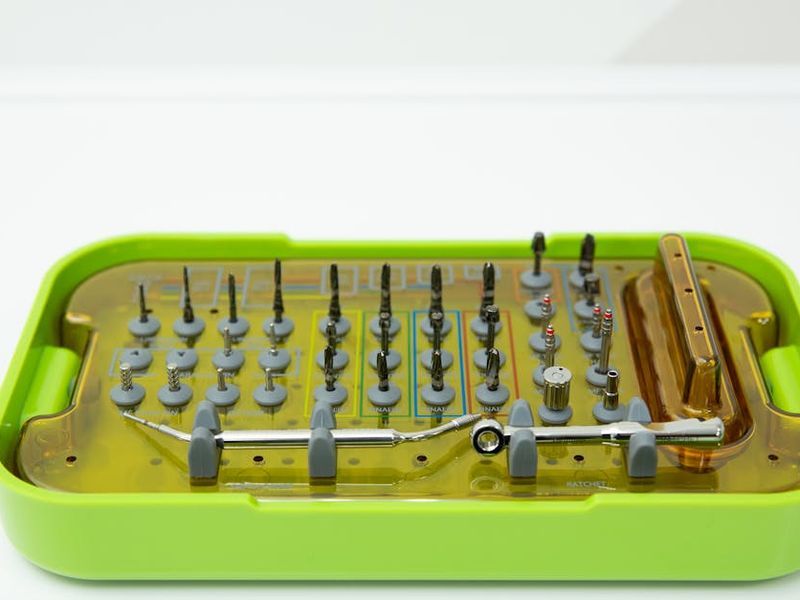
- Dental implants and implant-supported restorations
- Orthodontics (braces and clear aligners)
- Cosmetic treatments like whitening and veneers
- Emergency dental care for trauma, infection, or severe pain
Many dental clinics in Cuenca also provide sedation options for anxious patients, and some offer specialized pediatric dentistry or geriatric dental care. When exploring options, ask about the dentist’s training, the materials they use, and whether they offer guarantees on certain procedures.
Cost Expectations and Payment Tips
Dental costs in Cuenca are generally more affordable than in North America or Europe, which is why the city is popular with dental tourists and expats. Prices vary by clinic, the complexity of the procedure, the materials used, and whether treatment requires lab work. Typical approximate ranges (USD) you might encounter are:
- Cleaning and exam: $20–$60
- Composite filling: $30–$120
- Simple extraction: $20–$80
- Root canal: $100–$400 (depending on the tooth)
- Crowns: $200–$600
- Dental implants: $700–$1,800 (per implant, depending on brand and technique)
These ranges are approximate; always get a written estimate. Most clinics accept cash (USD) and major credit cards; some accept bank transfers. If you have private insurance, confirm whether your Ecuadorian or international plan covers treatments in Cuenca. The Ecuadorian Social Security Institute (IESS) provides dental services to contributors, but wait times and coverage may be limited for certain procedures.
Finding a Reliable Dentist in Cuenca
Choosing the right dentist is about trust, communication, and clear expectations. Start by asking neighbors, fellow expats, or local Facebook groups for recommendations. Clinics near the Centro Histórico and popular residential areas tend to cater to foreigners and often have English-speaking staff, though many competent dentists can be found throughout the city.
When evaluating a clinic, consider the following:
- Cleanliness and modern equipment (digital X-rays, sterilization practices)
- Clear, itemized quotes and treatment plans
- Willingness to show credentials and explain options in plain language
- Reviews from recent patients and before/after photos for complex procedures
- Availability of follow-up care and emergency contact procedures
Many dentists in Cuenca communicate via WhatsApp for booking and follow-up questions — a convenient option if you’re busy or prefer text-based scheduling. If Spanish is not your first language, ask up front whether an English-speaking staff member is available or arrange for a translator during the visit.
Emergency Dental Care: What to Do in Cuenca
Dental emergencies — severe pain, uncontrolled bleeding after an extraction, swelling that affects breathing — require prompt attention. Many private clinics offer same-day emergency slots. If you arrive at a clinic with a severe infection, expect immediate evaluation and possibly antibiotics, pain control, and drainage or extraction if needed.
If the issue occurs outside clinic hours, local hospitals with emergency departments can offer initial stabilization, though they may not perform definitive dental procedures. Keep a small “dental emergency kit” at home: gloves, clean gauze, over-the-counter pain relievers, and the contact number of your dentist. If you travel outside Cuenca, plan for where you’ll access care in the next town or city.
How to Prepare for Your Visit
Make your appointment more productive by preparing in advance. Bring a list of medications, any dental records or X-rays if you have them, and your identification or insurance information. If you’re undergoing a multi-step treatment like implants or crowns, ask for a written timeline and what to expect for recovery, post-op care, and additional costs.
For anxious patients, inquire about anti-anxiety options. Many dentists can prescribe mild oral sedatives or offer nitrous oxide (laughing gas). Schedule complex procedures for the morning if you prefer to recover during the day and have someone available to drive you home if sedation is used.
Practical Preventive Habits Between Visits
Routine dental visits are most effective when coupled with daily prevention. Follow these simple, evidence-based habits:
- Brush twice daily with fluoride toothpaste for two minutes each time.
- Floss once a day to remove interproximal plaque.
- Limit sugary snacks and sticky foods; rinse with water after meals if brushing isn’t possible.
- Use an alcohol-free antimicrobial mouthwash if recommended by your dentist.
- Maintain a balanced diet rich in calcium and vitamin D for bone and tooth health.
For expats adjusting to Ecuadorian cuisine, be mindful of sugary juices and frequent fruit consumption which, while healthy in many ways, can increase the risk of erosion and cavities if oral hygiene is neglected. Chewing sugar-free gum after meals can stimulate saliva and help neutralize acids.
Special Considerations for Expats and Long-Term Visitors
New residents should register with a local dentist soon after arrival, even if no problems exist. Building a relationship with a provider helps when urgent care is needed and makes routine maintenance easier. For long procedures, such as implant placement, coordinate timelines with travel plans — many treatments require multiple visits spread over months.
Language barriers can be handled in several ways: choose a clinic with bilingual staff, bring a trusted friend who speaks Spanish, or use interpreter services. Keep copies of dental records from your previous country — digital files or photos of X-rays are especially useful. Finally, compare multiple quotes for major work and consider getting a second opinion if something feels rushed or unclear.
Conclusion: Invest in Regular Care to Keep Smiling
Regular dental check-ups are a small, manageable investment with big returns for your health and peace of mind. In Cuenca you’ll find capable, affordable dental care, whether through private clinics, the public system, or international-friendly practices near the historic center. By scheduling check-ups, knowing what services are available, and maintaining everyday preventive habits, you’ll protect your smile and avoid larger problems down the road.
Start by booking an exam within the next six months, bring your medical history, and don’t hesitate to ask questions. A clear treatment plan, honest pricing, and a dentist who listens will make your dental care in Cuenca both effective and stress-free.
Adam Elliot Altholtz serves as the Administrator & Patient Coordinator of the “Smilehealth Ecuador Dental Clinic“, along with his fellow Expats’ beloved ‘Dr. No Pain‘, right here in Cuenca, Ecuador, and for purposes of discussing all your Dental needs and questions, is available virtually 24/7 on all 365 days of the year, including holidays. Adam proudly responds to ALL Expat patients from at least 7:00am to 9:00pm Ecuador time, again every single day of the year (and once more even on holidays), when you write to him by email at info@smilehealthecuador.com and also by inquiry submitted on the Dental Clinic’s fully detailed website of www.smilehealthecuador.com for you to visit any time, by day or night. Plus, you can reach Adam directly by WhatsApp at +593 98 392 9606 -or by his US phone number of 1‐(941)‐227‐0114, and the Dental Clinic’s Ecuador phone number for local Expats residing in Cuenca is 07‐410‐8745. ALWAYS, you will receive your full Dental Service in English (NEVER in Spanish), per you as an Expat either living in or desiring to visit Cuenca by your Dental Vacation, plus also to enjoy all of Ecuador’s wonders that are just waiting for you to come arouse and delight your senses.