
Table of Contents
Why Cuenca Belongs on Every Food Lover’s Map
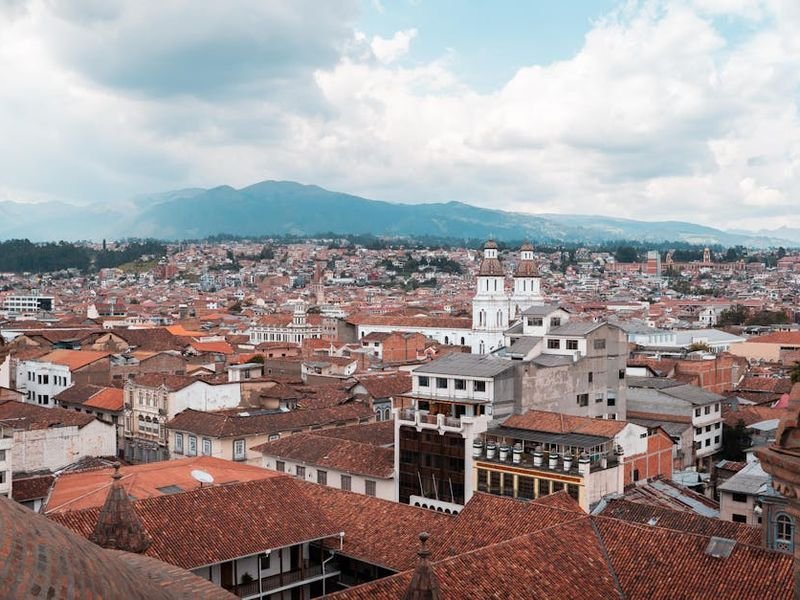
Cuenca, Ecuador’s highland jewel, is more than colonial architecture and sweeping mountain views — it’s a city where heritage and innovation meet on the plate. From steaming bowls of locro to inventive chef-driven tasting menus, Cuenca has quietly developed a food scene that satisfies budget travelers, curious expats, and serious gourmands alike. In this guide you’ll find neighborhood recommendations, standout dishes, market tips, and practical advice so you can eat well without missing any of the cultural flavor.
Navigating Cuenca’s Dining Neighborhoods
Picking where to eat often comes down to neighborhood vibe. Here are the districts to know when planning your culinary outings.
Centro Histórico (Parque Calderón and Calle Larga)
The historic core around Parque Calderón is packed with restaurants, from traditional fondas to contemporary bistros. Calle Larga — one of the city’s most pedestrian-friendly streets — has a long line-up of cafés and dining rooms, making it perfect for an afternoon crawl. Expect tourist-friendly menus here, but also some surprisingly authentic kitchens tucked into side streets.
Tomebamba and Río Yanuncay
Stroll along the Tomebamba or Yanuncay rivers for a calmer choice. Riverside cafés and small family-owned restaurants offer relaxed lunches and great views. These areas are excellent for brunch or coffee pauses between sightseeing.
San Sebastián and El Vergel
These residential neighborhoods are where locals dine. You’ll find fondas (home-style eateries) serving generous plates at low prices and newer gastropubs catering to expats. If you want authentic flavors in a less touristy environment, explore these barrios.
Must-Try Dishes and Where to Find Them
Cuenca’s cuisine blends Andean staples, coastal influences, and Spanish tradition. Below are the dishes you should order and tips on where to taste the best versions.
- Locro de papa: A creamy potato and cheese soup, often finished with avocado. A winter favorite; try it at market stalls and family-run restaurants for the most comforting versions.
- Fritada: Crispy, slow-fried pork served with mote (corn), plantain, and pickled onions. Look for it at weekend food markets or fondas.
- Llapingachos: Potato patties filled with cheese and grilled — frequently served with a fried egg and sausage. A beloved breakfast and lunch item.
- Cuy asado: Roasted guinea pig is a regional specialty; many restaurants in the Centro and traditional eateries offer a well-prepared cuy for special meals.
- Ceviche: Ecuadorian ceviche is its own category — tangy, often tomato-based, and served with popcorn or chifles (plantain chips). Coastal-style ceviche spots and some riverside eateries do excellent versions.
- Helados de paila: Artisanal sorbets churned on a large cold copper pan — a classic Cuenca treat found in plazas and near busy pedestrian streets.
Markets and Street Food: Where the Real Flavor Lives
For a fast, affordable, and authentic food education, head to Cuenca’s markets. The central municipal market is a sensory immersion: pineapple and passionfruit sold side-by-side with sacks of quinoa, fresh herbs, and steaming pots. Here are practical tips for market visits.
- Bring cash: Most vendors don’t take cards, and small bills make transactions easier.
- Try the “plato del día”: Many market restaurants offer a filling three-course lunch for a bargain price — a great way to taste multiple local dishes.
- Be bold with street snacks: Empanadas, humitas (steamed corn tamales), and grilled corn with cheese are ubiquitous and safe to sample if cooked fresh.
Cafés, Bakeries, and the Coffee Culture
Cuenca has a thriving café scene fueled by Ecuador’s diverse coffee-growing regions. Whether you need a strong espresso before exploring or a slow afternoon of people-watching, you’ll find cafés with character and quality beans.
Look for cafés that roast their own beans or list the region on the menu — beans from Loja, Zamora, or the coastal foothills each have distinct profiles. Many cafés also serve freshly-baked panadería items like bizcochos and quesadilla-style pastries, perfect with a cortado.
From Fondas to Fine Dining: Picking the Right Meal
Your dining choice in Cuenca could be a simple fonda where a family serves hearty local plates, or an intimate fine-dining room with tasting menus. Here’s how to choose based on what you want:
- Budget eats: Markets and fondas — expect to pay US$2–6 for a hearty lunch.
- Mid-range: Neighborhood bistros and diners — common check for two: US$12–35 including drinks.
- Fine dining: Chef-driven tasting menus and contemporary restaurants in the historic center can run US$30–70 per person.
Vegetarian, Vegan, and Special Diets
Traditional Ecuadorian fare leans on meat and dairy, but Cuenca’s dining scene has adapted to dietary diversity. Many restaurants now list vegetarian and vegan options; international cafés and fusion kitchens often have plant-based dishes that don’t feel like an afterthought.
Tips for eating with restrictions:
- Learn key Spanish phrases: “Soy vegetariano/a” (I’m vegetarian), “Sin carne” (without meat), and “¿Esto tiene leche/huevo/harina?” (Does this have milk/egg/flour?) will help avoid misunderstandings.
- Market stalls may offer vegetarian versions of classic dishes — ask if the broth is chicken-based before ordering soups or locros.
- Vegan desserts are less common, but you’ll find fresh fruit, sorbets, and some cafés with plant-based cakes.
Drinks: Local Favorites Beyond Coffee
Refreshing beverages are part of the culinary experience. Try fresh fruit juices made from passionfruit, taxo, or naranjilla at market stalls, or a chicha morada-style beverage where available. Cuenca also has a growing craft beer community and several bars that serve Ecuadorian and international beers.
If you enjoy wine, higher-end restaurants carry both local and imported selections. Cocktails often incorporate local fruits and unconventional flavors — perfect for a warm evening on a terrace.
Food Tours, Cooking Classes, and Hands-On Experiences
If you want a deep dive, sign up for a market-based food tour or a hands-on cooking class. Market tours introduce you to native ingredients and vendors, while home-cooked classes teach techniques for dishes like llapingachos or locro. These experiences are great for learning the stories behind the food and meeting local cooks.
Booking tips:
- Reserve in advance, especially during peak tourist season and weekends.
- Small-group tours offer more interaction with vendors and cooks; private classes are perfect for specialized dietary needs.
- Ask if tastings are included and whether transportation is provided from your hotel.
Practical Dining Tips for Visitors and New Residents
Understanding local customs and practicalities will make dining smoother and more enjoyable:
- Meal timing: Lunch is often the heartiest meal — menus del día are served around noon and up to 3pm. Dinner usually starts later, around 7pm, and many restaurants close temporarily between lunch and dinner.
- Reservations: For popular weekend dinner spots, rooftop terraces, or any well-known tasting-menu restaurant, book ahead — tables can fill quickly.
- Payment: Cards are widely accepted in mid-range and upscale places, but carry cash for markets and fondas. Small ATMs are available near key areas but check fees.
- Tipping: A 10% service charge is sometimes included; if not, 10% is considered generous. For markets and small stalls tipping is not customary.
- Water safety: Many locals drink tap water, but new arrivals often prefer bottled or filtered water; when in doubt, ask.
Seasonal and Festival Eats
Cuenca’s culinary calendar pulses with seasonal produce and festivals. During religious holidays and fairs you’ll find special baked goods, street vendors, and extended market hours. Try to coincide a visit with a local feria for the best selection of ephemeral treats.
Seasonality matters: highland fruits and root vegetables peak at different times, and beef or pork festivals pop up periodically. Seasonal menus at higher-end restaurants are an excellent way to taste locally sourced ingredients showcased by inventive chefs.
Safety, Hygiene, and Smart Eating
Eating street food is a highlight in Cuenca, but a few precautions will keep your trip healthy. Choose busy stalls — high turnover means fresher food — and avoid items sitting unrefrigerated for long periods. Always check eggs and shellfish preparation if you have a sensitive stomach. For raw or undercooked dishes, select reputable vendors or restaurants with hygienic reviews.
If you’re staying for a longer period, get to know a few trusted spots for regular meals. Building relationships with cooks and owners often means trying off-menu specialties and getting personalized recommendations.
Sample One-Day Eating Itinerary
To help you plan, here’s a sample day that balances market discoveries, local staples, and a refined dinner:
- Morning: Start with a café cortado and a warm quesadilla at a neighborhood coffee shop near Parque Calderón.
- Mid-morning: Walk to the municipal market for fresh fruit juice and a market-to-table snack, like an empanada or humita.
- Lunch: Enjoy a menú del día — think soup, a main (fritada or pollo), and juice — at a fonda frequented by locals.
- Afternoon: Sample helados de paila for dessert and stroll the Tomebamba riverbanks to digest.
- Dinner: Reserve a tasting-menu or a chef’s special in the historic center and finish the night with a cocktail featuring local fruit.
Final Thoughts: Eat Like a Local, Taste the City
Cuenca rewards curiosity. Whether you’re sampling a humble bowl of locro at a market stall, savoring a meticulously plated tasting menu, or sipping a river-view espresso, each meal is a chance to connect with the region’s culture and ingredients. Take your time, follow local recommendations, and don’t be afraid to step down an alley for a fonda with a line of regulars — those are often the best meals. Buen provecho and enjoy discovering Cuenca, one plate at a time.