
Table of Contents
Why Cuenca is a Must-Visit Destination for Food Lovers
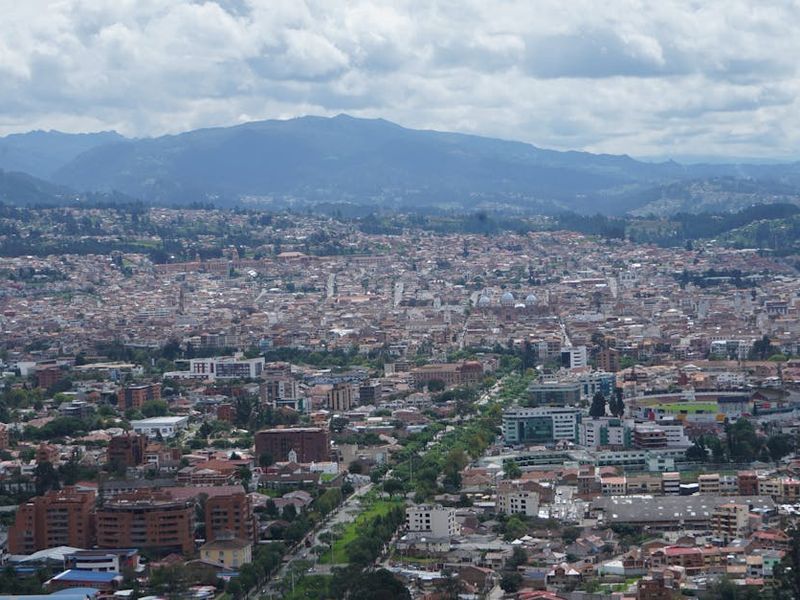
Cuenca’s food scene is a layered mix of Andean tradition, coastal influences and modern culinary creativity. Perched in the southern highlands at roughly 2,560 meters, the city is a magnet for cooks, farmers and restaurateurs who take advantage of the region’s fresh produce, slow-paced lifestyle and a steady flow of curious visitors. Whether you love humble market food, artisanal coffee or elevated tasting menus, Cuenca delivers authentic flavors in relaxed settings.
Understand the Culinary Basics: Local Dishes to Try
Before you walk into your first restaurant, learn a few classic Ecuadorian dishes you’ll encounter everywhere in Cuenca. These staples give you a good foundation for noticing how different kitchens interpret the same ingredients.
- Locro de papa: A creamy Andean potato and cheese soup—comforting and often a breakfast or lunch staple.
- Fritada and hornado: Slow-roasted or fried pork dishes served with mote (hominy), plantain, and salad—common at markets and family-style restaurants.
- Llapingachos: Potato patties usually served with meat, avocado, and a fried egg—great for brunch.
- Ceviche and encebollado: Coastal seafood in Cuenca is ubiquitous and adapted to local tastes; ceviche can be more citrus-forward, encebollado is a hearty fish soup popular for breakfast.
- Cuy (guinea pig): A traditional Andean specialty best tried at established eateries where it’s prepared respectfully—crispy and lean.
- Helado de paila: Hand-churned ice cream made in a metal pan—fruity and refreshing after a long market stroll.
Where to Eat: Neighborhoods and What to Expect
Cuenca’s best flavors are tied to neighborhoods. Here’s a quick map of where to go and what to look for.
Centro Histórico and Parque Calderón
The heart of the city is busiest and most tourist-friendly, full of cafés, bakeries and traditional restaurants. This area is ideal for trying a mix of street food, family-run fondas and polished restaurants with views of the cathedral. Expect weekday lunch crowds—many locals take their main meal at midday.
Calle Larga and the Downtown Eating Corridor
Calle Larga is a pedestrian-friendly stretch lined with cafés, tapas bars and small plates spots. It’s perfect for hopping between a coffee shop, a dessert stop and a late-night bistro. Many places here cater to expats and travelers, so English menus and gluten-free or vegetarian options are common.
Riverside (Tomebamba) and Barrio San Sebastián
Look for quieter, more intimate restaurants along the river and on the hills above the city. These neighborhoods have bakeries, boutique coffee shops and small, family-run restaurants where chefs showcase local produce and old family recipes. Great spots for a relaxed dinner away from the busiest tourist streets.
Local Markets and Food Stalls
Markets are where you’ll taste Cuenca’s most authentic flavors. Early mornings are best: vendors sell fresh juices, empanadas, roasted corn and home-style stews. Market stalls are informal, inexpensive, and delicious—bring cash and a sense of adventure.
Types of Restaurants to Explore
From tiny fondas to mult-course tasting menus, Cuenca’s restaurant types reflect the city’s diverse palate. Consider trying all of the following during your visit.
- Fondas and comedores: Small family-run eateries that serve hearty plates at wallet-friendly prices—perfect for experiencing truly local cooking.
- Mercado stalls: Eat where the locals eat. Market food is usually quick, fresh, and extremely affordable.
- Modern Andean restaurants: Chefs reinterpret traditional ingredients with contemporary techniques—great for foodies seeking innovation.
- Seafood spots: Expect excellent ceviche and seafood soups, even in the highlands—thanks to fast supply chains from the coast.
- Cafés and panaderías: Cuenca’s coffee scene is strong—try local roast profiles alongside baked goods like bread de yuca or buttery croissants.
- Vegetarian and vegan restaurants: A growing number of dedicated spots cater to plant-based diets; many regular restaurants also offer vegetarian options.
How to Find the Best Places: Practical Tips
Finding outstanding restaurants in Cuenca is part luck, part strategy. Here are practical tips to get the most out of your dining adventures.
- Ask locals: Taxi drivers, market vendors and shop owners often point you to excellent, unpretentious places tourists miss.
- Follow the crowds: A busy restaurant is usually a sign of quality and freshness—especially at market stalls.
- Check opening hours: Many places shut in the mid-afternoon after lunch and reopen for dinner; plan accordingly.
- Bring cash: Cards are often accepted in larger restaurants, but markets and small fondas usually prefer cash. Keep small bills for street vendors.
- Make reservations: For upscale and popular restaurants, reserve a table for weekend nights to avoid disappointment.
- Be mindful of altitude: At around 2,560 meters, some visitors find heavy meals affect them more—pacing yourself and staying hydrated helps.
Typical Prices and Tipping Culture
Cuenca is generally affordable, but prices vary by venue.
- Market lunches and street snacks: $2–$6
- Casual sit-down meals: $6–$15
- Upscale multi-course dinners: $20–$50+
Tipping of around 10% is customary in restaurants, and some places add a service charge—check your bill. For market stalls and smaller eateries, tipping isn’t expected but rounding up is appreciated.
Daily Itineraries for Different Budgets and Interests
To help you plan, here are sample culinary itineraries for a food-focused day in Cuenca.
Budget-Friendly Day
- Breakfast: Panadería—try a fresh pastry and a small coffee.
- Mid-morning: Market stroll—taste fresh fruit juices and a local empanada.
- Lunch: Comedor—enjoy a hearty plate (fritada or locro) with locals.
- Afternoon: Helado de paila at a street vendor.
- Dinner: Casual pichincha or downtown eatery for a relaxed meal.
Mid-Range Foodie Day
- Breakfast: Specialty café with single-origin Ecuadorian coffee and an egg dish.
- Lunch: A modern Andean restaurant—sample a creative interpretation of local dishes.
- Afternoon: Cooking class or food tour to learn about local ingredients.
- Dinner: Popular bistro or seafood restaurant—try ceviche or a tasting menu.
Splurge Day
- Breakfast: Leisurely brunch at a riverside café.
- Lunch: Fine-dining tasting menu featuring local farmers’ produce.
- Afternoon: Visit a boutique chocolate shop for single-origin Ecuadorian chocolate tasting.
- Dinner: Chef’s table or reservation-only restaurant with wine pairings.
Special Experiences: Markets, Classes and Food Events
For foodies who want immersive experiences, Cuenca offers more than sit-down meals.
- Market tours: Guided market walks introduce you to seasonal produce, spices and street-food classics—great for understanding how local households cook.
- Cooking classes: Learn to prepare locro, llapingachos or ceviche with chefs who use market ingredients and offer hands-on instruction.
- Chocolate and coffee tastings: Ecuador is famous for cacao and coffee—look for small ateliers and roasters offering tastings and factory tours.
- Food festivals: Check local event calendars—food fairs and festivals pop up seasonally and are an excellent way to sample many vendors at once.
Dietary Needs: Vegetarian, Vegan and Allergies
Vegetarian and vegan options are increasingly common in Cuenca’s restaurants and cafés. Many menus now include plant-based protein options, and chefs are receptive to allergy requests—especially in tourist-friendly areas. Still, in smaller family kitchens, traditional dishes often contain cheese or meat broths, so it’s best to ask staff when in doubt.
Safety, Hygiene and Drinking Water
Cuenca is considered one of Ecuador’s cleaner cities for food safety, but standard precautions apply. Eat at busy stalls with high turnover for fresher food, avoid ice if you’re unsure of water sources, and wash hands before eating. Many locals drink tap water and the city’s water treatment is generally reliable, but travelers often prefer bottled or filtered water, especially when trying raw foods.
How to Bring Cuenca Home: Food Shopping and Souvenirs
If you want to recreate Cuenca at home, look for these takeaways:
- Local coffee beans: Buy freshly roasted beans from a roaster or café—ask for roast level and origin.
- Cacao and chocolate: Artisanal chocolate bars showcasing Ecuadorian cacao are an excellent souvenir.
- Dried spices and ají: Small packets of local spice blends or ají sauces help recreate flavors from the region.
- Handmade sweets: Packaged sweets like local preserves or dehydrated fruit—ideal for gifts.
Final Tips: How to Eat Like a Local
To finish, here are quick tips that will elevate your culinary adventures in Cuenca:
- Eat lunch at midday—the best homemade meals are served then.
- Follow the scent—roasting meat and fresh coffee are good indicators of quality.
- Try a little of everything; small plates and sharing are part of the culture.
- Bring cash for small vendors and tip modestly in sit-down restaurants.
- Talk to servers and vendors—asking about ingredients and cooking methods opens doors to special recommendations.
Cuenca rewards curious palates. Whether you start your day with a cup of locally roasted coffee, linger over a market plate of hornado, or savor a chef’s reinterpretation of an Andean classic at dusk, the city offers flavors that are both comforting and surprising. Travel with an appetite and you’ll find that every neighborhood has its own culinary story waiting to be tasted.