
Table of Contents
Why Cuenca belongs on every food lover’s map
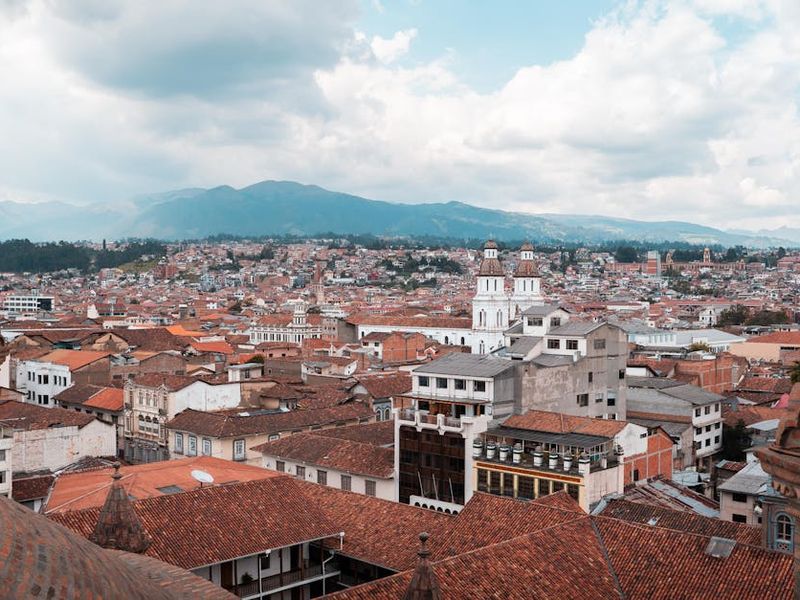
Cuenca’s old town, with its cobbled streets and blue-domed cathedral, is not just a feast for the eyes — it’s a delight for the palate. Nestled high in the Andes, the city blends indigenous traditions and Spanish colonial influences, producing dishes and flavors that are unique to the Southern Sierra. Whether you crave a humble street snack, a traditional Sunday roast, or a modern tasting menu that reinterprets Andean ingredients, Cuenca delivers variety, affordability, and hearty flavor.
Signature dishes to try (and where they shine)
Before you sit down at any restaurant, arm yourself with a short list of local must-orders. These dishes appear across Cuenca in markets, home-style eateries, and fine dining spots alike.
- Hornado — Slow-roasted pig served with mote (hominy), plantains, and salad. You’ll often find whole slabs in picanterías and on weekend menus.
- Locro de papa — A creamy potato and cheese soup that’s comforting and filling; ideal for cooler evenings in the highlands.
- Mote pillo — Scrambled eggs mixed with mote, garnished with fresh onion and herbs; commonly served at breakfast or brunch.
- Llapingachos — Potato patties stuffed with cheese, typically accompanied by chorizo, avocado, and a fried egg.
- Ceviche and encebollado — While coastal in origin, fresh fish dishes are widely available; encebollado (fish soup) is a popular hangover cure.
- Cuy — Guinea pig, a traditional Andean specialty. If you’re adventurous, enjoy it roasted and crispy in specialty restaurants.
- Empanadas de viento — Airy, fried cheese empanadas dusted with sugar — a classic snack often found at street stalls.
- Helado de paila — Artisanal sorbet made on a cold metal pan; try fruit combinations like taxo, mora (blackberry), or naranjilla.
- Bizcochos — Light savory biscuits that pair perfectly with coffee, especially in local bakeries.
Neighborhoods that food lovers should explore
Cuenca’s food scene is clustered around a few distinct areas. Each neighborhood offers its own atmosphere and specialties.
Historic Center (Centro Histórico)
The heart of Cuenca is where colonial charm meets culinary variety. Around Parque Calderón and the cathedral, you’ll find everything from elegant restaurants in restored mansions to small cafés serving hearty soups and lunches. This area is ideal for tourists who want a mix of ambience and high-quality cooking — perfect for sampling a refined take on local ingredients.
Riverside & Calle Larga
Walk along the Tomebamba River and you’ll discover intimate cafés, riverside bistros, and casual spots serving grilled meats and fresh salads. These restaurants often have outdoor seating and views of the river and its floral terraces, making them great for relaxed dinners or late-afternoon snacks.
Markets and food stalls
The most authentic flavors are often found in markets and near busy municipal squares. Look for row-after-row of stalls selling fresh juice, empanadas, roasted meats, and local desserts. Markets are also the best place to watch dishes being prepared, meet the vendors, and ask about family recipes.
Types of places to eat and how to pick the best one
Cuenca accommodates every dining style. Here’s a quick guide to choosing a place based on what you want to experience.
- Picanterías: Traditional local diners that focus on regional classics. Perfect for hornado and hearty lunches; often busiest on Sundays.
- Family-run restaurants: Look for places with handwritten menus and daily specials; these offer excellent value and authentic flavors.
- Modern bistros & tasting menus: For a contemporary perspective on Andean ingredients, seek out chefs experimenting with local produce and artisanal techniques.
- Street food stalls: Best for quick bites like empanadas, grilled corn, and fresh juices — ideal for exploring on the go.
- Cafés and bakeries: A thriving coffee culture ensures you’ll find excellent espresso, pour-overs, and artisan pastries at small cafés throughout the city.
- Vegetarian & vegan eateries: Cuenca’s expat community has inspired a number of plant-based cafés and restaurants, many offering inventive versions of local dishes.
A practical foodie day in Cuenca: an itinerary
If you only have one day to eat like a local, try this sample route that moves from morning to night and highlights a variety of flavors.
- Breakfast: Start with a café and bizcochos — try coffee from a local roaster and dip your biscuit into a hot beverage.
- Mid-morning market visit: Walk to the central market to sample empanadas de viento, fresh fruit juices, and helado de paila. Watch vendors make snacks and ask for recommendations.
- Lunch: Head to a picantería for hornado or locro de papa. Order a side of mote or llapingachos to share.
- Afternoon: Take a slow walk along the Tomebamba River, stopping for a coffee or a sweet at a riverside café.
- Dinner: Choose either a cozy family restaurant for more traditional fare or a modern bistro for a tasting menu featuring Andean ingredients like oca, melloco, or local cheeses.
- Nightcap: End with a local liqueur (such as canelazo, in cooler months) or visit a bar that specializes in Latin American craft cocktails.
Vegetarian, vegan and special diets
While Cuenca is known for meat-centric dishes like hornado and cuy, the city has adapted well to dietary preferences. Many cafés and bakeries offer plant-based milk and vegan pastries. Dedicated vegetarian restaurants and health-food cafés can be found near main parks and in the historic center. When eating at traditional restaurants, ask for dishes without meat or request meat-free versions — locals are accommodating and often able to adjust portions.
Food safety, costs and dining etiquette
Here are practical tips so your culinary adventures stay pleasant and safe:
- Currency: Ecuador uses the US dollar, and most restaurants accept cash and cards. Small street vendors usually prefer cash.
- Tipping: A 10% tip is customary if service isn’t included. For exceptional service, round up a bit more.
- Water: Tap water in Cuenca is generally treated, but many visitors prefer bottled water or filtered water, especially after long travel.
- Meal times: Lunch is the main meal and often served from midday to about 3 PM. Dinner tends to start later, around 7–9 PM.
- Haggling: Not typical at restaurants, but common in markets when buying crafts or individual food items from some vendors.
- Allergies: Always communicate dietary restrictions clearly in Spanish if possible. Carry a translation card with key allergies and phrases.
How to find the best restaurants right now
Tastes and popular spots change quickly, so use these approaches to discover the best tables and stalls during your visit.
- Ask locals: Hotel staff, market vendors, and shop owners are invaluable sources of up-to-date recommendations.
- Walk and explore: Some of the most memorable meals are found in unassuming places off the main tourist routes.
- Check recent reviews: Look at recent traveler photos and reviews for what’s trending, but weigh those against local suggestions.
- Food tours and cooking classes: Join a guided food tour or take a cooking class to learn about market shopping, preparation techniques, and to meet local chefs.
Insider tips for memorable meals
Food in Cuenca is about more than taste — it’s about experience. Here are a few small practices that will enhance your dining adventures:
- Visit markets early in the morning when produce is freshest and vendors are most lively.
- Try a picantería on a Sunday: that’s often when families gather and the best slow-roasted offerings appear.
- Sample sweets from different vendors to compare helado de paila flavors; fruit seasonality changes what’s on offer.
- Pair dishes with local flavors: a small glass of sugarcane juice, fresh fruit smoothies, or a canelazo during the cool season.
- Bring small bills for street vendors and buskers — it makes small purchases smoother and is appreciated by locals.
Wrapping up: a taste of Cuenca to take home
Cuenca’s dining scene is a blend of tradition and innovation. Whether you’re savoring a steamy bowl of locro in a family-run kitchen, sharing plates of llapingachos on a riverside terrace, or discovering a chef’s modern twist on Andean tubers, the city rewards curiosity. Be adventurous, ask questions, and you’ll not only eat well — you’ll leave with stories and flavors that linger long after the trip ends.
Ready to plan your next meal? Start with the market, follow your nose, and don’t be afraid to ask the person next to you for a recommendation — that’s how the best culinary discoveries are made in Cuenca.
Adam Elliot Altholtz serves as the Administrator & Patient Coordinator of the “Smilehealth Ecuador Dental Clinic“, along with his fellow Expats’ beloved ‘Dr. No Pain‘, right here in Cuenca, Ecuador, and for purposes of discussing all your Dental needs and questions, is available virtually 24/7 on all 365 days of the year, including holidays. Adam proudly responds to ALL Expat patients from at least 7:00am to 9:00pm Ecuador time, again every single day of the year (and once more even on holidays), when you write to him by email at info@smilehealthecuador.com and also by inquiry submitted on the Dental Clinic’s fully detailed website of www.smilehealthecuador.com for you to visit any time, by day or night. Plus, you can reach Adam directly by WhatsApp at +593 98 392 9606 -or by his US phone number of 1‐(941)‐227‐0114, and the Dental Clinic’s Ecuador phone number for local Expats residing in Cuenca is 07‐410‐8745. ALWAYS, you will receive your full Dental Service in English (NEVER in Spanish), per you as an Expat either living in or desiring to visit Cuenca by your Dental Vacation, plus also to enjoy all of Ecuador’s wonders that are just waiting for you to come arouse and delight your senses.