
Table of Contents
Why Cuenca is a Must-Visit for Food Lovers
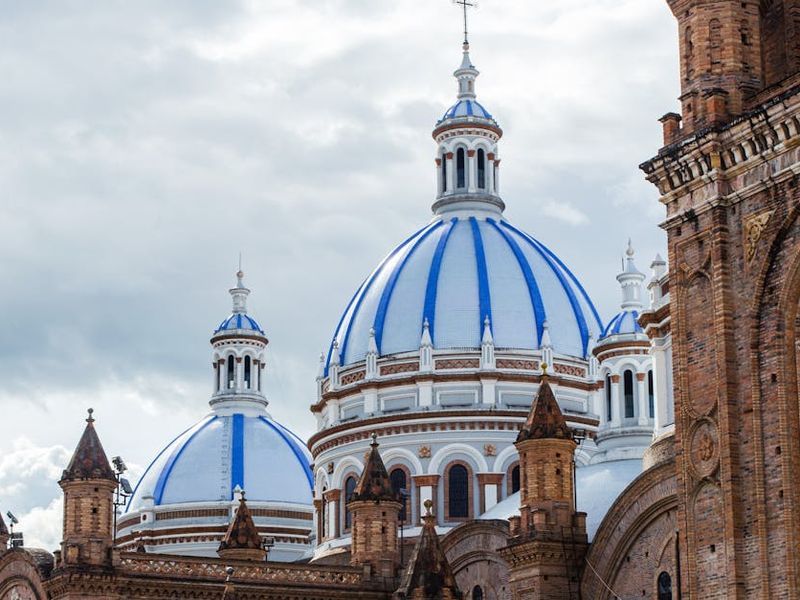
Cuenca, Ecuador’s UNESCO-listed colonial gem, has quietly grown into one of the country’s most exciting culinary destinations. Set high in the Andes at about 2,560 meters (8,400 ft), the city combines indigenous ingredients, Spanish and Andean traditions, and modern global techniques. Whether you crave wood-fired roast pork, fresh mountain trout, artisan breads, or contemporary tasting menus, Cuenca serves up a mix of comforting classics and inventive dishes that every foodie should explore.
How to Use This Guide
This guide focuses on practical, on-the-ground advice that helps you find the best restaurants and food experiences in Cuenca. Instead of a long list of names that may change often, you’ll get neighborhood hotspots, types of places to seek, signature dishes to order, and tips for finding the best meals for your taste and budget. I’ll also include sample day itineraries and food-immersion ideas to help you plan your culinary adventure.
Cuenca Neighborhoods and What to Eat There
Knowing where to go in the city gives you a huge advantage. Here are the neighborhoods that matter most for eating and what to look for in each one.
El Centro Histórico
The heart of the city around Parque Calderón is where colonial architecture meets cafés, bakeries, and restaurants. This area is perfect for sampling hornado (slow-roasted pork), hearty soups, and inventive contemporary plates. Early morning and late afternoon are ideal for café-hopping and people-watching from a terrace.
San Sebastián and Santa Ana
These adjacent neighborhoods are popular with artists and expats and offer cozy bistros, small wine bars, and farm-to-table spots. Look for places that emphasize local produce, tasting menus, and a quieter ambiance away from the busiest tourist streets.
El Centro Sur and Avenida de Las Americas
A more modern stretch with larger restaurants, international options, and late-night dining. This area is useful if you want pizza, Asian-fusion, or a contemporary steakhouse experience.
Mercados and Riverside Areas
Markets like Mercado 10 de Agosto and Mercado Central are essential for street food and traditional eats. The riverside promenades and bridges often have seafood stands and casual places perfect for a midday ceviche or grilled trout.
Essential Dishes to Try in Cuenca
To truly taste Cuenca, put these regional specialties on your must-order list. I’ll pair each with where you’re most likely to find an outstanding version.
- Hornado: Slow-roasted whole pork served with mote (hominy) and salad—best at market eateries and family-run restaurants.
- Fritada: Crispy fried pork with plantains and corn, a classic morning or lunch dish at neighborhood plazas.
- Encebollado: A tangy fish soup, ideal for breakfast or a late-night snack—look near fish markets or beachfront-inspired stalls.
- Cuy: Guinea pig, traditionally roasted—found at specialty traditional restaurants and festival stalls.
- Trucha a la plancha: Fresh mountain trout, often from nearby rivers; grilled versions are common in midrange restaurants.
- Llapingachos: Potato patties frequently served as a side; you’ll see them paired with stews and meats.
- Empanadas de viento: Light, cheesy puffed empanadas—perfect with coffee at bakeries.
- Ceviche: Ecuadorian ceviche (often with shrimp or fish) served with popcorn or plantain chips—best near markets and fish stalls.
Where to Find the Best Food Experiences
Rather than pointing to a single “best” restaurant, here are the types of establishments where you’ll find Cuenca’s culinary highlights and how to spot the great ones.
Traditional Markets: The Heart of Local Flavor
Markets are the fastest way to connect with local food culture. At stalls and small comedor-style restaurants inside markets, you’ll encounter true home-style cooking at wallet-friendly prices. Visit for breakfast to see encebollado and hornado at their freshest, and don’t be shy about asking vendors for recommendations.
Family-Run Eateries and Hora del Almuerzo Spots
Look for lunchtime rushes—locals lining up at tiny restaurants for the menú del día (set-lunch menu) often signals consistent, flavorful cooking. These places change with the seasons and are typically where you’ll find the best daily stews, rice plates, and local desserts.
Modern Bistros and Farm-to-Table Restaurants
Cuenca has a handful of restaurants that focus on elevated presentations and locally sourced ingredients. These kitchens may offer prix-fixe tasting menus or small plates that play with Andean flavors—great for special occasions and culinary curiosity.
Cafés and Bakeries
Cafés in Cuenca range from third-wave coffee shops to traditional panaderías. Look for places advertising small-batch roasted Ecuadorian coffee, fresh pastries, and natural light—ideal for a leisurely breakfast or an afternoon rest stop between sightseeing.
Street Food and Night Stalls
Night markets and late-night vendors serve up quick, satisfying bites. Seek out empanadas, grilled meats, and fresh juices. These stands are perfect for a casual evening sampling multiple small dishes.
Practical Tips for Dining in Cuenca
Eating well in Cuenca is easy if you learn a few local norms and practicalities.
- Hours: Many restaurants open for breakfast and lunch, close in the mid-afternoon, then reopen for dinner. Late-night dining exists but is less common outside popular tourist zones.
- Reservations: For popular bistros or tasting-menu spots, reserve ahead—especially on weekends.
- Payments: Cash in US dollars is widely accepted (Ecuador uses the dollar), though many restaurants accept cards. Smaller market stalls are cash-only.
- Tipping: A 10% service charge may be included; otherwise 5–10% is appreciated for good service.
- Language: Basic Spanish helps—phrases like “¿Qué recomienda?” (What do you recommend?) and “¿Esto lleva pollo/carne/queso?” (Does this have chicken/meat/cheese?) are handy.
- Altitude: At over 2,500 meters, take it easy your first day—eat small, hydrate, and allow time to acclimate before indulging in heavy meals or spicy fare.
Vegetarian, Vegan, and Dietary Considerations
Traditional Ecuadorian cuisine can be meat-heavy, but Cuenca’s growing culinary scene includes many vegetarian and vegan-friendly options. Look for places that offer bean-based dishes, vegetable stews, quinoa salads, and outdoor markets where you can assemble a fresh, plant-focused meal. When dining at more traditional restaurants, ask for dishes prepared without meat broth—using “sin caldo de carne” can prevent surprises for vegetarians.
Food Tours and Cooking Classes
A guided food tour is a fantastic way to learn the local food map quickly. Tours typically include market visits, tastings at several eateries, and conversations with chefs or vendors about ingredients like mote, naranjilla, and local cheeses. Cooking classes—many held in home kitchens or boutique culinary schools—teach techniques for making dishes like llapingachos or aji de mani (a peanut-based sauce) and often include a market visit to buy ingredients.
Seasonal Ingredients and Where They Shine
Cuenca’s seasonal produce drives many menus. Visiting in different months brings new flavors:
- Spring (Sept–Nov): Fresh herbs, early vegetables—great for light salads and trout.
- Summer (Dec–Mar): Abundant fruits, ideal for juices, ceviches, and desserts.
- Fall (Apr–Jun): Heartier dishes return, with root vegetables and comforting stews.
- Winter (Jul–Aug): Cooler nights call for soups, stews, and roasted meats like hornado and cuy.
Sample Food Itineraries: One Day and Three Days
Here are two practical sample itineraries to help you plan meals depending on how much time you have in Cuenca.
One-Day Food Crawl (Highlights)
- Breakfast: Start with coffee and empanadas at a neighborhood bakery near Parque Calderón.
- Mid-morning: Walk the central market—try a small bowl of encebollado or a fresh fruit juice.
- Lunch: Find a busy comedor for a menú del día—expect soup, a main (trout or pork), and a drink.
- Afternoon: Café hop through San Sebastián, enjoying pastry and conversation.
- Dinner: Reserve a modern bistro for a tasting menu or a long meal with local wines/spirits.
- Nightcap: Try a roadside stand for roasted corn or a sweet treat before bed.
Three-Day Culinary Immersion
- Day 1: Follow the one-day plan to get oriented.
- Day 2: Take a half-day cooking class and spend the evening at a riverside seafood spot sampling ceviche and fish dishes.
- Day 3: Explore outer neighborhoods for a farm-to-table lunch, then visit artisan bakeries and cheese shops in the afternoon; finish with dinner at a restaurant that sources ingredients from nearby highland farms.
Where to Shop for Souvenirs and Local Ingredients
Bring the flavors home by shopping at Cuenca’s food markets and specialty stores. Here are items to look for:
- Artisan chocolate made from Ecuadorian cacao—buy from small shops or chocolatiers.
- Local honey and preserves—often sold at markets and farmer stalls.
- Andean spices like achiote and annatto, and dried herbs used in local cooking.
- Handmade cheeses and cured meats—check airline restrictions before packing meat products.
Final Tips for Food Explorers
Cuenca is a city best explored slowly and with curiosity. Ask locals for their favorite places—neighbors, shopkeepers, and taxi drivers often have the best recommendations. Don’t be afraid to try small, crowded spots: a line of locals is one of the most reliable indicators of quality. Finally, leave room for spontaneity: the best meals are sometimes discovered simply by wandering a side street and following an appetizing aroma.
Whether you’re sampling hornado at a market stall, indulging in a multi-course tasting menu, or sipping single-origin Ecuadorian coffee while watching the cathedral bells, Cuenca offers a food scene that rewards both planners and wanderers. Use this guide as your map, but let your palate lead the way.