
Table of Contents
Why Cuenca is a Destination for Food Lovers
Cuenca’s compact colonial center, Andean climate, and mix of indigenous, Spanish and coastal influences make it a surprising culinary gem. Walkable streets take you from market stalls selling steaming bowls of locro to intimate bistros plating inventive fusion cuisine. Whether you crave traditional comfort fare or contemporary tasting menus, Cuenca offers a range of experiences that reflect Ecuador’s diverse regional ingredients.
How to Read Cuenca’s Food Scene
Before diving into specific places, it helps to understand a few local patterns. The almuerzo (set lunch) is king: from about 12pm to 3pm many small restaurants and mercados offer a filling two- or three-course meal for an accessible price. Street food and market stalls serve breakfast and snacks early and late in the day. Fine dining and specialty restaurants are concentrated around Parque Calderón, Calle Larga and the riverfront along the Tomebamba.
Timing and Prices
- Almuerzo: usually $2.50–$6 at mercados and fondas; $8–$15 at mid-range spots.
- Breakfast cafes: $2–$6 for coffee and pastries or a sandwich.
- Fine dining: $20–$45 per person, depending on wine and tasting menus.
Must-Try Cuencana Dishes and Where to Find Them
Seek these regional specialties to get a genuine taste of Cuenca and the southern Andean diet:
Locro de Papa (Potato and Cheese Soup)
Thick, warming and topped with avocado and cheese, locro is an Andean staple. Markets and neighborhood fondas serve the most authentic bowls—look for vendors at Mercado 10 de Agosto and local almuerzo spots near the Parque Calderón.
Hornado (Slow-Roasted Pork)
Hornado is a celebration dish: succulent roasted pork served with mote (hominy), llapingachos (potato patties) or corn. Visit traditional hornado houses and street stands—midday is peak time. Ask locals for the nearest hornado comedor; these family-run places often outshine guidebook names.
Cuy (Guinea Pig)
Cuy is an iconic Andean specialty, often served roasted whole or as a tender portion. If you’re adventurous, try cuy at a traditional comedor outside the main tourist strips where it’s slow-roasted and crispy. Many restaurants will prepare smaller portions for first-timers.
Encebollado and Seafood
Although Cuenca is in the highlands, you’ll find excellent seafood—fresh ceviches and encebollado (fish soup). Look for coastal-style eateries run by families from the coast, and try these dishes at lunch when seafood is freshest.
Bread, Cheese, and Panaderías
Cuenca’s bakeries produce pillowy pan de yuca (cheesy cassava bread), bolones, and flaky pastries. Mornings on Calle Larga and side streets near the river are perfect for a pastry crawl with strong local coffee.
Where to Eat: Neighborhoods and What They Offer
Rather than listing dozens of specific names, here’s how to choose the best spot by neighborhood and vibe.
Centro Histórico (Parque Calderón and Surrounds)
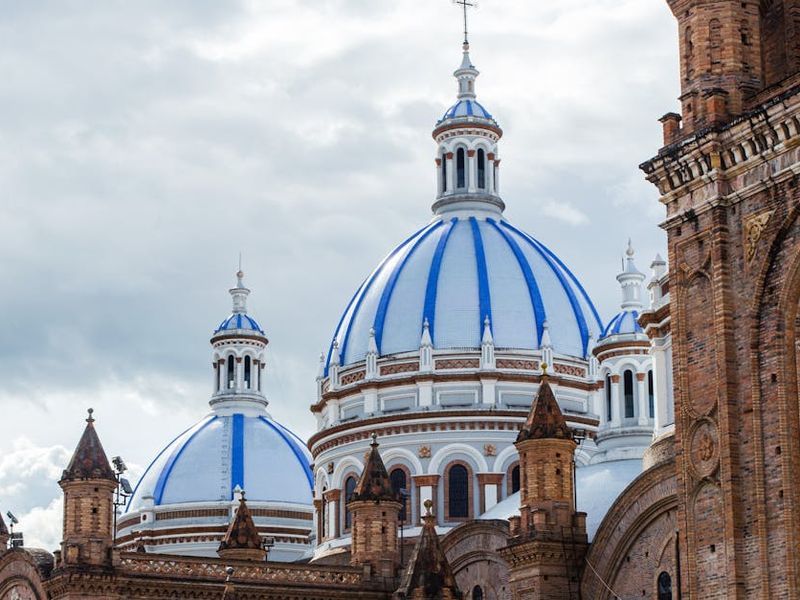
The historic center is the beating heart for cafés, casual restaurants, and refined dining. This area is ideal for a relaxed dinner after sightseeing—many restaurants here offer outdoor seating with a view of the cathedral and lighted plazas.
Calle Larga and the Tomebamba River
Calle Larga is a lively corridor lined with cafes, ice cream shops, and bakeries. Walk along the Tomebamba for riverside dining with local families and expats. This stretch is great for coffee, desserts, and casual plates.
Mercados and Fonda Belts
For authentic, budget-friendly meals, head to Mercado 10 de Agosto and small cluster fondas (family eateries) around the market. These are the best places to find hearty almuerzos and traditional dishes prepared daily.
Turi and El Barranco
Turi offers panoramic views and a few hilltop restaurants that pair scenic sunsets with relaxed dining. Nearby El Barranco has some hidden gems and wine bars frequented by locals—perfect for a low-key evening.
Specialty Dining: Vegetarian, Vegan, and Gluten-Free Options
Cuenca’s growing expat community has pushed more restaurants to include vegetarian and vegan options. Many cafés offer milk alternatives, grain bowls, and veggie empanadas; international restaurants often list gluten-free choices. When in doubt, ask for “sin carne” (without meat) or “sin gluten” and be prepared to point out ingredients in Spanish.
Street Food and Snacks You Can’t Miss
Fast, cheap and delicious—street food in Cuenca is a delight if you follow a few basic safety tips (choose busy stalls, watch items cooked to order, avoid uncooked salads at unknown street vendors).
- Empanadas de viento: light, fried empanadas dusted with sugar—great with coffee.
- Humitas: steamed corn cakes wrapped in husk—sweet or savory.
- Choclo con queso: toasted corn on the cob with fresh cheese sold near parque zones.
How to Choose Where to Eat—Practical Tips
With countless options, use these strategies to pick a memorable meal:
Look for Crowds
Busy markets and crowded almuerzo shops usually signal freshness and popular flavors. If a spot is packed with local workers at midday, it’s often a safe bet.
Ask a Local
Neighbors, shopkeepers, and hotel staff can recommend lesser-known comedores with the best value and authenticity. Ask in Spanish for the “mejor hornado” or “dónde comen los locales.”
Consider the Occasion
Reserve special dinners for restaurants near the river or in refurbished colonial houses; save casual, wallet-friendly feasts for mercados and neighborhood comedores.
Sample One-Day Food Itinerary in Cuenca
Here’s a practical way to eat your way through a single day in the city:
- Breakfast: Start at a Calle Larga panadería with pan de yuca and a strong Americano.
- Morning snack: Walk past the riverside and grab a cholado or fresh fruit cup at a kiosk.
- Lunch: Hunt down an almuerzo near Mercado 10 de Agosto—soup, main course, drink and dessert included.
- Afternoon: Visit a specialty coffee shop to sample local roast varieties and a slice of tres leches.
- Dinner: Reserve a table at a chef-driven bistro for modern presentations of Andean ingredients; end the evening at a rooftop bar.
Safety, Payment, and Etiquette
Cuenca is generally safe for dining out, but a few practical notes help the meal go smoothly:
- Currency: Ecuador uses the U.S. dollar. Carry small bills for mercados and tips.
- Tipping: A 10% service charge sometimes appears on the bill; if not, 5–10% is appreciated for good service.
- Reservations: Book ahead for evening dining in popular spots, especially on weekends.
- Language: Basic Spanish phrases improve interaction—“la cuenta, por favor” (the bill, please) and “¿qué recomienda?” (what do you recommend?).
Drinks: Coffee, Beer, and Local Specialties
Cuenca has a lively coffee culture—look for small roasteries and cafes serving beans from Loja, Zamora and the highlands. Craft beer has grown too; microbreweries and taprooms offer seasonal ales and IPAs. Traditional beverages include:
- Colada morada: a spiced purple corn drink served at festivals but sometimes found in markets.
- Horchata lojana: herbal infusions sold at some markets.
- Fresh fruit juices: ubiquitous and affordable—try chirimoya or taxo (banana passionfruit).
Final Tips for Getting the Most Out of Cuenca’s Food Scene
Keep exploring beyond the guidebooks and strike a balance between markets, street food, and curated restaurants. Stay curious: ask for the day’s special, try a new fruit, or accept an invitation to a family-run comedor. The best meals in Cuenca often come with a story—of an old recipe, a seasonal harvest, or a neighborhood tradition.
With a small wallet or a generous appetite, this city rewards the adventurous diner: abundant fresh produce, centuries-old recipes and inventive chefs reinterpreting local ingredients. Pack comfortable walking shoes, brush up on a few Spanish phrases, and get ready to savor Cuenca—one bowl, one hornado, one cafe con leche at a time.