
Table of Contents
Why regular dental check-ups matter — especially if you live in Cuenca
Dental check-ups are more than just teeth cleaning. For people living in Cuenca, regular visits protect oral health, detect disease early, and help avoid costly, invasive treatments later. The combination of local dietary habits, access to affordable private care, and a robust network of modern clinics makes preventive dentistry an achievable and smart choice for expats and long-term residents.
How often should you see a dentist?
Standard advice for most adults is a check-up and professional cleaning every six months. That schedule works if you have healthy gums and no ongoing problems. However, individual needs vary:
- Every 3–4 months: If you have periodontal disease, frequent cleanings help control infection and slow progression.
- Every 4–6 months: People with heavy plaque buildup, smokers, or those with diabetes often need more frequent visits.
- Every 12 months: Some very low-risk patients with excellent home care and consistent checks may be cleared for annual visits, but this is less common.
What happens during a routine check-up in Cuenca?
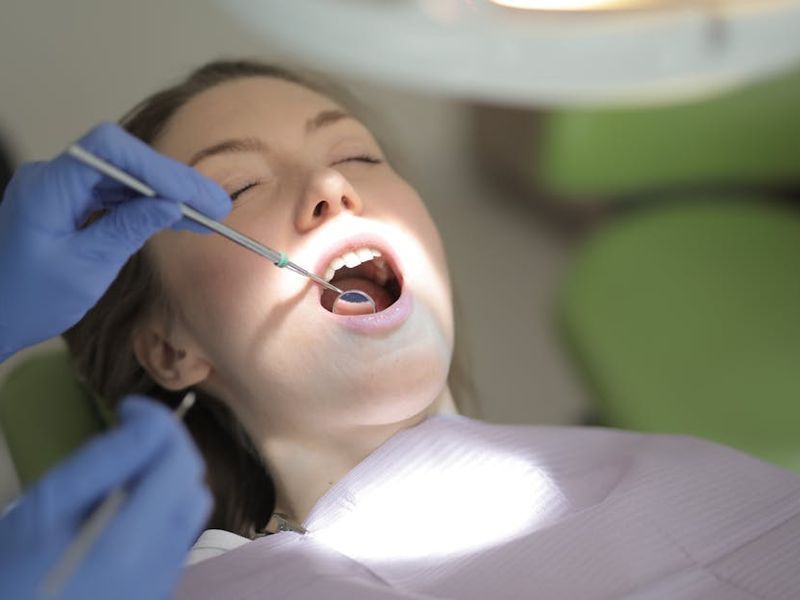
A typical session at a modern Cuenca clinic includes several predictable steps: history review, oral cancer screening, gum exam, professional scaling and polishing (cleaning), and dental X-rays when indicated. Many clinics now use digital X-rays and intraoral cameras for clearer imaging and faster results. If the dentist spots issues, they will discuss treatment options, which may range from a simple filling to root canal therapy or referral to a periodontist or oral surgeon.
Useful tip:
Bring a list of medications and your dental history, including any implants, crowns, or previous surgeries. This helps the clinician plan care and avoid surprises.
Signs you shouldn’t wait for your next scheduled visit
Don’t wait for the six-month appointment if any of these occur:
- Persistent toothache or sensitivity to hot/cold
- Swelling, drainage, or a bad taste in the mouth
- Bleeding gums during brushing or flossing
- Loose teeth or new gaps forming
- Chronic bad breath that doesn’t improve with brushing
- Sores in the mouth that don’t heal within two weeks
Types of dental services you’ll find in Cuenca
Cuenca’s dental market offers a wide spectrum—from basic preventive care to specialized restorative and cosmetic procedures. Here are common services and what to expect:
- Preventive care: Cleanings (hygiene), fluoride treatments, sealants for children, and oral hygiene instruction.
- Restorative care: Fillings, crowns, bridges, and root canals. Many clinics provide ceramic and zirconia options for crowns.
- Periodontal therapy: Deep cleanings (scaling and root planing), periodontal maintenance, and referrals for gum surgery if required.
- Prosthodontics and dentures: Full or partial dentures, implant-supported overdentures, and repairs.
- Implants and oral surgery: Implants, extractions (including wisdom teeth), bone grafting, and sinus lifts in more advanced clinics.
- Cosmetic dentistry: Whitening, veneers, smile design, and orthodontics (braces and clear aligners).
Cost expectations and budgeting tips for expats
One of the reasons Cuenca attracts expats is the affordability of private dental care compared with North America or Western Europe. Procedures often cost significantly less, but prices vary by clinic, materials used, and whether specialists are involved.
Practical tips for budgeting:
- Ask for a written treatment plan with itemized pricing before proceeding. Many clinics provide this free after an initial exam.
- Compare materials — for example, all-ceramic crowns cost more than metal-ceramic options but look more natural.
- Request a phased plan. If you need extensive work, dentists can often prioritize the most urgent treatments and spread procedures over months.
- Check whether your Ecuadorian health coverage (IESS) or private international insurance provides any coverage in Cuenca. Policies vary widely, and some insurances limit coverage for implant or cosmetic work.
Finding the right dentist in Cuenca
Choosing a dentist is both practical and personal. Here are steps that make the search easier and safer:
- Ask other expats: Expat Facebook groups and local meetups in Cuenca are excellent sources of personal recommendations and warnings.
- Visit clinics in person: Walk through to check cleanliness, ask about sterilization protocols, and see the waiting area and equipment.
- Language comfort: Many dentists in Cuenca speak some English, but not all. If you are not fluent in Spanish, ask ahead whether the dentist or staff speak English, or bring a bilingual friend.
- Check qualifications: Dentists in Ecuador are regulated and must hold national credentials. Many will also list postgraduate courses or international training on their websites or clinic brochures.
- Look for digital imaging: Digital X-rays and CBCT scans improve diagnostics. A clinic that invests in modern equipment may offer more predictable outcomes.
- Read reviews and request before/after photos: Before and after images can show the dentist’s skill, especially for cosmetic and restorative work.
Using public insurance and private coverage in Ecuador
Long-term residents who contribute to IESS (Ecuador’s social security system) may be eligible for some dental services through public programs. Coverage levels and wait times vary and often focus on basic restorative care and extractions. Many expats prefer private clinics for shorter wait times and broader service offerings.
If you have international or travel insurance, check whether dental accidents or urgent care are covered during your stay. Routine dentistry is often excluded from travel policies, so read policy terms carefully.
Dental tourism: planning a multi-procedure stay in Cuenca
Cuenca can be an attractive base for dental tourism because of high-quality clinics and lower prices. If you plan extensive work (e.g., implants, multiple crowns), consider these steps:
- Book an initial consultation: Many clinics offer remote consultations where you send photos and X-rays first.
- Allow time for healing: Implant placements and extractions require weeks to months for healing. Plan at least two visits if possible — one for surgical work and a later trip for restorations.
- Factor in follow-up care: Ask how the clinic manages complications and if they provide emergency contact numbers for after-hours care.
- Check accreditations and references: Request references from past international patients and ask about sterilization standards and warranty policies on restorative work.
Everyday habits that support dental health in Cuenca
Good home care is the foundation of fewer dental visits and reduced treatment costs. Because local diets can include sugary baked goods and fruit juices that are popular in Cuenca, small daily choices make a big difference:
- Brush twice daily with fluoride toothpaste and a soft-bristled brush.
- Floss or use interdental brushes once daily to remove plaque between teeth.
- Rinse with a fluoride mouthwash if your dentist recommends it.
- Limit frequent snacking on sugary foods; enjoy desserts as part of meals rather than constant grazing.
- Drink water between meals — if your water source lacks fluoridation, ask your dentist about topical fluoride options.
Special populations: children, pregnant women, and seniors
Children: Start dental visits by the eruption of the first tooth or by their first birthday. Pediatric dental care in Cuenca includes fluoride varnishes and guidance on reducing baby bottle decay.
Pregnant women: Routine cleaning and urgent dental care are safe during pregnancy. Pregnant patients should inform the dentist about their trimester and any complications. Elective procedures are often deferred until after delivery, but untreated infections should be managed promptly.
Seniors: Older adults often face dry mouth from medications, root decay, and the need for denture adjustments. Regular checks help maintain comfort, nutrition, and overall health.
Aftercare and what to expect following treatment
Simple procedures like fillings and cleanings usually have minimal downtime. After extractions or implant surgery expect some swelling and discomfort for a few days; follow your dentist’s instructions on pain management and oral hygiene. Keep emergency contact numbers handy — many clinics in Cuenca provide an on-call dentist for urgent post-op issues.
Final considerations for expats thinking about dental care in Cuenca
For expats, Cuenca offers a balanced mix of affordability, quality, and convenience for dental care. Make check-ups a priority: preventive visits save money and protect your overall health. Whether you need a routine cleaning, a cosmetic upgrade, or complex restorative work, take time to choose a clinic that communicates clearly, follows strict infection-control standards, and provides a written treatment plan.
Start with a basic dental exam within the first few months of moving to Cuenca. It’s the best way to get a baseline, meet a dentist, and build a relationship that will make future care smoother and less stressful. Regular dental visits are an investment in comfort, confidence, and long-term savings — and in Cuenca, they’re more accessible than many expats expect.
Quick checklist before your first Cuenca dental visit:
- Bring ID, a list of medications, and any recent dental X-rays if available.
- Confirm language support or bring a translator if needed.
- Ask for a written treatment plan and price estimate.
- Verify after-hours emergency procedures and contact info.
- Check whether the clinic accepts IESS or your insurance.
Making regular dental check-ups part of your life in Cuenca will pay off with better health, fewer emergencies, and a brighter smile. Schedule your first visit today — and enjoy the peace of mind that comes with proactive care.