
Table of Contents
Why Cuenca? The appeal for American retirees
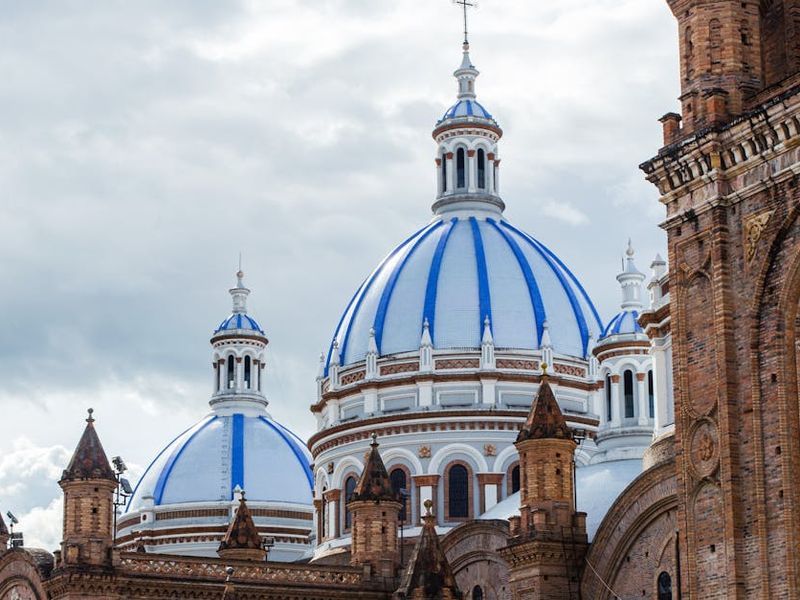
Cuenca often tops lists of best places to retire abroad for good reasons: a pleasant year-round climate, walkable historic neighborhoods, a lively cultural scene, and lower costs compared with most U.S. cities. The city’s colonial architecture, wide plazas and markets, plus mountains and national parks nearby make it easy to exchange a high-cost, high-stress life for a quieter, active retirement.
For American retirees on Social Security, Cuenca’s dollarized economy removes the headache of currency conversion. Add a strong expat community, reliable services, and accessible healthcare and you can see why many choose to relocate here.
How Social Security fits into retirement in Cuenca
Social Security is a common primary income source for retirees considering Ecuador. The U.S. Social Security Administration allows eligible beneficiaries to receive payments while living abroad in many countries, and Ecuador uses the U.S. dollar, which simplifies budgeting. That said, there are practical steps you should take before and after you move to ensure smooth benefit delivery and tax compliance.
Key actions include keeping your U.S. bank account active (or setting up direct deposit to a bank that accepts international deposits), informing the SSA of your new address, and retaining a U.S. mailing address if necessary for certain paperwork. If you plan to open local bank accounts once you have residency, bring key identity and residency documents, and expect some institutions to require a local ID (cédula).
Understanding residency: the pensionado visa and alternatives
Most retirees use Ecuador’s pensionado (pensioner) visa category. It’s designed for people with a stable life pension, such as U.S. Social Security. Exact income thresholds and document requirements can change, so start by contacting an Ecuadorian consulate or an immigration attorney. Typical steps include getting an official pension letter showing your monthly benefit, having key documents apostilled, and submitting criminal background checks.
After arriving in Ecuador on a temporary visa or tourist entry, many retirees complete their formal residency paperwork while living in the country—this includes medical exams, background checks, and obtaining a cédula. It’s a good idea to schedule a few consults with local immigration specialists; they can speed up the process and help translate and legalize documents.
Budgeting: realistic monthly cost examples
Your cost of living depends on lifestyle, housing choice, and how much you travel. Here are three sample monthly budget scenarios to give a realistic picture (all amounts in U.S. dollars):
- Modest but comfortable: $1,000–$1,400 — shared utilities, a modest one-bedroom apartment outside the historic center, local groceries, public transport, modest dining out.
- Comfortable middle: $1,400–$2,200 — nicer one- or two-bedroom apartment in a central neighborhood, private health insurance, routine dining out and cultural activities, occasional domestic travel.
- Upscale: $2,200+ — larger modern apartment or house, frequent dining and international travel, private club memberships, premium healthcare plans.
Typical monthly line items to include:
- Rent: $250–$700+ (neighborhood and modern conveniences drive price)
- Utilities (electricity, gas, water): $30–$80
- Internet and TV: $25–$45
- Groceries: $150–$350
- Local health insurance or out-of-pocket medical: $50–$300
- Transportation (buses, occasional taxis): $20–$80
Where to live in Cuenca: neighborhoods and housing tips
Cuenca’s neighborhoods suit different tastes. The historic center (El Centro) is ideal if you want to walk to markets, plazas, and cultural venues. Expect charming colonial buildings, cobblestone streets, and tourist activity. El Vergel and San Blas offer quieter residential streets still close to downtown.
If you prefer modern apartments, look toward the areas along the Tomebamba River or near new shopping centers and international schools. For hilltop views and cooler air, the Turi area provides scenic panoramas and a more suburban feel. Many retirees find a balance by renting short-term first, then touring a few neighborhoods over several weeks before committing to a longer lease or purchase.
Practical housing tips: check heating options (Cuenca can be chilly at night), inspect hot water systems, and ask about water pressure if the building shares a cistern. Working with a reputable real estate agent or a bilingual property manager can save time and avoid language-related misunderstandings.
Healthcare: quality, cost, and how to access it
Cuenca has a mix of public hospitals and private clinics. Many expats report excellent care at a fraction of U.S. costs, especially for dentistry, eye surgery, and elective procedures. Routine doctor visits and prescriptions are inexpensive; private insurance plans are available and affordable compared with U.S. premiums.
Before you need care, identify local providers and clinics that accept international patients or have English-speaking staff. For chronic conditions, bring a full medical history and any prescriptions in original containers. Consider maintaining supplemental private insurance for major procedures or for coverage while you’re completing residency paperwork.
Taxes, banking, and managing U.S. financial obligations
Two tax systems matter: U.S. federal taxes and Ecuadorian taxes if you become a tax resident. U.S. citizens must still file U.S. tax returns on worldwide income; Social Security benefit taxability depends on total income. Ecuador taxes residents on worldwide income, but rules vary and exemptions or thresholds may apply to pension income. Work with a cross-border tax advisor familiar with U.S.-Ecuador matters to plan and avoid surprises.
Banking is straightforward because Ecuador uses the U.S. dollar. Initially, you can keep Social Security deposited into a U.S. account and use debit cards or international transfers. Once you have residency and a cédula, opening a local bank account becomes easier and is useful for paying utilities and renting. Digital transfer services like Wise or international wire transfers are common tools for moving money efficiently.
Language, community, and staying engaged
Spanish will make life much easier. Basic survival Spanish for shopping and medical visits is essential; many expats take evening classes or join language exchange meetups. Volunteering, joining a local club, or attending cultural events helps build friendships quickly. Cuenca has active expat groups, English-language churches, and meetup organizations focused on everything from hiking to history.
Immerse yourself in local life: visit farmers’ markets, attend municipal festivals, and explore artisan shops. Small efforts—learning day-to-day phrases, reading local newspapers, and greeting vendors—pay big social dividends.
Safety, transportation, and everyday living
Cuenca is considered one of Ecuador’s safer cities, but petty theft and opportunistic crime happen—especially in markets and tourist areas. Use common-sense precautions: avoid displaying large amounts of cash, keep valuables secure, use hotel safes, and be cautious at night in unfamiliar areas.
Public transportation is cheap and reliable; buses cover most of the city. Taxis and app-based ride services are affordable for late-night travel. Walking is a pleasure in the historic center but be aware that cobblestones and uneven sidewalks can slow mobility—choose footwear accordingly.
Practical relocation checklist
- Visit Cuenca multiple times and stay several weeks to test neighborhoods and climate.
- Request an official letter from Social Security confirming your monthly benefit; get it apostilled if needed for visa purposes.
- Gather identity documents and background checks; translate and legalize as required for the Ecuadorian consulate.
- Plan for shipping or downsizing—get quotes from international movers and review customs/import rules for household goods.
- Arrange finances: keep a U.S. bank account open, study international transfer options, and prepare documentation for opening local accounts after residency.
- Book a private health check-up and bring copies of medical records and prescriptions.
- Start learning Spanish—enroll in a class or download language apps to build a foundation before arrival.
- Check with the SSA about receiving benefits abroad and register with the U.S. embassy or consulate as a precaution.
Common challenges and how to avoid them
Adjusting to a new bureaucracy, language barriers, and different consumer standards can frustrate newcomers. Avoid these common mistakes: moving without testing the city first, underestimating paperwork time for visas, and failing to factor in the cost of private health insurance or international travel back to the U.S. for family visits.
Have contingency plans—maintain emergency funds, keep digital copies of important documents, and have a trusted bilingual contact or lawyer to help navigate tricky situations.
Final thoughts: Is Cuenca the right choice?
Cuenca is an attractive option for Americans who want a quieter, culturally rich life on a fixed retirement income. Social Security can support a comfortable lifestyle here if you plan carefully: understand visa rules, set up resilient financial systems, secure suitable health coverage, and prepare for cultural adjustment.
Take time to research, visit, and speak with other expats who have made the move. With realistic planning and an openness to change, retiring to Cuenca on Social Security can be a fulfilling and financially sustainable chapter of your life.
Resources to consult
Before you make big decisions, consult:
- Your Social Security office for international payment rules.
- An Ecuadorian consulate or immigration attorney for visa and residency requirements.
- A cross-border tax professional for U.S. and Ecuador tax obligations.
- Expat groups and local community forums for current, on-the-ground advice.
Armed with accurate information and realistic expectations, your Cuenca retirement can be a richly rewarding new beginning.