
Table of Contents
Introduction: A Retirement Decision That Improves More Than Your Smile
For many retirees, dental work becomes both a health necessity and a financial puzzle. Cuenca, Ecuador has quietly emerged as one of the world’s leading dental-tourism destinations — especially for dental implants, crowns and veneers. Between 60%–70% savings, highly trained clinicians, short wait times and a beautiful, restorative city to recover in, Cuenca offers a combination few other places can match. If you’re considering replacing missing teeth, upgrading old restorations or choosing veneers, here’s why retirees from the U.S., Canada and Europe are flying to Cuenca for care.
The Compelling Economics: Real Savings for Real Results
Cost is the most immediate and persuasive reason retirees choose Cuenca for major dental work. Typical price comparisons are stark:
- Single dental implant: U.S./Canada pricing commonly ranges from $3,000–$6,000; in Cuenca the same procedure often costs 60%–70% less, commonly between $800–$1,800 depending on materials and brand.
- Porcelain crowns: In North America crowns can run $800–$1,800 each; in Cuenca you can find high-quality crowns for $250–$600.
- Veneers: What might cost $900–$2,500 in the U.S. can often be done for $200–$700 in Cuenca.
For retirees on fixed incomes, those savings mean the difference between living with compromised chewing ability and having a durable, attractive smile — often allowing for multiple implants or full-arch restorations that would be prohibitive at home.
World-Class Clinicians and Advanced Training
Cuenca’s dentists are not “cheap” so much as they’re highly skilled professionals offering better value. Many dentists in Cuenca graduated from top Ecuadorian schools such as Universidad del Azuay and Universidad de Cuenca and have completed postgraduate training in implantology, prosthodontics and esthetic dentistry. It’s also common to find clinicians who pursued fellowships or continuing education in the U.S., Europe or Argentina.
Retirees benefit from this level of expertise because complex treatments like implants and full-mouth rehabilitations require careful planning, accurate diagnostics and meticulous restorative work. Local labs in Cuenca are accustomed to working with international standards, and many clinics maintain partnerships with recognized implant manufacturers and use premium materials like zirconia and high-grade titanium.
Modern Clinics, Cutting-Edge Technology
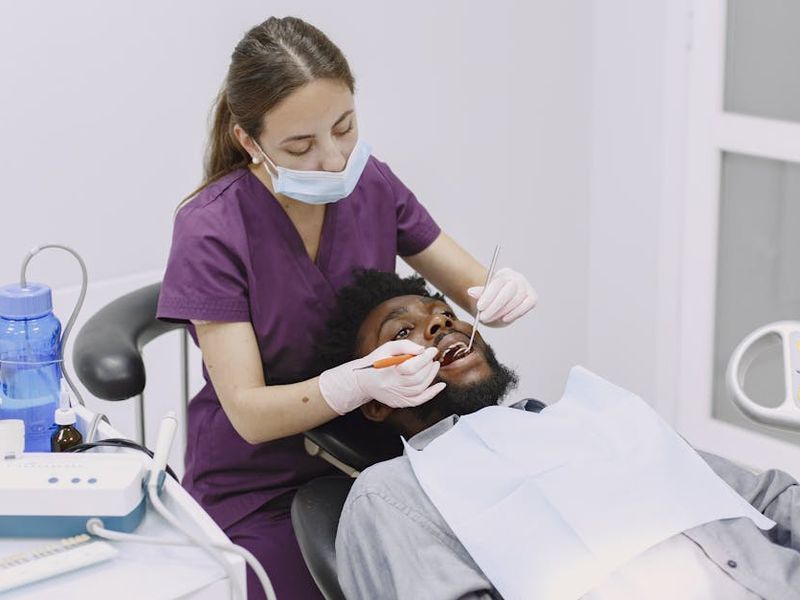
Another common misconception is that lower cost equals lower quality. In Cuenca you’ll find clinics outfitted with state-of-the-art technology — digital X-rays, 3D CBCT imaging, intraoral scanners, CAD/CAM milling systems and sterilization protocols that match international norms. This technology enables precise implant placement, custom abutment design and same-day provisional crowns in certain cases, shortening treatment times and improving outcomes.
Many clinics also offer in-house labs or fast-turnaround partners, which means final crowns and bridges can be fabricated promptly without losing accuracy. For retirees, that reduces the number of return visits and streamlines the recovery period.
Short Wait Times and Efficient Treatment Plans
Unlike long waiting lists for specialists in some countries, dental clinics in Cuenca typically schedule consultations and procedures within days or weeks. This efficiency is a major advantage for people who want to combine treatment with a single trip. Most clinics create customized timelines that allow for diagnostics (such as CBCT scans and planning), surgery (implant placement), healing intervals and final restorations — all while advising on when you can travel and enjoy the city.
Many practices also provide digital treatment plans and virtual consultations before you travel, so you arrive with a clear understanding of costs, timelines and expected outcomes.
Personalized, One-on-One Patient Care
Retirees consistently mention the level of individualized attention in Cuenca clinics. Smaller practices and family-run clinics foster continuity: you’ll meet the same dentist for consultation, surgery and restoration. That kind of relationship improves communication and reduces anxiety, especially for patients who need complex care or sedation dentistry.
English-speaking staff and dental tourism coordinators are common. Coordinators handle logistics like airport pick-up, accommodation arrangements, translation and local transportation, making the experience stress-free for international patients.
Cuenca: A Beautiful, Healing Place to Recover
Recovery matters. Cuenca’s mild, spring-like climate (elevation about 2,560 meters / 8,400 feet) provides gentle weather for healing — not too hot, not too cold — with clean air and a tranquil, walkable historic center. Parque Calderón, charming plazas, riverwalks and botanical gardens offer easy, low-impact places to pass the time during healing intervals between surgery and final restorations.
Neighborhoods like the Historic Center (Centro Histórico), near Parque Calderón, or quieter residential areas such as El Vergel provide short walks to cafes, pharmacies and clinics. Good, affordable lodging options abound: short-term rentals, boutique hotels and apartment-style accommodations near clinics mean you can rest comfortably and remain close to follow-up appointments.
Combine Dental Care with a Memorable Vacation
One of Cuenca’s most attractive features is that it’s more than a clinical destination; it’s a cultural experience. You can plan a dental vacation that mixes appointments with gentle sightseeing: explore the UNESCO-listed Centro Histórico, visit artisans in Chordeleg (famous for silver and jewelry), take a day trip to Cajas National Park for easy hikes, or enjoy local cuisine at outdoor mercados and cafes.
Retirees often schedule implants or multiple crowns in stages so they have recovery windows to explore. Many clinics will advise on when it’s safe to travel or hike after specific procedures, balancing healing with pleasure.
Practical Tips for Planning a Dental Trip to Cuenca
- Request an initial virtual consultation: Send X-rays, photos and your dental history so the clinic can propose a plan and estimate.
- Collect your dental records: Bring previous X-rays, implant records and any lab work to speed diagnosis.
- Ask for a detailed quote: Include materials, implant brand, anesthesia, provisional crowns and lab fees. Ensure taxes and follow-up visits are clear.
- Confirm accreditation and sterilization protocols: Ask about CBCT imaging, CAD/CAM technology and infection control practices.
- Plan your timeline: Many implant cases require a healing period of a few months. Discuss options like immediate-load implants or staged appointments to minimize travel.
- Arrange travel and insurance: Some travel insurance policies cover complications; verify what’s included and consider extended stays for healing.
- Budget for follow-up: Factor in local medications, checkups and a contingency fund for travel delays.
Logistics: Getting to and Moving Around Cuenca
Cuenca’s airport is Mariscal Lamar International Airport (CUE), with domestic links to Quito and Guayaquil. Many international patients fly into Quito or Guayaquil and take a short domestic flight or a scenic bus ride to Cuenca. Clinics commonly provide airport pickup and transfer services, and taxis and ride-hailing are inexpensive and reliable within the city.
Language is generally not a barrier: many dentists and coordinators speak English, and translation services are widely available. Pharmacies are plentiful and can quickly fill prescriptions like antibiotics, anti-inflammatories and pain medication that you’ll likely need after surgery.
Aftercare, Guarantees and Long-Term Value
Good clinics in Cuenca provide clear aftercare instructions, follow-up appointments and warranties on restorative work. Many clinics will offer to monitor healing remotely and schedule follow-ups at set intervals. If additional adjustments are needed, local visits are straightforward and affordable.
The long-term value is compelling. High-quality implants and well-made crowns can last for decades with proper care. When you factor cost savings, travel experiences, and the heightened quality of life from restored chewing function and confidence, the return on investment is substantial for retirees.
How to Choose the Right Clinic: A Checklist for Retirees
- Verify credentials: Degree, postgraduate training and memberships in dental associations.
- Request examples: Before-and-after photos of previous implant and crown cases, plus patient testimonials.
- Confirm materials and brands: Ask about implant systems, crown materials (zirconia, e.max, porcelain-fused-to-metal), and lab partnerships.
- Assess communication: Does the clinic offer English-speaking staff and pre-travel teleconsultations?
- Review sterilization and safety protocols: Ask about autoclaves, single-use items and cross-infection control.
- Clarify costs and warranties: Ensure transparency about what’s included and policies for complications or remakes.
Real Retiree Considerations: Health, Altitude and Comfort
Cuenca’s elevation (around 2,560 m / 8,400 ft) can affect some visitors. Most retirees adapt quickly, but it’s wise to discuss cardiovascular and respiratory conditions with your physician before travel. Clinics are accustomed to treating international patients and will tailor anesthesia and sedation plans to your health profile.
Comfort during recovery is important: choose lodging that’s roomy, quiet and close to your clinic so you can rest between appointments. Many retirees pick accommodations with kitchen facilities or housekeeping for a comfortable stay during multi-week treatment plans.
Conclusion: A Smart, Joyful Path to Better Dental Health
For retirees weighing the costs and hassles of dental implants, crowns or veneers, Cuenca presents a compelling and practical solution. The city combines dramatic savings (often 60%–70%), highly trained clinicians, modern clinics with advanced technology, and an enviable recovery environment — all while offering short wait times and highly personalized care. Whether you want a single implant or a full smile restoration, Cuenca lets you heal in a charming, culturally rich setting and return home with lasting results and happy memories. If improving your smile could also make your retirement more enjoyable, Cuenca is a destination worth exploring.
Next Steps
Start with a virtual consultation. Gather your dental records, compare detailed quotes, and schedule a timeline that fits your travel preferences. With clear planning, Cuenca can be not just a place to fix your teeth, but a memorable dental vacation that renews your health and your zest for life.