
Table of Contents
Why Cuenca is a Top Choice for a Dental Recovery Trip
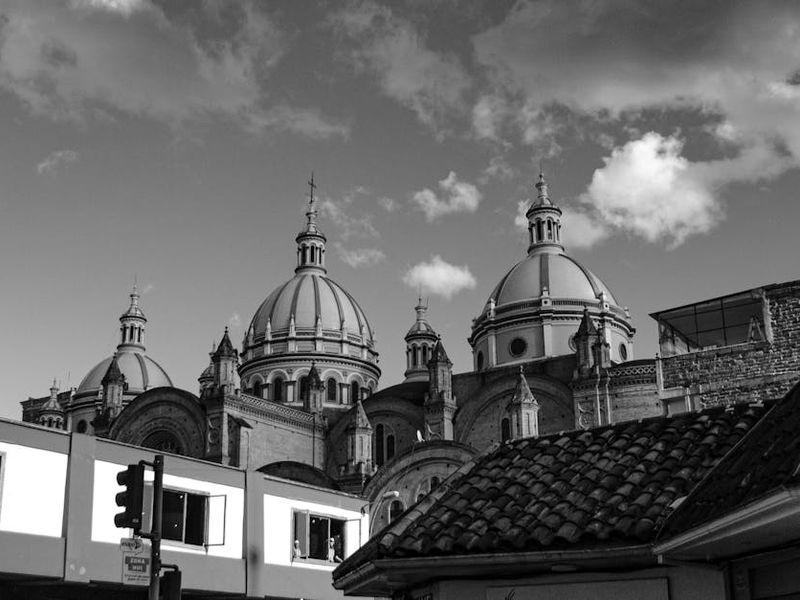
Cuenca, Ecuador blends skilled dental care with calm colonial charm, making it ideal for tourists who want effective treatment and a low-stress recovery. At 2,560 meters above sea level, the city offers spring-like weather year-round, walkable historic neighborhoods, and an active community of international patients and expats who can share firsthand tips.
How to Choose the Right Clinic from Afar
Start by collecting information 3 to 6 months before you travel. Ask clinics for detailed proposals that include diagnosis, treatment plan, materials, implant brands, laboratory turnaround times, sedation options, and a clear cost breakdown. Request before-and-after photos of similar cases and contact details of past international patients if available.
Key questions to ask:
- Which implant systems and crown materials are used?
- Is there access to CBCT and digital scanning on-site?
- How are sterility and infection-control protocols handled?
- Do they offer remote follow-up and emergency contact after I return home?
Understanding Treatment Timing and How It Affects Your Stay
Plan around the typical timelines. Simple procedures like cleanings, fillings, or single crowns may take 4 to 10 days, including lab work. Extractions and bone grafts often require 7 to 14 days of local recovery. Traditional implants usually have a healing phase of 3 to 6 months between placement and final crown, but many clinics in Cuenca offer immediate-load options or temporary prostheses so you can travel with functional teeth and return for the final restoration later.
Practical tip: If you want to minimize trips, coordinate with your dentist to have temporary restorations placed the same visit and schedule the final prosthesis for a return visit once healing is complete.
Sample 7-Day Itinerary for a Dental Vacation with Recovery in Mind
Here is a sample itinerary that balances appointments and gentle exploration.
- Day 1: Arrive, airport transfer to central accommodation, light walk along the Tomebamba River, early bedtime to recover from travel.
- Day 2: Initial consultation, x-rays or CBCT, treatment plan confirmation. Afternoon rest, herbal tea and light dinner.
- Day 3: Procedure day for fillings, crowns prep, or extractions. Rest, soft diet, and short stroll in Parque Calderon if energy allows.
- Day 4: Follow-up visit, lab pick-up scheduling, short cultural visit to a museum or artisan market.
- Day 5: If staying for implant placement, this could be the second procedure day. Otherwise enjoy a spa, gentle river promenade, or a cooking class focused on soft foods.
- Day 6: Post-op check, final temporary fit, free afternoon for relaxed sightseeing in El Centro or a sunset viewpoint in Turi.
- Day 7: Final check and departure, or extend stay for additional rest before traveling.
Where to Stay: Neighborhoods and Practical Tips
Choose accommodation near the historic center for short taxi rides or walking distance to many clinics. Popular areas include El Centro around Parque Calderon, the riverfront neighborhoods along the Tomebamba, or slightly elevated Turi for panoramic views. Short-term rentals and boutique hotels are plentiful and often provide airport pick-up and a more personalized touch than large chains.
Look for lodging with a comfortable chair and good lighting if you need to rest during the day. A kitchenette is useful for preparing soft meals, and washing facilities are helpful if you prefer to manage hygiene products yourself during healing.
Getting to Cuenca and Local Transportation
Cuenca International Airport, Mariscal La Mar, is a 20 to 30 minute drive from the city center. Taxis and private airport shuttles are a convenient choice; arrange a transfer through your hotel or book a licensed taxi at the airport. Ride-sharing apps are available but may be less consistent than in larger cities.
Within the city, taxis are inexpensive and short distances make walking pleasant, especially along the river promenades. If you have reduced mobility after a procedure, request a hotel close to the clinic and use taxis rather than public buses.
Aftercare and Recovery-Friendly Activities in Cuenca
Post-procedure, prioritize rest, hydration, and a soft diet. Typical recommendations include brothy soups, mashed potatoes, scrambled eggs, yogurt, avocado, smoothies, and soft cooked grains. Cuenca has excellent markets and cafés where you can order soft, fresh meals; look for local favorites like quinoa-based dishes and mild soups made with local vegetables.
Low-impact activities that support healing:
- Easy riverside walks along the Tomebamba
- Museum visits with plenty of seating, such as the Museo Pumapungo
- Cultural performances in Parque Calderon in the evenings
- Gentle botanical garden visits or short guided city tours
Avoid strenuous hikes, heavy lifting, and activities that could raise blood pressure or cause facial injury for at least a week after major procedures.
Health, Altitude, and Medication Considerations
Cuenca sits at a high elevation. Most visitors adapt easily, but the first 24 to 48 hours may include mild breathlessness, fatigue, or headaches. Stay well hydrated and avoid alcohol and tobacco while you recover, as both can negatively affect healing, especially after extractions or implants.
Bring a list of any current medications and dental x-rays. If you take prescription medications, ask your home provider for a short supply and a digital copy of your medical records. Confirm in advance whether the clinic will supply antibiotics or pain control and whether those medications comply with regulations in your home country should you need to carry prescriptions back.
Costs, Currency, and Money-Saving Tips
Ecuador uses the US dollar, so you will avoid currency exchange complexity. Dental care in Cuenca is typically 40 to 70 percent less expensive than in the US or Canada for comparable quality. Sample ranges to expect might include:
- Routine cleaning and check-up: $30 to $70
- Porcelain crown: $200 to $500
- Single dental implant: $700 to $1,500
- Full dentures: $300 to $1,000
Prices vary by materials, lab quality, and clinic reputation. Ask whether lab work is done locally or sent to a partner lab, as shipping times influence your stay length. Beware of quotes that seem unusually low without clear explanations of materials and procedures.
Language, Communication, and Practical Phrases
Spanish is the dominant language, and many clinics serving international patients have English-speaking staff. Still, learning a few dental phrases can help. Useful words include:
- Dolor = pain
- Extracción = extraction
- Implante = implant
- Corona = crown
- Enjuague = rinse
Use WhatsApp or email to exchange images and x-rays before travel. Request written post-op instructions in both Spanish and English so you can share them with family or your home dentist.
Safety, Documentation, and Insurance
Cuenca is considered safe for tourists, but take usual precautions: keep valuables out of sight, use hotel safes for passports, and carry photocopies rather than originals when possible. Register treatment receipts and ask for detailed invoices for warranty purposes and potential insurance reimbursement at home.
Check whether your travel insurance or health insurer will cover complications abroad. Some plans include emergency dental coverage; others require pre-authorization. Consider a short-term medical travel policy that covers complications related to procedures and emergency evacuation if you want extra reassurance.
Follow-Up Care After You Return Home
Arrange a follow-up plan with your Cuenca dentist before you leave. Many clinics offer remote check-ins via video call and can send high-resolution photos or progress notes to your local dentist. If you are undergoing staged implant work, coordinate timelines so your home dentist knows when the permanent prosthesis will be fitted.
Keep a small recovery kit for travel: antiseptic mouthwash, a soft-bristle toothbrush, sterile gauze, prescribed pain medication, and a list of emergency contacts at your Cuenca clinic. If swelling or unusual pain occurs after you return, contact the Cuenca clinic first for guidance; many will advise and guide initial steps remotely.
Final Checklist for a Smooth Dental Vacation
- Collect x-rays and medical records and send them to the clinic in advance.
- Obtain detailed written treatment plans and cost breakdowns.
- Book accommodation near your clinic and arrange airport transfers.
- Pack a recovery kit and copies of prescriptions and passport pages.
- Plan low-impact activities and allow extra days for rest after procedures.
- Confirm post-op follow-up and emergency protocols with your dentist.
Enjoy the City While You Heal
Cuenca is rich in parks, cafés, artisan markets, and museums ideally suited to rest and gentle exploration. Savor slow meals, stroll the riverfront, and let the citys relaxed pace aid your recovery. With thoughtful planning, your dental vacation can leave you with both a healthier smile and memories of a restful Ecuadorian getaway.
Ready to plan your trip? Start by requesting a consultation from 2 or 3 clinics, compare plans and materials, and map out a schedule that balances clinical needs with recovery time. A well-planned dental vacation in Cuenca can be efficient, affordable, and surprisingly restorative.
Adam Elliot Altholtz serves as the Administrator & Patient Coordinator of the “Smilehealth Ecuador Dental Clinic“, along with his fellow Expats’ beloved ‘Dr. No Pain‘, right here in Cuenca, Ecuador, and for purposes of discussing all your Dental needs and questions, is available virtually 24/7 on all 365 days of the year, including holidays. Adam proudly responds to ALL Expat patients from at least 7:00am to 9:00pm Ecuador time, again every single day of the year (and once more even on holidays), when you write to him by email at info@smilehealthecuador.com and also by inquiry submitted on the Dental Clinic’s fully detailed website of www.smilehealthecuador.com for you to visit any time, by day or night. Plus, you can reach Adam directly by WhatsApp at +593 98 392 9606 -or by his US phone number of 1‐(941)‐227‐0114, and the Dental Clinic’s Ecuador phone number for local Expats residing in Cuenca is 07‐410‐8745. ALWAYS, you will receive your full Dental Service in English (NEVER in Spanish), per you as an Expat either living in or desiring to visit Cuenca by your Dental Vacation, plus also to enjoy all of Ecuador’s wonders that are just waiting for you to come arouse and delight your senses.