
Table of Contents
Why Cuenca Is Ideal for a Dental Rest & Recovery Trip
Cuenca, Ecuador, blends modern dental services with the calming pace of a colonial city — an attractive combination for anyone who wants to get dental work done while actually being able to rest and recover. The city’s compact Centro Histórico, pleasant climate, and established expat support networks make it easy to find high-quality care and comfortable post-op conditions without long hospital waits or hectic travel schedules. Plus, with the U.S. dollar as the official currency, budgeting becomes simpler for North American visitors.
What Kind of Dental Work Suits a Dental Vacation?
Not every dental procedure fits a short trip, but many common treatments do. Good candidates for a dental vacation include:
- Routine care: cleanings, fillings, and whitening — often doable in a few appointments.
- Restorative work: crowns and bridges — typically requires 1–2 visits, depending on whether labs are on-site.
- Simple extractions and root canals — often completed in a single visit.
- Implants and major reconstructive work — possible, but anticipate staged visits with healing windows of weeks to months.
If your treatment will need multiple healing phases (for example, implants that need osseointegration), plan either an extended stay or split your care into two trips: the surgical phase first, then a return for final prosthetics. Many patients combine the surgical visit with a relaxing month in Cuenca and return later for final crowns.
Choosing the Right Clinic: What to Look For
Finding a reputable clinic is the cornerstone of a successful dental trip. Look for the following:
- Clear communication: A clinic that responds quickly to emails or WhatsApp and requests digital X-rays or photos before your arrival demonstrates organized care.
- Transparent pricing: Ask for an itemized estimate and compare it with at-home quotes. Many clinics will offer a written treatment plan and cost breakdown.
- Photos and reviews: Before-and-after photos and recent patient testimonials — especially from international patients — give a realistic picture of outcomes.
- Lab and materials: Ask if the clinic uses international-grade materials and whether they work with local or foreign dental labs.
- Languages: Many Cuenca dentists serving internationals speak good English, but if you don’t speak Spanish, confirm translation support in advance.
Use Facebook expat groups, Google Reviews, and threads in dental tourism forums to cross-check clinics. Ask for credentials, sterilization protocols, and warranties on work — a two-year guarantee for prosthetics is common in many clinics.
Timing Your Trip: How Long to Stay
Your required length of stay depends on the treatment:
- 1–7 days: cleanings, fillings, whitening, and single-visit crowns if the lab can turn them around quickly or the clinic uses same-day milling.
- 7–14 days: multiple fillings, root canals, and crowns where temporary restorations are placed while lab work is done.
- 2–8+ weeks: implant surgery followed by a healing period. For a single implant and final crown, you may need multiple visits over several months.
When in doubt, ask the clinic for a sample timeline. They should be able to indicate how many appointments are required and how long each healing stage takes.
Practical Travel Logistics: Getting There and Getting Around
Cuenca’s Mariscal La Mar Airport offers direct flights from Quito and Guayaquil and occasional international connections. You can also reach Cuenca by bus from Guayaquil in about 4–5 hours and from Quito in around 8–9 hours. Taxis from the airport to downtown are reasonable; expect a price in the low-to-mid tens of dollars depending on luggage and time of day.
Once in the city, the Centro Histórico is very walkable; many dental clinics are clustered near Parque Calderón and the surrounding streets. For longer trips, taxis and app-based ride services are widely available and inexpensive compared to North American prices. If your recovery requires avoiding stairs, request ground-floor accommodation or a place with an elevator.
Where to Stay: Comfort and Convenience for Recovery
Choosing the right neighborhood enhances recovery: stay within a 10–20 minute walk of the clinic if possible. Popular options include the historic center near Parque Calderón and quieter residential neighborhoods such as El Vecino and Yanuncay, which offer a slower pace while still being close to services.
- Look for accommodation with a kitchenette so you can prepare soft, nutritious meals during recovery.
- Prioritize places with comfortable seating and a reliable Wi‑Fi connection so you can communicate with your clinic and keep in touch with family.
- If noise sensitivity is an issue after treatment, ask for a unit that faces an inner courtyard rather than the street.
Packing List for a Dental Recovery Trip
Think beyond toothbrushes. Here’s a recovery-focused packing list:
- Prescription medications and copies of prescriptions
- Pain management: any over-the-counter meds you normally use and a small ice pack or cooling gel mask
- Soft-food staples: protein powders, instant soups, and resealable containers — though you can buy fresh supplies locally
- Extra pillow for sleeping upright if you have sinus-related dental work
- Portable charger and reliable phone with a local SIM or roaming plan for clinic communication
- Copy of dental records, panoramic X-rays, and photos — clinics often request these in advance
Eating and Recovery: What to Eat in Cuenca
Cuenca’s food scene is excellent for recovery when you know what to order. Traditional Ecuadorian fare includes many soft, nutritious options:
- Locro de papas: a warming potato and cheese soup that’s gentle on the mouth.
- Aji de pollo or shredded chicken stews served with rice — order without crusty bread when needed.
- Avocado and ripe bananas, both abundant and soft sources of calories.
- Yogurt, blended fruit smoothies, and eggs — great breakfast options when chewing is difficult.
If you prefer international foods, many cafés and grocery stores in Cuenca offer ready-made purees, soups, and soft meal options. Pharmacies and supermarkets are well stocked with nutritional supplements if your calorie intake is limited.
Safety, Insurance, and Legal Considerations
Cuenca is generally safe and expat-friendly, but take routine precautions: keep valuables secured, use licensed taxis or app-based services at night, and avoid poorly lit streets after dark. Before travel, check that your health insurance or travel insurance covers dental tourism-related complications. If it does not, consider purchasing a travel medical plan that includes emergency dental or surgical coverage.
Get a written copy of your treatment plan, materials used, and any warranty offered by the clinic. Also, request a copy of post-op instructions in English if needed, and ask for emergency contact details for after-hours problems.
What to Do While You Heal: Low-Key Activities in Cuenca
Dental recovery doesn’t mean you can’t enjoy Cuenca’s charms. Choose gentle activities that let you relax and keep motion to a minimum:
- Stroll through Centro Histórico and relax on benches around Parque Calderón.
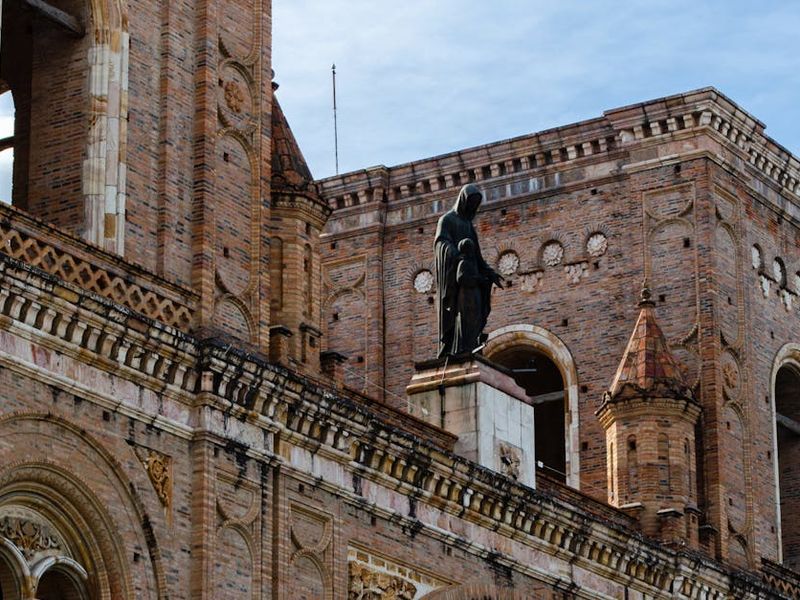
- Visit Museo Pumapungo or the decanted Catedral—short visits with plenty of seating.
- Take slow drives to Turi or El Cajas National Park for scenic vistas (avoid strenuous hikes right after oral surgery).
- Enjoy tea and soups at cozy cafés; Cuenca has many quiet spots perfect for reading while you recover.
Many expats recommend light cultural outings in the mornings when temperatures are cool, returning to your accommodation for longer rest periods in the afternoon.
Language Tips and Communication with Your Dental Team
Spanish is the primary language in Cuenca, though many clinics serving internationals have English-speaking staff. To make communication smooth:
- Send photos and X-rays before your trip — this saves time at the first consult.
- Use translation apps for simple phrases, but insist on an English-written treatment plan if your Spanish is limited.
- Keep all appointment confirmations and receipts to show at the clinic and for insurance requests back home.
Follow-Up Care and Returning Home
Before you leave Cuenca, schedule or confirm any necessary follow-up appointments. Ask your dentist to provide clear instructions for home care and to send copies of your records and digital X-rays by email. If you need a local dentist back home to perform part of the treatment later, ask for a letter of summary outlining what was done and materials used.
Many clinics are happy to consult remotely if a post-op question arises after you return. Make sure you have received emergency contact numbers and know where to go in Cuenca for urgent care if necessary during your stay.
Sample Itineraries
Short Trip: 5–7 Days
- Day 1: Arrival and initial consultation. Drop off X-rays and photos.
- Day 2: Cleaning, fillings, or whitening procedures.
- Day 3: Crown preparation or single-visit restorations if available.
- Day 4–6: Rest, light sightseeing, and follow-up check.
- Day 7: Departure with written aftercare instructions.
Extended Care: 3–6 Weeks (Implant Surgery + Healing)
- Week 1: Consult, implant surgery, and initial recovery. Rest at accommodation, short walks only.
- Week 2–3: Healing — low-key activities, local food, and follow-up checks as needed.
- Week 4: Final impressions and temporary restorations or planning for return visit for final crowns.
- Return visit: Final prostheses placement after osseointegration (often several months later).
Final Tips for a Smooth Dental Vacation
- Do your homework: vet clinics thoroughly and ask for references from other international patients.
- Plan recovery time into your travel dates; avoid rushing back to work the day after a major procedure.
- Bring or request written guarantees and an itemized invoice for customs or insurance purposes.
- Use Cuenca’s expat networks to find trusted translators, drivers, and supportive services if needed.
- Stay flexible: sometimes labs or supply issues cause small delays — leave a buffer in your schedule.
Combining dental care with a restful stay in Cuenca can be a restorative experience when planned carefully. With modest travel times, plenty of comfortable lodging options, and a friendly medical community, Cuenca makes it possible to get excellent treatment and enjoy a peaceful recovery in one of Ecuador’s most beautiful cities.