
Table of Contents
Why Cuenca is a Great Choice for Dental Tourism
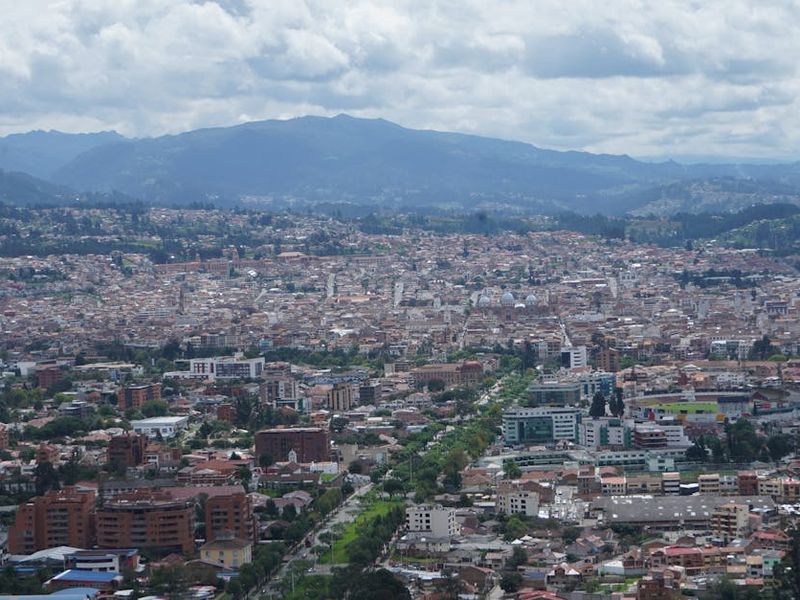
Cuenca blends high-quality dentistry with a calm, walkable historic center—making it ideal for combining treatment with rest. The city’s dental clinics have invested in modern technology, many with English-speaking coordinators and in-house labs. Add an inviting climate, affordable accommodations, and a lively expat community, and you’ve got the ingredients for a stress-free dental vacation.
How Much Time Should You Plan?
How long to stay depends on the procedure. For routine work, cleanings, fillings, or a single crown, a long weekend (3–5 days) may be enough. For more extensive work—multiple crowns, implants, or complex restorative care—plan for 10–21 days to allow for sinuses, swelling, adjustments and follow-ups. Implants often require staged visits: surgery, a short recovery period, and a later visit for the final crown unless the clinic offers immediate-load options.
Budgeting: What to Expect Cost-Wise
Dental care in Cuenca is typically 40–70% less expensive than in the U.S. or Canada, depending on the material and the clinic. As a rough guide: porcelain crowns often cost a fraction of home prices, and implants frequently show the biggest savings. Request detailed quotes that itemize materials, lab fees, x-rays, and follow-up visits. Ask about warranties and what is included if complications arise while you’re back home.
Payment and Insurance Tips
Cuenca uses the U.S. dollar, which simplifies payments. Most clinics accept cash, credit cards, and bank transfers. Before you go, check whether your dental insurance will cover part of the cost or reimburse you later. Consider travel insurance that covers medical/dental complications, and keep all receipts and clinical records for claims.
Choosing the Right Clinic and Dentist
Start by searching clinic websites, Google reviews, Facebook groups for expats in Cuenca, and forums dedicated to dental tourism. Look for:
- Clear breakdowns of procedures and materials
- Digital x-ray and 3D imaging (CBCT) or CAD/CAM capability
- On-site or partnered dental labs for quicker turnaround
- English-speaking staff or patient coordinators
- Before-and-after photos and patient testimonials
Also verify licensing by asking about membership in the Colegio de Odontólogos provincial association. Ask the clinic directly for a timeline and what they do if follow-up care is required once you return home.
Preparing Before You Leave Home
Plan ahead to speed up the visit and avoid surprises. A practical pre-trip checklist:
- Get a full set of recent dental records and X-rays to send to the clinic in advance.
- Bring copies of medical history, medications, and allergy information.
- Arrange time off work and leave buffer days for recovery and unexpected delays.
- Confirm visa/entry requirements—many nationalities receive 90 days visa-free in Ecuador, but check current rules.
- Book accommodations near your clinic when possible—El Centro and San Sebastián are both convenient and walkable.
Transportation and Arrival Logistics
Cuenca’s Mariscal La Mar (CUE) airport is only about 30–45 minutes from the city center. Arrange a pre-booked transfer through your clinic or hotel to avoid haggling for taxis. In the city, taxis are inexpensive; agree on the fare if the taxi doesn’t use a meter. Many clinics also arrange pickups and drop-offs for patients, which can be especially helpful after sedation or surgery.
Where to Stay: Neighborhoods and Accommodation Tips
Choose lodging based on walkability and quiet. El Centro—near Parque Calderón and the Cathedral—puts you close to cafés, pharmacies, and cultural attractions. San Sebastián is quieter, with narrow cobblestone streets and artisan shops. Look for short-term rentals or small hotels that offer a kitchenette; cooking simple meals can make recovery easier than dining out every meal. Request a ground-floor room or elevator if mobility will be limited during recovery.
What to Do While You Recover: Gentle Activities
Rest is the priority, but Cuenca offers plenty of low-impact activities for quiet recovery days:
- Leisurely strolls along the Tomebamba River and the old stone bridges—great for light walking and fresh air.
- Museum visits at Museo Pumapungo or the Museo de las Conceptas—indoors and relaxing.
- People-watching and coffee at a café on Calle Larga or the Plaza Calderón.
- Shopping for Panama hats, ceramics from Gualaceo, or hand-woven goods from Chordeleg—short day trips or local artisan markets.
- Guided birdwatching or a gentle day trip to Cajas National Park for panoramic views; choose easy trails and acclimatize to the altitude first.
Avoid strenuous hikes or high-intensity activities for at least a few days after oral surgery or IV sedation. Altitude (Cuenca sits around 2,560 meters / ~8,400 feet) can amplify fatigue, so give yourself an extra day to acclimatize if you fly in from lower elevations.
Eating, Drinking, and Prescription Advice While Recovering
After dental work you’ll likely need soft, non-irritating foods. Pack or buy foods like yogurt, smoothies, blended soups, mashed potatoes, scrambled eggs, and ripe avocado. Ecuadorian markets are great for fresh fruit that’s easy to blend into smoothies. Avoid hot, spicy, or crunchy foods for several days as directed by your dentist.
Local pharmacies are plentiful and well-stocked. Clinics will typically prescribe antibiotics and pain medication if needed. Common over-the-counter options like acetaminophen and ibuprofen are available, but always follow your dentist’s instructions. If you need prescription medication, most major medications are easy to obtain, but bring your prescription or a copy of the post-op instructions in Spanish if possible.
Language and Communication Tips
Spanish is the primary language in Cuenca, but many dental clinics that cater to international patients offer English-speaking staff. Still, learning a few basic Spanish phrases—especially related to pain, allergies, and medications—can be useful. Bring a translation app or a printed copy of your medical history and a list of medications in Spanish to speed communication.
Safety, Health, and Practical Considerations
Cuenca is considered one of Ecuador’s safer cities, but petty theft can occur—use common-sense precautions like not leaving valuables visible in parked cars, using hotel safes, and staying aware of your surroundings. For health, stay hydrated, protect yourself from sun at higher altitudes, and avoid alcohol for at least 24-48 hours after sedation or certain medications. If you have chronic health conditions or take blood thinners, discuss these with both your home physician and the dentist before scheduling surgery.
Follow-Up Care and What to Do Once You Get Home
Before you leave Cuenca, confirm follow-up steps and what to do in case of complications. Many clinics will send digital records and x-rays. Some provide short-term warranties, but you should understand how they handle alarms after you return home—will they work with your local dentist if something fails? If you need adjustments after the final prosthetic placement, plan for either follow-up travel or coordination with a local provider.
Packing List for a Smooth Recovery
- Passport, printed dental quotes, and clinic contact details
- Digital copies of dental records and X-rays
- Comfortable clothes, a travel pillow, and sunglasses
- Soft-food staples or recipes, and any special medications
- Translator app or phrasebook, and a list of medical terms in Spanish
- Sunscreen and a reusable water bottle
Sample Trip Timeline
Here are two sample itineraries to help you budget time:
- Short Procedure (Crown or Veneer): Day 1—Arrival and light activities. Day 2—Consultation, impressions, or CAD/CAM crown. Day 3—Fitting, adjustments, and departure.
- Major Procedure (Multiple Crowns/Implants): Week 1—Arrival, consultation, and surgery. Week 2—Follow-ups, suture removal, and temporary restorations. Weeks 6–12—Final prosthetics depending on healing timeline (may require a return visit or coordinate with a local dentist for final seating).
Final Tips to Make Your Dental Vacation Relaxing
Book clinics with transparent pricing and good communication. Build in buffer days for recovery, and choose low-key activities that let you soak in the city’s charm without over-exertion. Keep records of everything, and don’t be shy about asking your clinic for English translations of post-op care, prescriptions, and receipts. With sensible planning, a dental trip to Cuenca can give you quality care, a restful environment, and a chance to explore one of Ecuador’s most beautiful colonial cities.
Ready to plan? Start by requesting quotes from 2–3 clinics, compare technologies and timelines, and then book accommodations in a calm neighborhood near the services you’ll need. Your new smile and a relaxed vacation could be closer than you think.