
Table of Contents
Why Cuenca Is a Smart Choice for a Dental Vacation
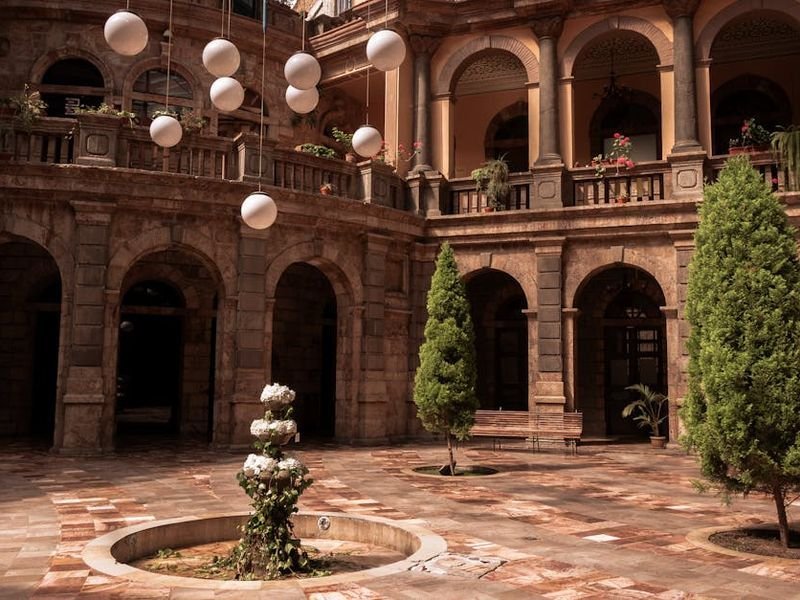
Cuenca blends high-quality dental care with a relaxed, walkable colonial city ideal for recovery. As a UNESCO World Heritage site at about 2,560 meters (8,400 ft) above sea level, it offers mild temperatures, a thriving expat community, and an abundance of clinics and dental labs that serve international patients. Clinics here often offer modern technology, English-speaking staff, and prices that can be a fraction of what you’d pay in the U.S., Canada, or Europe.
Common Dental Procedures Visitors Seek
Visitors most commonly travel to Cuenca for crowns, implants, veneers, root canals, dentures, and deep cleanings. Typical price ranges (estimates) you might expect in Cuenca are:
- Routine cleaning: $30–$70
- Root canal (single-rooted tooth): $80–$200
- Porcelain crown: $200–$450
- Dental implant (single): $800–$1,800
- Veneers: $250–$600 each
Prices vary by clinic, materials used, and whether treatment includes lab fees or temporary restorations. Always ask for a written estimate and what warranties or follow-up services are included.
How to Choose a Clinic in Cuenca
Start by requesting before-and-after photos, patient references, and digital copies of the dentist’s credentials. Important red flags to avoid: pressure to commit immediately, lack of clear post-op instructions, or clinics that won’t share detailed cost breakdowns.
Key questions to ask
- Do you have an English-speaking coordinator who assists international patients?
- Where will the lab work be done — in-house or outsourced?
- What brand and type of materials (zirconia, porcelain fused to metal, etc.) do you use?
- Is there a written warranty and what does it cover?
- What is your protocol for complications and emergency care after hours?
Scheduling and Preparing Before You Leave Home
Timing is everything. Send your dental records and X-rays to the clinic several weeks before travel so they can plan. For complicated work like implants, be aware implants may require multiple visits and a healing period of months. Some clinics offer immediate-load implants or all-on-4 solutions — these shorten trips but need careful vetting.
Book your appointment at least 6–8 weeks in advance during high season, and 2–3 months for complex cases. Bring digital copies of your entire dental history and any imaging, as well as a list of current medications and allergies.
Travel Logistics: Airport, Transport, and Currency
Fly into Mariscal Lamar Airport (CUE), about a 20–40 minute drive from Cuenca’s historic center depending on traffic. Taxis and ride-share services operate to and from the airport; agree on a fare or use a reputable app when possible. Once in the city, the historic center (El Centro) is compact and walkable, but taxis are inexpensive for longer trips.
Ecuador uses the U.S. dollar, so budgeting is straightforward. Many clinics accept cash (USD), credit cards, or bank transfers. Confirm accepted payment methods and whether you’ll need to pay a deposit to reserve your appointment.
Where to Stay: Neighborhoods That Help You Rest
Select accommodation with recovery in mind: proximity to your clinic, quiet streets, and comfortable beds. Popular areas include:
- Historic Center (El Centro) — close to major clinics, restaurants, and attractions; best if you want to walk everywhere.
- Parque Calderón area — centralized and convenient, with many hotels and easy access to transportation.
- Turi and Mirador areas — quieter neighborhoods with scenic views, ideal if you prefer calm evenings during recovery.
Look for places with a fridge (for soft foods), kettle for hot water, and a comfortable chair to sit upright if recommended after surgery.
Recovery-Friendly Activities in Cuenca
Keep sightseeing low-impact during recovery. Cuenca is perfect for gentle exploration:
- Stroll around Parque Calderón and the Cathedral — short walks on paved paths with benches.
- Visit Museo Pumapungo — indoor exhibits with accessible routes and plenty of seating.
- Take a casual market trip to Mercado 10 de Agosto for fresh fruit and soft local foods like humitas and potato soups.
- Drive to the Turi Mirador for panoramic views — a great short excursion that avoids long walks.
- Consider a mellow day trip to nearby artisanal towns like Chordeleg (famous for jewelry) or Gualaceo for textiles — both are easy bus rides from Cuenca.
Avoid strenuous hikes, heavy lifting, and high-intensity excursions for at least a week following major oral surgery.
Food and Nutrition: What to Eat After Dental Work
Cuenca’s cuisine includes many gentle options ideal for post-op healing. Order or prepare:
- Warm soups like locro de papas (potato soup) or chicken soup
- Mashes and purees — mashed potatoes, avocado, and soft cooked plantains (maduros)
- Yogurt, smoothies, and fresh fruit purées (avoid seeds and berries that can irritate)
- Soft proteins like scrambled eggs, shredded chicken, and tender fish
Avoid crunchy, spicy, or very hot foods for a week or longer depending on your dentist’s guidance. Many local markets and supermarkets sell ready-made soups and liquified foods perfect for recovery.
Packing Checklist for a Dental Vacation
Pack thoughtfully to make recovery comfortable:
- Copies of all dental records, X-rays, and your treatment plan
- Prescription medications you take regularly and a short supply of over-the-counter pain relievers like ibuprofen or acetaminophen (check allowed quantities for travel)
- Chlorhexidine mouthwash, salt packets for rinses, and oral gels
- Soft-bristled toothbrush and any special oral care tools recommended by your dentist
- Small ice packs, reusable water bottle, and a travel pillow to sleep propped up if necessary
- Comfortable clothing and slippers for resting in your room
Managing Pain, Antibiotics, and Aftercare
Ensure your clinic provides a clear aftercare plan including medications, how to handle swelling and bleeding, and emergency contact details. Common guidance includes cold compresses for the first 48 hours, switching to warm compresses after 48–72 hours, sleeping with your head elevated for the first few nights, and avoiding smoking and alcohol to promote healing.
If antibiotics are prescribed, complete the full course. If you develop fever, severe uncontrolled bleeding, or swelling that worsens after 72 hours, contact your dentist immediately or visit a local emergency clinic.
Altitude and Healing: What to Expect in Cuenca
The city sits at high altitude. Most people adapt quickly, but the first 24–48 hours may bring mild shortness of breath or fatigue. Stay hydrated, move slowly, and avoid strenuous activity. If you have serious heart or lung conditions, consult your physician before travel as altitude can affect anesthesia and healing in some cases.
Language, Communication, and Local Support
Many clinics catering to international patients have English-speaking coordinators, but basic Spanish will make your stay smoother. Learn key phrases or arrange a translator for appointments. The local expat community — active on social media and in meetups — can be a great resource for recommendations, logistics, and even recovery companionship.
Insurance, Guarantees, and Legal Considerations
Verify whether your health or travel insurance covers dental care abroad. Many international policies exclude elective dental work, so check carefully. Get guarantees in writing and clarify return-visit policies. Ask whether the clinic provides a treatment warranty and what follow-up care includes if complications arise after you return home.
Practical Safety Tips
- Use registered taxis or reputable ride-share apps and avoid unmetered rides late at night.
- Keep receipts for payments and ask for itemized invoices for insurance reimbursement or tax records.
- Register your travel with your embassy or consulate if recommended, and keep emergency numbers handy.
- Bring a backup credit card and some cash in small denominations; many smaller pharmacies accept only cash.
Sample 7-Day Itinerary for a Crown or Veneer Trip
Below is a typical timeline for a 7–10 day trip when getting crowns or veneers that require two visits:
- Day 1: Arrive, settle in, light walk around Parque Calderón to acclimate.
- Day 2: Initial consultation, impressions, and any preliminary work (cleaning, extractions if needed).
- Day 3: Rest day — relax, follow soft-food diet; local museum or quiet market trip.
- Day 4: Try-in of temporary restorations if applicable; adjustments made as needed.
- Day 5: Free day to relax, light sightseeing — Mirador de Turi or a gentle craft-market visit.
- Day 6: Final placement of crowns/veneers; quick follow-up to ensure fit and bite are correct.
- Day 7: Rest and depart or extend stay for an extra check-up.
For implants, expect longer timelines with a possible second trip unless your clinic offers immediate-loading solutions. Discuss timelines and contingency plans for long-term treatments.
Follow-Up Care After Returning Home
Ask your Cuenca dentist to send a detailed summary of your treatment, including materials used and follow-up recommendations, to share with your local dentist. Schedule a follow-up appointment at home within the timeline your dentist recommends to monitor healing and integration of restorations.
Final Thoughts: Combining Care with Calm
A dental vacation in Cuenca can be an efficient and restorative experience when planned carefully. Prioritize clinics that provide clarity, written guarantees, and robust aftercare. Choose restful accommodations, plan low-impact sightseeing, and arm yourself with a practical packing list and travel insurance. With the right preparation, you can return home with a healthier smile and memories of a gentle, charming Ecuadorian city.
Ready to start planning? Gather your dental records, compare clinics carefully, and book your consultation — Cuenca awaits with quality care and a soothing colonial backdrop for your recovery.