
Table of Contents
Why Choose Cuenca for a Dental Vacation?
Cuenca blends high-quality dental care with a relaxed Andean ambience, making it a top pick for travelers who want to combine medical treatment with a gentle holiday. The city’s clinics increasingly meet international standards, English-speaking staff are common, and the cost of care is often 40–70% lower than in North America or Europe. Add colonial streets, riverside promenades, and easy access to nature, and you have a perfect setting to rest, recover, and explore.
Start with a Smart Plan: Before You Book
A successful dental vacation starts long before you land. Treat planning like any medical trip: research clinics, get remote consultations, and schedule follow-ups. Ask potential clinics for digital records review (X-rays, CT scans), a detailed treatment timeline, sample cases with before-and-after photos, and a written cost estimate including materials used.
Checklist for the pre-trip phase
- Request an online consultation and a clear treatment plan.
- Verify the clinic’s credentials, years of experience, and patient reviews.
- Ask about the implant systems, crown materials, and laboratory partners.
- Get a written quote that includes any follow-up visits or additional fees.
- Confirm language support—ask if an English-speaking coordinator is available.
Timing Your Trip: How Long Should You Stay?
Length of stay depends on the procedure. Simple work like cleanings, fillings, or single crowns often require 2–4 days. More involved treatments—such as multiple crowns, bone grafts, or conventional implant protocols—can mean staged visits over months. Many Cuenca clinics advertise accelerated options (for example, immediate-load implants), but discuss risks and alternatives thoroughly.
Practical rule: build in at least 3–5 days extra for appointments, initial healing, and to enjoy the city at a slow pace. If you expect sedation or IV anesthesia, plan a companion for the first 24–48 hours.
Choose the Right Neighborhood and Accommodation
Location matters when you’re recovering. Staying near the Historic Center (Centro Histórico) keeps you within short walking distance of clinics, pharmacies, and gentle sightseeing. The area around Parque Calderón and the Tomebamba River is especially convenient for restaurants and quiet plazas. Turi, a hillside lookout a short drive away, offers panoramic views if you prefer a quieter lodging with easy access to the city.
Accommodation tips for recovery
- Book a ground-floor room or a place with an elevator to avoid stairs after surgery.
- Choose an apartment or suite with a small kitchenette for soft-food preparation.
- Confirm fast Wi-Fi for telemedicine follow-ups with your dentist back home.
- Pick places close to a pharmacy and grocery store (Supermarkets and local markets are good for fresh fruit and soups).
Getting There and Getting Around
Cuenca is served by Mariscal Lamar Airport (CUE), about 20–30 minutes from the city center. Taxis and private transfers are the norm; a pre-booked airport pickup is worth the peace of mind after a long flight. If you’re arriving by bus from Quito or Guayaquil, choose a reputable company and consider breaking up travel days to reduce fatigue.
Within the city, taxis are affordable and plentiful—ask your hotel to call one if you prefer not to hail one on the street. Several ride-hailing apps and local taxi phone services operate here as well. For short recovery-friendly excursions, walk along the Tomebamba River or through the plazas—Cuenca is compact and very walkable.
Health, Altitude and Sedation: What to Know
Cuenca sits at roughly 2,560 meters (about 8,400 feet) above sea level. Altitude can affect anesthesia, swelling, and fatigue. Tell your dentist and anesthesiologist about any respiratory or cardiovascular conditions, and ask how altitude might influence sedation choices.
Common recommendations include staying well-hydrated, avoiding alcohol for 48–72 hours, and moving slowly when getting up to avoid lightheadedness. If you require IV sedation, make sure the clinic uses certified personnel and has clear post-op monitoring and transportation plans for you.
Post-Op Comfort: Foods, Care and Practical Recovery Tips
Comfortable recovery is part of the vacation. Bring or plan for soft, nourishing foods that won’t irritate sensitive mouths. Locally available options include mild soups, avocado, mashed potatoes, yogurts, smoothies, and puréed fruits. Traditional Cuencan and Ecuadorian dishes like locro de papa (a creamy potato soup) and llapingachos (potato patties) can be adjusted to softer textures—ask restaurants to prepare milder, less spicy versions.
Aftercare essentials
- Pack a small recovery kit: saline rinse, sugar-free ice pops, gauze, a cold pack, and a list of prescribed meds translated into Spanish if needed.
- Use cold compresses for the first 48 hours to reduce swelling; switch to warm compresses after 72 hours if directed.
- Avoid heavy lifting and strenuous exercise for at least a week, as elevated heart rate can increase bleeding and swelling—gentle walks are perfect.
- Brush carefully near treated areas and use any prescribed antimicrobial rinses according to instructions.
Pharmacies, Follow-Up and Emergency Care
Pharmacies (farmacias) in Cuenca are well stocked with routine antibiotics, analgesics, and over-the-counter remedies. National chains like Fybeca and local boticas can fill prescriptions quickly; however, controlled medications may require a prescription from the treating dentist or a local doctor. Ask your clinic to provide a written prescription and translated medicine names.
Before you travel, ask the clinic about emergency protocols and after-hours contact. Many clinics offer a postoperative hotline or an on-call dentist for complications. Keep digital copies of all treatment records and photos of the treated area to share with your home dentist if follow-up care is needed after you return.
Low-Stress Activities While You Recover
Your itinerary should emphasize rest and calm stimulation. Cuenca is perfect for low-impact activities that let you enjoy the city without jeopardizing healing.
- Stroll along the Tomebamba River and enjoy the bridges, gardens, and cafes that line it.
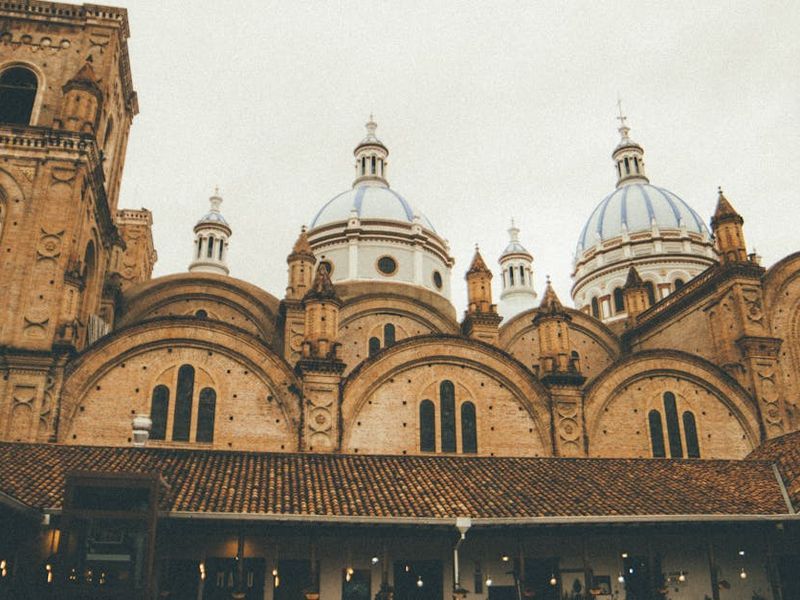
- Visit the Parque Calderón and admire the Catedral Nueva—short, sit-and-rest sightseeing works best.
- Explore local museums like Museo Pumapungo for short, seated exhibits.
- Browse artisan markets on Calle Larga or Turi for hats, textiles and souvenirs—great places to find crafts while staying seated and relaxed at market cafés.
- Take a gentle day trip to El Cajas National Park for light walks at designated viewpoints—avoid strenuous hiking for at least a week after surgery.
Money, Paperwork and Insurance
Ecuador uses the US dollar, which simplifies budgeting. Carry small bills for taxis and tips. Most clinics accept credit cards, but confirm any foreign transaction fees and whether the quoted price includes taxes and lab fees. Get a printed invoice and a copy of the treatment plan—these can help with reimbursement from travel or dental insurance at home.
Check your insurance policy before you go. Some plans may cover part of the cost or have out-of-network reimbursement plans. If you’re traveling from North America, confirm visa and entry rules—many nationalities receive tourist permissions on arrival, but check current requirements before booking.
Safety, Language and Local Etiquette
Cuenca is generally safe, especially in the tourist-friendly areas. Normal precautions apply: watch personal belongings in crowded areas, lock your accommodations, and use hotel-recommended taxis at night. A few Spanish phrases will go a long way—“por favor” (please), “gracias” (thank you), and “tengo cita con el dentista” (I have an appointment with the dentist) are useful starters. Many clinics provide English-speaking coordinators, but having a translation app on your phone is a smart backup.
Realistic Cost Expectations and Value
While prices vary by clinic, material, and procedure, you can expect significant savings compared with US/Canadian costs. For example, a single crown or a routine implant component might cost a fraction of North American prices; complex cases still require thorough quotes. Don’t choose solely on price—evaluate reputation, quality of materials, and post-op support. A slightly higher upfront cost can save complications and extra trips later.
Staying Connected: Telemedicine and Long-Term Care
Many Cuenca clinics offer post-op telemedicine check-ins or email follow-ups. Before you leave, set up remote appointments and request digital copies of radiographs and treatment notes. If further adjustments are needed, you’ll be better prepared to coordinate care with your local dentist. Also, ask about warranties—some clinics provide limited guarantees on work performed, with stipulations for yearly checkups.
Final Tips for a Calm, Successful Dental Retreat
- Plan downtime into your schedule—don’t book early flights the day after major procedures.
- Bring an extra phone charger and translation app for medication names and emergency phrases.
- Keep a travel companion for the first 24–48 hours after sedation or extensive procedures.
- Ask clinics for patient references or to connect you with former patients who had similar procedures.
- Remember: healing is the priority—Cuenca’s slow pace and welcoming culture are assets when you need to rest.
Cuenca offers a rare combination of professional dental care and an easygoing setting that encourages healing. With careful planning—clear communication with your clinic, smart logistics, and a recovery-friendly itinerary—you can return home with a healthier smile and a refreshed spirit. Whether you’re here for a crown, implant, or a full smile makeover, treat the trip as both a medical appointment and an opportunity to recover in one of Ecuador’s most charming cities.